Tire Check Near Me: Find Local Tire Pressure Help Today
Learn how to find reliable tire check near me services, what to expect during a tire pressure inspection, TPMS checks, and practical maintenance tips for safe, efficient tires.


To improve safety and savings, your best move is to locate a reputable tire check near you for a professional tire pressure inspection. A nearby service can verify inflation, TPMS function, tread condition, and leak checks, often offering quick diagnostics and free visual checks. According to Tire Pressure Tips, local shops that publish transparent PSI guidelines tend to be more reliable.
Why 'tire check near me' matters for safety and savings
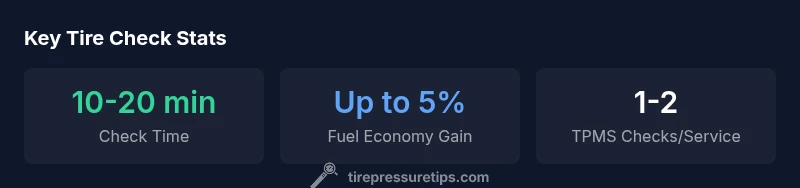
Regularly checking tire pressure and TPMS function is a foundational aspect of vehicle safety and efficiency. When you search for a tire check near me, you’re not just looking for a quick PSI reading—you’re seeking a comprehensive assessment that can prevent flats, reduce uneven wear, and optimize fuel economy. Local checks are particularly valuable when temperatures shift, since pressure can drop as it gets colder. According to Tire Pressure Tips, nearby shops that publish clear PSI guidelines and provide transparent results tend to deliver more consistent readings and better maintenance advice. A professional check often includes a visual inspection of tread depth, leak tests, and a quick look at wheel condition, all of which contribute to longer tire life and safer driving.
How to locate a reliable tire check near me
Finding a reliable tire check near you involves a mix of proximity, service scope, and reputation. Start with a local search and read recent customer feedback focusing on accuracy and transparency. Shortlist shops that advertise TPMS diagnostics, printed PSI targets, and clear documentation of readings. Don’t shy away from asking questions: what tests are included, what readings are expected, and whether the service is free or charged. If possible, choose places that provide a pre-service estimate and show the TPMS tool results. Tire Pressure Tips emphasizes looking for shops that combine a quick visual check with data-backed readings, so you know precisely what to do next.
What to expect during a professional tire check
A professional tire check typically begins with a cold tire pressure measurement using a calibrated gauge, compared against the vehicle’s recommended PSI on the door placard or owner’s manual. The technician will inspect tread depth, examine for uneven wear, and assess valve stems and TPMS sensors for faults or battery issues. They may perform a leak test around the bead and valve, and in some cases rotate tires or suggest a balancing check if vibrations are present. You should receive a written summary: current PSI, recommended adjustments, detected issues, and a suggested maintenance plan. Expect to leave with a clear understanding of what was checked and why it matters for safety and efficiency.
DIY checks you can perform before you visit
You can do several checks at home to maximize the value of a professional tire check. Start with cold tires and use a reliable tire pressure gauge to compare readings with the vehicle’s recommended PSI. Verify all four tires, including the spare if applicable, and note any noticeable discrepancies between corners. Inspect tires for bulges, cuts, embedded nails, and uneven wear patterns that could indicate alignment or suspension issues. If you notice rapid pressure loss, document dates and conditions so the service team can investigate leaks or valve problems quickly. Maintaining a simple log of PSI readings and vehicle load conditions helps you track changes over time.
How much should a tire check cost and what affects price
Prices for tire checks vary by service level and location. Many stations offer a complimentary basic PSI check, while a more thorough diagnostic with TPMS testing and tread analysis can range in several tiers. Expect affordable options at gas stations or quick-service shops, with diagnostic or TPMS-specific services typically priced higher at independent garages. Mobile tire checks, if available, may charge a convenience fee in addition to the diagnostic. When budgeting, consider factors such as whether the service includes TPMS calibration, the need for balancing, or recommendations for tire replacement. Always ask for a written estimate that outlines the exact tests performed and any follow-up costs.
Understanding TPMS and temperature effects on tire pressure
TPMS sensors monitor tire pressure and can be sensitive to temperature changes. Colder weather often reduces tire pressure, which may trigger alerts or the TPMS light. Conversely, hot days can increase PSI, potentially masking slow leaks or overinflation. A reputable tire check will verify current pressures, compare them to the recommended range, and consider recent temperature fluctuations when advising adjustments. If a sensor battery is nearing the end of life or a sensor is damaged, calibration or replacement may be necessary to maintain accurate readings. Understanding these dynamics helps you maintain consistent pressure and vehicle handling across seasons.
How to turn a visit into ongoing tire maintenance
Treat each tire check as part of an ongoing maintenance plan. Keep a PSI log and schedule checks at least once a month, plus before long trips or after hitting potholes or curbs. Ask the technician for a simple maintenance plan: when to rotate tires, how to monitor tread wear, and how to address TPMS warnings promptly. If your vehicle has run-flat tires or a complex TPMS, request a reminder system or a checklist you can follow at home. By coupling professional checks with routine at-home verification, you extend tire life, improve safety, and maximize fuel efficiency over time.
Final checklist before setting out
- Confirm service scope: PSI check, TPMS diagnostics, tread inspection, and leaks
- Bring the vehicle’s tire load specification and door placard for reference
- Note any recent speed bumps, potholes, or impacts that could affect wear
- Ask for a written report with readings and recommended actions
- Schedule next check to maintain consistent monitoring of tire health
Comparison of common tire check services
| Service Type | Typical Check Time | Estimated Cost Range |
|---|---|---|
| Gas station tire check | 5-15 minutes | "0-5"" dollars" |
| Independent shop tire check | 15-30 minutes | "10-40" dollars |
| Mobile tire service check | 20-45 minutes | "20-60" dollars |
Frequently Asked Questions
What is a tire check near me and why should I look for one?
A tire check near me is a local service that inspects inflation, TPMS function, tread wear, and leaks. It helps ensure safe operating pressure and early detection of issues.
A nearby tire check looks at PSI, TPMS, and tires to keep you safe and save money.
Are tire pressure checks free at gas stations?
Many gas stations offer free basic PSI checks, but not all provide TPMS diagnostics. Always confirm what’s included before you rely on the reading.
Yes, some gas stations offer free checks, but TPMS details vary.
How often should I check tire pressure?
Check monthly and before long trips; temperatures and load can affect PSI. Regular checks prevent defects from going unnoticed.
Check at least once a month and before trips.
Do TPMS sensors require special calibration during a tire check?
If tires are removed or rotated, TPMS calibration or reprogramming may be needed to keep readings accurate.
Sometimes recalibration is needed after changes.
What should I do if the TPMS warning light stays on after a tire check?
Recheck pressures, inspect for leaks, and consider TPMS sensor or battery faults. If unresolved, have a technician diagnose the system.
If it stays on, get it checked.
Can I perform tire pressure checks myself at home?
Yes. Use a reliable gauge, check cold tires, and follow the vehicle’s PSI specification on the placard.
Yes, you can do it at home with a gauge.
“Regular tire checks are a proactive safeguard against flats and poor fuel economy, especially with fluctuating temperatures and busy driving schedules.”
What to Remember
- Schedule regular tire checks to prevent flats and improve safety
- Know what tests are included (PSI, TPMS, tread, leaks)
- Ask for a written result and transparent pricing
- Combine checks with routine tire maintenance