Scooter tyre pressure 50cc: check, inflate, maintain
Learn how to check and adjust tyre pressure for a 50cc scooter. Practical steps, typical ranges, and maintenance tips from Tire Pressure Tips to improve safety and performance.


According to Tire Pressure Tips, maintaining correct scooter tyre pressure 50cc is vital for safe handling and efficiency. This guide explains how to check cold pressures, typical front/rear ranges, and how to adjust for load and weather. By following these steps, you’ll reduce wear, improve grip, and avoid pinch flats.
Why proper scooter tyre pressure matters on a 50cc
Maintaining the correct tyre pressure for a 50cc scooter isn't just about avoiding a flat tire. It affects handling, braking, fuel efficiency, and tire wear. When pressures are too low, the tire flexes more, overheating the sidewalls and increasing rolling resistance; when too high, the contact patch shrinks, reducing grip in corners and increasing the risk of a puncture. For scooter tyre pressure 50cc models, consistent, cold-pressure checks help you ride safely and get the most from your tires. In day-to-day riding, pressure influences warm-up grip, mile-per-mile efficiency, and even tire life. Always start with the manufacturer’s spec and verify with a quick look at the tire’s sidewall for the max PSI or bar. If you ride in hot weather or with a passenger, plan to adjust within a small, measured range. This section provides context and practical steps you can apply on every ride.
Typical pressure ranges for 50cc scooters
Most 50cc scooters use a compact, tubeless or tubed tire setup with practical cold pressures in the same range across many models. A common starting point is around 2.0-2.5 bar (29-36 psi) when the tires are cold. Front and rear pressures are often similar, but some scooters call for a slightly higher value on one wheel to balance handling. Always check the owner’s manual or the sticker on the swingarm or under the seat for the exact spec. If you frequently ride with a passenger or carry luggage, you may operate at the higher end of the range, or, if manufacturers allow, add a small amount within the safe limit. Tire Pressure Tips analysis shows that even small changes within the recommended range can impact grip and fuel economy, so small adjustments are worth testing on a campus commute or urban ride.
How to measure pressure accurately when tires are cold
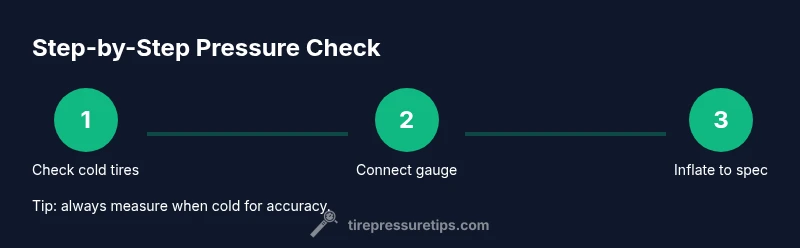
Start with cold tires — ideally after the scooter has sat for at least 3 hours or more. Remove the valve cap, attach a high-quality pressure gauge, and read the pressure straight from the tire’s valve stem. If you use an air pump, ensure the pump gauge is accurate or use a separate gauge to verify. Record the numbers for both front and rear to compare against your spec. If measurements are outside the recommended range, adjust with the pump in short increments and recheck. Do not inflate or deflate based on feel alone; cold readings are the only reliable indicator of true pressure.
Inflate, recheck, and adjust for load
After confirming your tires are cold and noting the current readings, inflate to the manufacturer’s recommended range. Recheck once the tires have cooled for a few minutes to account for any heat buildup during inflation. If you regularly carry a passenger or heavy cargo, consider adjusting within the allowed range and rechecking after a short ride. Keep in mind that the left and right sides may differ slightly due to tire construction or weight distribution; a small difference is normal, but avoid large imbalances. Regular checks help catch slow leaks or valve issues before they affect safety.
Maintenance routine and common mistakes
Make tyre pressure checks a routine part of your scooter maintenance. Check pressures monthly and before long trips, or after big temperature shifts. Common mistakes include relying on a hot-read gauge, using deflated air hoses without a gauge, and over-inflating to the maximum printed on the tire. Such practices can cause poor grip, increased wear, or a sudden puncture. Use the correct gauge, follow the spec, and repeat measurements twice to confirm accuracy.
Tools & Materials
- Tire pressure gauge (prefer digital or analog with precise PSI/bar)(Check cold tire pressure; gauge should read within ±1 psi or ±0.1 bar)
- Air pump or compressor compatible with scooter tires(Ensure the gauge on the pump is accurate; use a secure nozzle)
- Owner’s manual or manufacturer sticker for recommended pressure(Front vs rear PSI/bar; consider load adjustments)
- Valve caps or valve core tool(Useful for valve maintenance or replacing damaged caps)
- Marker or chalk (optional)(Mark tires to monitor wear or pressure changes over time)
Steps
Estimated time: 15-25 minutes
- 1
Gather tools and locate the spec
Assemble a reliable gauge, a pump, and the scooter’s official pressure spec from the manual or sticker. Confirm you’re working with cold tires to ensure accuracy.
Tip: Having a dedicated spot for tools speeds up future checks. - 2
Check current pressure on cold tires
Remove valve caps and attach the gauge. Read both front and rear pressures and compare them to the spec. If either value is off, plan the adjustment path.
Tip: Do not check after a ride; heat can raise the reading and mislead you. - 3
Inflate to the recommended range
If readings are low, add air in small increments and recheck. If readings are high, release air slowly and recheck. Aim to land within the published range.
Tip: Make small adjustments; large changes can overshoot the target. - 4
Recheck after a short ride
Drive the scooter for 5-10 minutes, then recheck the pressures after they have cooled again. This validates stability after heat buildup during riding.
Tip: If pressure drifts more than 0.2 bar (3 psi) in a short time, inspect for leaks. - 5
Document and monitor
Record front and rear pressures and note any changes with load or weather. Revisit the spec if you notice grip changes or uneven wear.
Tip: Keep notes in a small maintenance log for quick reference. - 6
Seasonal and load adjustments
Seasonal temperature shifts can alter tire pressure. When carrying heavier loads or riding in heat, adjust within the allowed range after testing.
Tip: Always verify after major temperature changes or new luggage setups.
Frequently Asked Questions
Should I check tire pressure when tires are hot or cold?
Always check tires cold. Hot tires give higher readings and can mask underinflation or overinflation.
Check the tires when they're cold for an accurate reading.
What if front and rear pressures are not equal?
Some slight differences are normal; follow the model’s spec for each wheel and adjust if the ride feels unbalanced.
A small difference is okay if it matches the spec; otherwise adjust one or both tires.
How often should I check scooter tyre pressure?
Check at least once a month and before long trips or seasonal changes. After significant weather shifts, recheck as well.
Check monthly and before long rides, especially after weather changes.
What do I do if I can’t find the manufacturer spec?
If the manual or sticker is missing, start with a safe middle-range pressure within the common 29-34 psi range and monitor handling; obtain official specs as soon as possible.
If you can’t find the spec, start in the mid-range and verify with a dealer or service manual.
Why does weather affect tire pressure?
Temperature changes cause air to contract or expand. Colder weather lowers pressure; hotter weather raises it. Regular checks help keep you within spec.
Temperature changes can move your tire pressure, so adjust after big seasonal shifts.
Watch Video
What to Remember
- Check cold pressures first each time.
- Follow the scooter’s official spec for front and rear.
- Use a proper gauge to ensure accuracy.
- Adjust for load and season within safe limits.
- Regular maintenance saves tire life and safety.