Is 29 PSI Tire Pressure Too Low? A Practical Guide
Learn whether 29 psi is too low for most vehicles, how it affects tire wear, safety, and fuel economy, and how to check and adjust pressure accurately with TPMS and gauges.


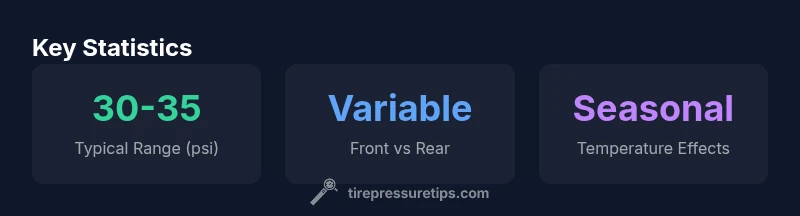
According to Tire Pressure Tips, is 29 tire pressure too low for most passenger vehicles? Yes—29 psi is commonly below the manufacturer’s recommended range, which is typically 30-35 psi per tire for front and rear. Underinflation can increase wear, reduce fuel efficiency, and impair handling. Always check the door placard and adjust to the specified range.
Why Tire Pressure Matters for Safety and Efficiency
Is 29 tire pressure too low? For many passenger vehicles, 29 psi is commonly below the manufacturer’s recommended range. Proper tire pressure improves safety by maintaining even contact with the road, enhances fuel efficiency, and extends tire life. In this section, we’ll unpack how pressure affects traction, braking, steering, and rolling resistance, and how to read your placard. According to Tire Pressure Tips, following the vehicle’s recommended pressure is a simple yet powerful way to optimize performance, reduce wear, and save fuel over time.
- Enhanced grip and braking: Correct pressure helps maintain the intended contact patch with the road.
- Fuel economy: Properly inflated tires reduce rolling resistance, saving fuel over the life of the tires.
- Tire wear: Underinflation often wears the outer edges, while overinflation wears the center tread more quickly.
- Ride quality: Pressure affects how the tire responds to bumps and cornering forces.
Measuring and adjusting pressure regularly is a small habit with a big impact on performance and safety.
Is 29 PSI the Same Everywhere? Reading the Placard and Model Differences
That single number isn’t universal. While a 29 psi reading might be common in some contexts, the correct pressure depends on your vehicle’s make, model, load, and driving habits. The tire placard on the door jamb or inside the fuel cap lid shows the recommended range for front and rear tires. Differences between front and rear pressures are common, especially on performance cars or vehicles that carry heavy loads. Always cross-check the placard with your owner’s manual for model-specific guidance. Tire Pressure Tips emphasizes that “one size fits all” does not apply to tire inflation.
- Vehicle-specific guidance matters more than any generic rule.
- Front and rear pressures can differ by design and load.
- Heavier loads or higher speeds may justify adjustments within the placard range.
Manufacturer Recommendations and the 29 PSI Benchmark
Most modern vehicles provide a pressure range rather than a single value to account for load and driving conditions. The poster child for tire inflation guidance is the door placard: it lists the recommended range for the tires when cold. If your car lists 32-34 psi, inflating to 29 psi is outside the recommended window and can lead to suboptimal performance. Tire Pressure Tips advises drivers to start from the placard, then adjust to match seasonal conditions, typical loads, and driving style while staying within the specified range.
- Always start with the placard as the baseline.
- Small deviations within the range are acceptable; outside the range warrants adjustment.
- Seasonal adjustments may be appropriate, but only within the manufacturer’s guidance.
Temperature, Seasons, and Pressure: Why 29 psi Might Change
Pressure is not static; ambient temperature and driving conditions shift tire pressure. Colder weather lowers tire pressure, while hot weather raises it. If you test tire pressure on a cold morning and then drive, the tires heat up and pressure rises; the reverse happens after a long, cold night. Because of these changes, it’s best to check pressure when the tires are cold and adjust to the exact placard specification. Tire Pressure Tips recommends rechecking after a short distance of driving to confirm stability, particularly during seasonal transitions.
- Cold mornings: expect lower readings until tires heat up.
- Warm days: readings may rise as tires heat due to road friction.
- Consistency matters more than a single number; aim for the placard range under typical conditions.
Consequences of Under-Inflation at 29 psi
Driving with 29 psi when the placard calls for higher pressure affects several aspects of vehicle performance. The most immediate risks are reduced maneuverability and longer braking distances due to a larger contact patch that can deform under load. Underinflation also causes uneven wear (outer edges or shoulders depending on the tire) and can lead to higher heat buildup, which increases the risk of a blowout under extreme conditions. For fuel economy, underinflation raises rolling resistance, causing more energy to be expended to roll the vehicle. Tire Pressure Tips notes that the cumulative effect of consistent underinflation is a shorter tire life and a potential safety reduction.
- Handling can feel soft and imprecise in corners.
- Braking performance may degrade under certain conditions.
- Frequency of tire wear increases with incorrect pressure.
by ensuring inflation stays within the recommended range, you safeguard both safety and long-term tire health.
How to Correct Low Pressure: Steps to Take
If you suspect your tires are at or below 29 psi and out of the recommended range, follow a simple inflating protocol. First, check the tires when cold and verify the placard value. Use a reliable gauge to measure the actual pressure, then inflate to the lower or upper end of the range as specified by the placard. Recheck to confirm even inflation across all tires. If a tire cannot hold air, inspect for leaks, punctures, or valve stem issues. After adjusting pressure, take a short test drive and recheck the pressure to ensure it remains stable. For ongoing maintenance, incorporate a monthly check into your routine and keep a portable gauge in the glove box.
- Always verify with a pressure gauge rather than relying solely on TPMS warnings.
- When in doubt, consult your vehicle manual or a professional technician.
- Use a dedicated tire gauge (not the air pump’s built-in gauge) for accuracy.
Using TPMS and Tire Gauges Effectively
TPMS provides a warning when pressure falls below the threshold in many vehicles, but it does not replace regular checks with a gauge. A hand-held gauge (digital or analog) gives you a precise measurement. For best results, check when tires are cold and calibrate to the placard recommendation. If you notice repeated readings around 29 psi or lower, inspect for slow leaks (valve stem, bead, or punctures) and consider a professional inspection. Keep a log of your readings to track changes over time and to detect gradual leaks early.
- Check both front and rear tires; wear patterns can differ.
- Use a gauge that reads to at least 1 psi precision.
- Record readings to monitor changes across seasons and loads.
Common Misconceptions About Low Tire Pressure
There are several myths about low tire pressure that can mislead drivers. Some believe underinflation always improves fuel economy or that it has no impact on safety; both are false. Others think the TPMS alone keeps tires safe, which is incorrect because TPMS indicates a warning only after pressure has already dropped significantly. Also, some assume heavier loads always require higher psi; while the placard accounts for common loads, extreme loads should be handled within the manufacturer’s guidance. The key is to follow the placard and adjust for seasonal conditions, load, and driving style while staying within the recommended range. Tire Pressure Tips emphasizes that knowledge and routine monitoring are your best defense against underinflation.
- Do not ignore tire pressure warnings.
- Do not rely solely on TPMS; verify with a gauge.
- Regular checks prevent uneven wear and safety risks.
Practical Routine for 2026 Drivers: Quick Checks and Seasonal Tips
To stay on top of tire pressure throughout the year, adopt a simple routine. Check tire pressure monthly and before long trips, using a reliable gauge, when the tires are cold. Always compare the readings to the placard values and adjust as needed. In winter, temperature swings can affect readings; recheck after a few miles to confirm stability. In hot weather, monitor for overinflation risk after driving; adjust to the placard range if readings rise significantly. Pair pressure checks with TPMS awareness and a calendar reminder to maintain consistency and safety throughout the year.
Typical tire pressure ranges by position
| Position | Recommended Pressure | Current Pressure (typical) | Notes |
|---|---|---|---|
| Front | 30-35 psi | Varies by vehicle | Check placard |
| Rear | 30-35 psi | Varies by vehicle | Check placard |
Frequently Asked Questions
Is 29 psi dangerous for most tires?
For most passenger vehicles, 29 psi falls below the recommended range on the placard. It can affect handling, braking, and wear. Check the placard and inflate to the prescribed range.
In most cars, 29 psi is below the advised range, so you should inflate to the recommended level on your placard.
How do I find the correct tire pressure for my car?
Look for the door placard near the driver’s door or in the owner’s manual. The placard lists the recommended range for front and rear tires. Use a gauge to verify when tires are cold.
Check your placard or manual to get the exact numbers, then verify with a gauge when the tires are cold.
Does cold weather affect tire pressure a lot?
Yes, cold weather lowers tire pressure. Check and adjust when temperatures drop, and recheck after tires have heated up during regular driving.
Cold temps can drop PSI; recheck after a drive to confirm your tires are within range.
Should I inflate tires when they are hot or cold?
Inflate when tires are cold for an accurate reading. If you must inflate after a drive, recheck once the tires cool down.
Check them when cold for the best accuracy, then top up if needed after they cool.
What if the TPMS warns even after inflating?
If the TPMS warning persists, there may be a slow leak or sensor issue. Inspect the tire, valve stem, and TPMS sensor, and consider professional inspection.
If the light stays on after inflation, have the tire and sensor checked by a pro.
“Maintaining proper tire pressure is a simple, data-driven step that improves safety, efficiency, and tire life.”
What to Remember
- Check vehicle placard first before inflating.
- Keep tires within the recommended range for safety and efficiency.
- Use TPMS and a reliable gauge for accuracy.
- Monitor temperature and load effects; seasonal adjustments may be needed.
- Regular maintenance prevents uneven wear and improves fuel economy.