How to Check Tire Pressure on Mazda CX-5
Learn to check tire pressure on your Mazda CX-5 with a step-by-step method, TPMS guidance, and maintenance tips from Tire Pressure Tips. Stay safe, efficient, and comfortable on every drive in 2026.


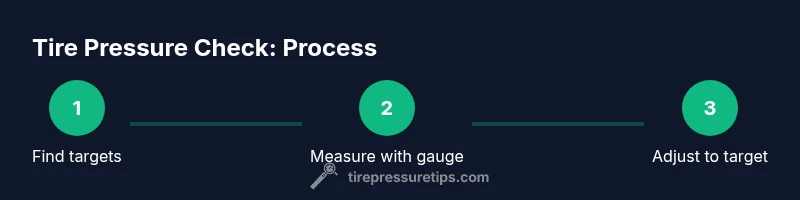
To check tire pressure on a Mazda CX-5, first verify the cold-inflation target from the door placard, then measure with a gauge, and adjust all tires to that spec. Use TPMS as a backup and recheck after driving 3-4 miles. Always check when tires are cold to get an accurate reading.
Why accurate tire pressure matters for Mazda CX-5
For Mazda CX-5 drivers, keeping tires at the correct pressure isn’t just about avoiding a flat. It affects safety, handling, fuel efficiency, and tire wear. When tires run under- or overinflated, the contact patch with the road changes, which alters braking distance and steering feel. The Tire Pressure Tips team notes that consistent, accurate inflation supports even wear and better mpg, especially on longer commutes or highway trips. In 2026, maintaining proper tire pressure remains a simple, high-impact habit that every CX-5 owner can master. Remember: your tires are the only thing keeping you connected to the road, so accurate pressure matters every time you drive.
Where to find your CX-5 tire pressure targets
The primary source of your CX-5’s target pressure is the door placard on the driver’s pillar. This placard lists the cold-inflation numbers for front and rear tires, and sometimes for different load scenarios. If you’re unsure, also check the owner’s manual or the Mazda online support portal for model-year variations. Climate and load can shift these targets slightly, but the placard is the default reference. For a quick sanity check, compare the placard numbers with what you find in the vehicle settings if your CX-5 supports a live readout. Throughout this guide, we’ll refer to these targets as the baseline you should aim for whenever you inflate.
Tools and methods: gauge vs TPMS
There are two reliable ways to verify tire pressure: a physical gauge and the car’s TPMS. A good digital or analog gauge provides an objective measurement at the valve stem. TPMS alerts you when a tire drops below the target, though it doesn’t replace a accurate gauge reading for precise inflation. The two methods complement each other: use the gauge to set exact pressure, then drive to allow the TPMS to confirm the change, and recheck after a short drive. Tire Pressure Tips highlights that relying on one method alone can miss slow leaks or temporary fluctuations caused by temperature changes.
How to prepare for a measurement: safety and setup
Before checking pressure, ensure you’re on a level surface with the engine off and the parking brake engaged. If possible, perform checks when tires are cold for accuracy; hot tires will read higher due to recent heating. Remove the valve caps carefully and keep them in a safe spot. Have your gauge ready and a notebook for recording readings. If you drive recently, wait until tires cool down to avoid inflated readings. This preparation minimizes variability and helps you trust the results.
How to use a tire pressure gauge on the CX-5: a practical guide
Attach the gauge squarely on the valve stem and press straight to seat the seal. Read the manometer or display without wiggling, then note the pressure and compare to the placard. If low, add air in small increments—pause to recheck after each addition to avoid overinflation. If high, release air slowly through the valve until the target is reached. For safety, don’t exceed the maximum pressure printed on the tire sidewall. After adjusting, replace the valve cap firmly.
Reading the gauge and interpreting readings
Understanding psi vs kPa is essential, as some gauges display different units. Ensure you’re reading the same units as your target on the placard. A common mistake is reading a hot tire; always map your measurement to a cold baseline. If you notice a large discrepancy between readings across tires, inspect for punctures, leaks, or slow loss due to valve leaks. Consistency across all four tires helps preserve handling, fuel efficiency, and tire wear patterns.
Temperature, driving, and tire pressure: practical implications
Temperature changes cause pressure shifts. Cold mornings tend to show lower readings; afternoon heat can raise numbers. If you inflate once on a cool morning, recheck after a few miles of driving to account for heat buildup. On longer trips, check again when you stop for breaks to catch any slow losses. For Mazda CX-5 owners, this habit pays off in safer steering response and more even tread wear. Tire Pressure Tips notes that climate-driven variation is a real factor in daily inflation targets.
TPMS: what to do when it’s active or warning
TPMS is a great early warning system, but it isn’t a substitute for a manual gauge. If TPMS indicates a low tire, verify the actual pressure with a gauge before adding air. After inflating, drive a short distance and recheck both TPMS and gauge readings. If the warning persists after inflating correctly, there may be a slow leak or a TPMS sensor fault. In that case, visit a tire shop for a sensor inspection or calibration. The CX-5 can respond to inflation changes, but a failed sensor still needs professional attention.
Seasonal maintenance plan for Mazda CX-5 tires
Create a monthly check routine to prevent low readings from creeping in. Tie tire checks to battery or oil changes to build a habit. Record each tire’s pressure, the ambient temperature, and any changes in handling. If you drive in cold weather, consider checking more often, as some climates reduce pressure more significantly. A simple notepad or app log can help you notice patterns and catch slow leaks early.
Common mistakes to avoid
Avoid relying on “rules of thumb” without cross-checking. Do not assume one tire’s reading matches another just because they look similar—each tire can have a different reading, and even subtle differences matter for ride quality. Never inflate beyond the placard’s maximum; overinflation can cause uneven wear and a harsher ride. Finally, don’t forget to recheck after any adjustment, as air pressure can change with temperature quickly. Remember, precision beats guesswork when it comes to tire pressure.
Tools & Materials
- Tire pressure gauge (digital or analog)(Calibrated; verify accuracy before use)
- Door placard and owner’s manual(Reference target pressures specific to your CX-5)
- Notebook and pen(Record readings for trend tracking)
- Chocks or wedge blocks(Useful on slopes for safety)
- Valve-cap remover (optional)(Keeps caps handy and prevents loss)
Steps
Estimated time: 15-25 minutes
- 1
Park on a level surface
Turn off the engine and engage parking brake. Ensure the vehicle is stationary and cool to get an accurate cold reading. If you’ve been driving, allow tires to cool before measuring.
Tip: Use wheel chocks on inclines for extra safety. - 2
Find the target pressures
Consult the CX-5 door placard for front and rear tire pressures. If a dual-spec is listed, note which axle applies to each tire. Use the manual as a backup source if the placard is missing.
Tip: If you’re unsure, contact a Mazda service advisor for your model year. - 3
Remove valve caps and prepare the gauge
Carefully unscrew the valve cap and set it aside. Prepare your gauge and ensure you’re reading the same unit as the placard.
Tip: Keep caps in a pocket to avoid losing them. - 4
Attach gauge and read
Place the gauge onto the valve stem firmly and read the pressure without moving the gauge. Note the value and compare it with the target.
Tip: If you hear hissing, reseat the gauge to ensure a proper seal. - 5
Adjust pressure if needed
If low, add air in small increments and recheck. If high, release air slowly until you reach the target.
Tip: Small adjustments beat large swings; measure after each change. - 6
Re-secure caps and recheck all tires
Replace valve caps firmly. Repeat the measurement for all four tires to ensure consistency and prevent later imbalances.
Tip: Record all readings for future reference. - 7
Consider TPMS as a backup check
After inflating to target, drive a short distance and verify the TPMS shows appropriate alerts or confirmations.
Tip: If TPMS stays warning after proper inflation, investigate possible leaks or sensor faults. - 8
Document and schedule the next check
Log the readings and plan the next check interval (monthly is common). This helps catch slow leaks early and maintain peak performance.
Tip: Align checks with seasonal changes for best accuracy.
Frequently Asked Questions
Should I check tire pressure when tires are cold or after driving?
Check tires when they are cold for the most accurate reading. Heat from driving can raise the pressure and give a false sense of being overinflated.
Check tires when they’re cold for the most accurate reading; driving warms the tires and skews the result.
Can TPMS replace a manual gauge?
TPMS provides a warning when a tire is low, but you should still verify with a manual gauge to set the precise pressure.
TPMS warns you, but you should still use a gauge to set the exact pressure.
What if the placard lists two pressures by axle?
Follow the dual targets for the corresponding axle; front tires get one target and rear tires another. When in doubt, consult the manual or Mazda support.
If the placard shows two pressures by axle, inflate to the one listed for each axle.
How often should I check tire pressure on a Mazda CX-5?
Check at least once a month and before long trips. More frequent checks are wise in extreme temperatures or after a tire repair.
Check at least monthly and before long trips; more often in extreme weather.
What signs indicate a slow leak?
If readings drop over days despite no visible damage, or if you notice a hissing sound or a tire that remains soft after inflation, have it inspected.
If pressure drops gradually or you hear air escaping, get it checked promptly.
Watch Video
What to Remember
- Check cold pressures against the placard before driving.
- Use a gauge to set exact pressures, then verify with TPMS.
- Recheck after adjustments and note readings for trends.
- Account for temperature and load when inflating.
- Stay within the CX-5’s recommended ranges to maximize safety and tire life.