How to Use a Clean Air Pressure Conditioner for Tires
Learn to safely check, inflate, and maintain tire pressure with a clean air pressure conditioner. This guide covers setup, operation, and upkeep to boost safety, fuel efficiency, and tire longevity.


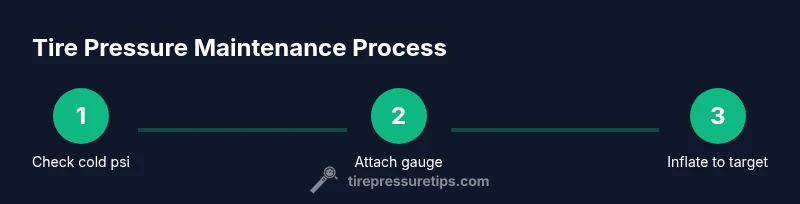
Goal: learn to use a clean air pressure conditioner to check and adjust tire pressure safely and efficiently. You’ll need a reliable tire pressure gauge, a compatible compressor, and a clean work area. Start by noting current psi, connect the conditioner, inflate to the recommended psi, then recheck with the gauge. Regular use reduces uneven wear and fuel waste.
What is a clean air pressure conditioner and why it matters
A clean air pressure conditioner is a system that filters and dries the air used to inflate tires, helping prevent moisture, oil, and dust from entering the tire valve or TPMS sensors. In the field, clean air maintains consistency in inflation, protects gauges, and reduces the risk of valve corrosion. According to Tire Pressure Tips, stable air quality supports accurate readings and longer tire life, especially in variable weather. By conditioning the air, you minimize contaminants that could affect inflation accuracy and subsequent wear patterns. This concept translates into practical, everyday maintenance, enabling drivers to sustain proper inflation more reliably across seasons. A well-designed conditioner also reduces the chance of moisture-induced rust on metal components and helps keep the hose and fittings cleaner for longer.
In real-world terms, think of it as a tiny air purification system for your inflation line. When you pull the trigger or start the compressor, you want air that won’t introduce variables into your gauge readings or tyre valves. The result should be consistent, repeatable inflation behavior, which leads to even tread wear and better fuel economy. If you drive in humid or dusty environments, a clean air approach becomes even more valuable because moisture and particulates are primary sources of readout drift and valve troubles. For everyday trucking or family-car use, this translates into fewer trips to the repair shop and fewer mismatched tire pressures between seasons.
Key components of a reliable system
A robust clean air pressure conditioner setup rests on a few essential parts: a quality tire pressure gauge (digital or analog), a regulated air compressor capable of delivering stable PSI, a moisture-trap or inline filter, and a regulator with a clear display. Many units include built-in desiccant cartridges to absorb humidity before air reaches the tire valve. Hoses should be corrosion-resistant and long enough to reach all four corners of the vehicle, plus the spare tire. Check for compatibility with your vehicle's tire pressure range and avoid cheap, uncalibrated gauges that can skew readings. The system should be easy to service: quick-connect fittings, accessible filters, and a simple way to replace filters without tools. Regularly inspecting the hoses for wear and ensuring the desiccant is refreshed will extend the life of the entire setup. According to the Tire Pressure Tips team, a well-maintained conditioner is as important as the gauge itself for accurate inflation. A neglected unit can introduce leaks or moisture, undermining tire performance and safety.
Beyond hardware, establish a routine that fits your driving schedule. If you live in a climate with big humidity swings, you may need to dry the air more often and inspect seals more frequently. The end goal is consistent, clean air that produces stable readings, limits corroded valves, and preserves TPMS sensor accuracy over time.
How to use a clean air pressure conditioner safely
Using a clean air pressure conditioner safely starts with turning off the vehicle and allowing tires to cool if they’ve been driven recently. Remove valve caps and inspect the valve stems for damage or debris. Attach the gauge to the valve stem first to confirm baseline psi. Then connect the conditioner line, ensuring the connection is tight but not forced, which could damage the valve or fitting. Set the regulator to the target pressure shown on the vehicle placard or owner’s manual. Inflate gradually, pausing to recheck the psi with the gauge during inflation. If the unit features a moisture trap, monitor water collection and replace filters as needed. After inflating to the desired pressure on all tires, recheck each tire to verify uniformity and safety. Finally, disconnect the line, reinstall valve caps, and store the equipment in a dry, cool place. This approach minimizes the risk of overinflation and maintains measurement accuracy over time. Tire Pressure Tips recommends keeping a small notebook of your tire pressures to track changes and seasonally calibrate expectations with your vehicle's recommended values. Remember to practice good hygiene by cleaning components after use to prevent dust buildup.
Common mistakes and how to avoid them
Common mistakes include inflating while tires are hot (which yields higher readings that drop as tires cool), using an uncalibrated gauge, and ignoring ambient temperature effects. Always measure cold tires for accuracy and recheck after a short drive if you must take a reading in warm conditions. Don’t rely on the compressor’s built-in gauge alone; confirm with a separate, calibrated tire pressure gauge. Another frequent error is skipping maintenance on the conditioner: moisture traps and filters should be replaced regularly to prevent drift and contamination. Before each use, visually inspect hoses for cracks and that all connections are secure. By avoiding these pitfalls and maintaining the system, you preserve measurement integrity and tire life. In colder climates, anticipate pressure drops with temperature changes and adjust accordingly, rather than waiting for a noticeable dip. The Tire Pressure Tips team notes that consistent checks outperform event-based inflation.
Maintenance and troubleshooting
Maintenance is a key part of reliable inflation. Regularly clean the exterior of your conditioner to prevent dust ingress, inspect hoses for wear or cracks, and replace any worn fittings. For moisture traps, replace filters per the manufacturer’s guidance and dry desiccant cartridges as required. If readings drift or you notice unexpected moisture in the line, stop using the unit and perform a full system check: verify gauge accuracy, inspect filters, and test for leaks. A simple calibration check with a known-good gauge can reveal whether your unit needs servicing. Troubleshooting steps include: 1) verify all connections are tight, 2) replace moisture filters, 3) test straight air flow without a tire attached to confirm regulator behavior, and 4) ensure the compressor is delivering steady flow at the target pressure. Routine preventive maintenance extends tool life and preserves inflation accuracy, especially after exposure to dust, humidity, or cold weather. Tire Pressure Tips’s analysis shows that users who regularly service their conditioning system report fewer inflations errors and more consistent tyre wear.
Real-world scenarios and seasonal adjustments
Seasonal changes affect tire pressure, as cold air holds less pressure than warm air. In winter, you may see a drop in psi even if tires are correctly inflated in summer. Plan for a recheck after cold snaps or after long periods of storage. In high-temperature environments or under heavy loads, pressures can rise, so mid-season checks are prudent to maintain safe levels. If you notice fuel economy changes or unusual tire wear, revisit your target psi values and consider adjusting for temperature and load conditions. A practical habit is to measure pressures at the same time of day and under similar temperatures to minimize variables. The Tire Pressure Tips team emphasizes documenting changes and adjusting your maintenance schedule to reflect local climate realities. By integrating these practices into your routine, you’ll preserve tire life, safety, and performance across seasons.
Tools & Materials
- Tire pressure gauge(Digital or analog; calibrated within last 12 months)
- Clean air pressure conditioner unit(Includes desiccant/filters and regulator)
- Air compressor(Capable of delivering stable PSI at the target range)
- Moisture trap / inline filter(If not built into unit; replace as needed)
- Replacement filters/desiccants(Keep spares for easier maintenance)
- Rag or lint-free cloth(For wiping valve stems and fittings)
Steps
Estimated time: 25-40 minutes
- 1
Check current tire pressures
Park on level ground and allow tires to cool for at least 3 hours or drive a short distance to avoid warm readings. Remove valve caps, attach the gauge, and read the psi for each tire. Record the numbers for all tires and the spare.
Tip: Use cold tires for the most accurate baseline reading. - 2
Attach the conditioner line
Connect the conditioner line to the tire valve with a secure seal. Ensure no debris is in the valve stem and that connections are tight to prevent leaks. Do a quick visual check for any kinks in the hose.
Tip: Keep the valve area clean to prevent contaminants entering the line. - 3
Set the target psi
Refer to your vehicle placard or owner’s manual to determine the recommended psi for front and rear tires. Input this value into the regulator if your unit supports it, or note it for manual inflation. Do not exceed the tire’s maximum psi printed on the sidewall.
Tip: When in doubt, use the lower of front/rear recommendations for uneven loads. - 4
Inflate to the target psi
Inflate gradually, pausing to recheck the psi with the gauge. If your unit has a moisture trap, monitor water collection and replace filters as needed. Stop inflating as soon as you reach the target pressure for each tire.
Tip: Never rush inflation; small increments reduce overinflation risk. - 5
Recheck all tires
After inflating, recheck each tire again to ensure uniform pressure. If any tire reads low, adjust accordingly and verify again. Record the final values for future reference.
Tip: Cross-check with a spare’s pressure if you use your spare often. - 6
Disconnect and store
Disconnect the line, replace valve caps, and wipe down fittings. Store the conditioner in a dry, cool place away from direct sunlight. Document any maintenance actions for your next check.
Tip: Keep a small maintenance log to simplify future checks. - 7
Perform a quick post-check
Drive a short distance and re-measure pressures to account for heat buildup. If temperatures vary, consider adjusting psi to maintain target ranges once tires cool again.
Tip: Temperature drift is normal; plan for periodic rechecks during seasonal changes.
Frequently Asked Questions
What is a clean air pressure conditioner?
A clean air pressure conditioner filters and dries the air used to inflate tires, reducing moisture and particulates that can affect readings and TPMS sensors. It helps protect gauges and valve components for more accurate inflation.
It's a system that cleans the air used for inflation, improving accuracy and protecting valves and sensors.
Why use a clean air pressure conditioner?
Using conditioned air improves measurement stability, extends tool life, and reduces the likelihood of moisture-related issues in humid environments. It makes inflation more reliable across varying conditions.
It makes inflation readings more reliable and helps protect the tools you use.
Can I use a regular air compressor with a conditioner?
Yes, you can, as long as the compressor delivers clean, regulated air and you use the conditioner to filter moisture before it reaches the tire.
Yes, with proper filtration and regulation.
How often should I recalibrate the gauge and conditioner?
Recalibrate whenever readings drift, at least every 6-12 months, and after replacing filters or desiccants.
Calibrate when readings drift or after filter changes.
What are signs of a faulty air line or moisture trap?
Excess moisture, inconsistent readings, or water condensate in the line indicate a problem. Inspect and service the line and traps.
Look for moisture and erratic readings and fix the line.
Is it safe to inflate tires in winter with a conditioner?
Yes, but temperature affects psi. Recheck after temperature changes and adjust to maintain target pressure.
Temperature matters; recheck after cold or warm changes.
Watch Video
What to Remember
- Check cold tire psi for accuracy.
- Use a clean air pressure conditioner to maintain clean, consistent air.
- Recheck after inflation to confirm target pressure.
- Regular maintenance extends device life and improves tire wear.