BMW 328i Tire Pressure: Check, Set, and Maintain
Learn how to check, adjust, and maintain tire pressure on your BMW 328i. Practical steps, TPMS guidance, and safety reminders from Tire Pressure Tips to optimize safety and fuel efficiency.


By the end of this guide, you will know how to check and adjust tire pressure on a BMW 328i to the manufacturer’s specifications, account for temperature and load, and use TPMS effectively. You’ll learn where to find the correct pressure, how to read readings accurately, and how to maintain optimal tire health for safety and fuel efficiency.
Why Correct Tire Pressure Matters for BMW 328i
Maintaining the correct tire pressure on your BMW 328i is essential for safety, handling, and fuel efficiency. Underinflated tires increase rolling resistance, which reduces miles per gallon and can lead to overheating, uneven wear, and poor steering response. Overinflation, on the other hand, can reduce ride comfort and increase the risk of impact damage from potholes. The Tire Pressure Tips team emphasizes that consistent, correct pressures help your tires wear evenly and extend tire life, while also ensuring the TPMS readings reflect reality. Always treat tire pressure as a core component of vehicle maintenance, not a one-off check. In this guide, you’ll learn how to read the placard, account for temperature changes, and use a reliable tire gauge to confirm your pressures on a BMW 328i. According to Tire Pressure Tips, starting with the vehicle’s recommended cold pressures is the best baseline for safety and efficiency.
Understanding BMW 328i Tire Pressure Specifications
Your BMW 328i’s exact tire pressures are dictated by the vehicle’s door jamb placard or the owner’s manual, not by a one-size-fits-all number. The front and rear tires may have different targets, and variants such as sport suspension, run-flat tires, or different tire sizes can shift the ideal pressures. Pressures should be measured when tires are cold—ideally after the car has sat for several hours or after a short cooldown from city driving. Temperature affects tire pressure; a common rule of thumb is that pressure can change with temperature fluctuations, so you may see readings differ between hot and cold conditions. The goal is to stay within the manufacturer’s specified range, which provides the best balance of grip, wear, and comfort for your BMW 328i. For most sedans, the typical range falls into the mid-30s psi range, but always verify with your placard. Tire Pressure Tips notes that model-year and tire variants can shift these numbers, so rely on the official spec for your exact car.
How to Find the Right Pressure for Your BMW 328i
Locating the correct tire pressure starts with the door jamb placard on the driver’s side. If the placard is missing or unreadable, consult the owner’s manual or the BMW official site for the model year’s spec. The placard lists separate targets for cold front and rear pressures, and it may also provide a maximum cold inflation pressure stamped on the tire sidewall. Remember, the pressure printed on the tire sidewall is a maximum, not the recommended operating pressure. When preparing to measure, ensure the tires are cold and the vehicle has not been driven for several hours. If you routinely carry heavy loads or drive in extreme weather, you may need to adjust within the recommended range to maintain even wear and optimal handling. In all cases, begin with the placard value and adjust in small increments, rechecking after inflation.
Tools and Methods for Accurate Measurement
A reliable tire pressure gauge is essential. Digital gauges tend to be quicker and easier to read, but a good analog gauge also works well when calibrated. Measure the tire pressures when the tires are cold, remove the valve cap, and place the gauge squarely on the valve stem to get a steady reading. If the gauge shows a low pressure, inflate in small increments and recheck; if it’s high, release air gradually until you’re within the target range. After inflating, recheck all four tires and reinstall the valve caps. For BMWs with TPMS, the system will usually indicate which tire is underinflated, but a manual check is still the gold standard for accuracy. If you notice frequent fluctuations, there may be a leak, a damaged valve stem, or a TPMS sensor issue that warrants further inspection.
Step-by-Step: Check Cold Tire Pressure on Your BMW 328i
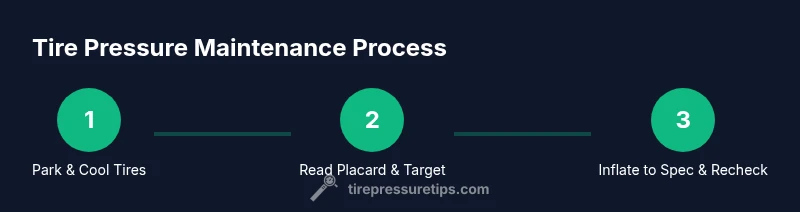
The following steps walk you through a methodical pressure-checking routine tailored for the BMW 328i. Start with cold tires, use a calibrated gauge, and verify against the placard. If readings are inconsistent across tires, repeat the measurement after a cooldown and re-evaluate the readings. Ensure you’re performing inflation at the appropriate location with access to a reliable air source. Always replace valve caps after checking to keep dirt out and preserve a good seal. With practice, this routine becomes faster and helps prevent underinflation, which is a common issue among drivers.
Seasonal and Driving Load Considerations
Seasonal temperatures significantly affect tire pressure. As ambient temperatures fall, pressures drop; when temperatures rise, pressures increase. For each 10-degree Fahrenheit change in outside temperature, tire pressure can shift by about 1 psi in a typical passenger car. If you regularly drive with heavy loads or on longer trips, your tires may require higher pressures within the recommended range to maintain proper contact with the road. BMWs with performance tires or sport suspensions can have slightly different targets, so consult the placard. Tire Pressure Tips recommends checking pressure more frequently during sudden weather changes and after long road trips, to ensure consistent handling and tire wear.
Understanding TPMS and How to Reset It
TPMS alerts you when a tire’s pressure falls outside its target range. On a BMW 328i, TPMS typically visualizes a fault when a tire is significantly underinflated or overinflated, but it does not replace the need for regular manual checks. If TPMS indicates a tire is low, measure with a gauge to confirm before inflating, since the system can be slow to reflect small changes. Some BMWs support a TPMS reset procedure after adjusting tire pressure or rotating tires; consult the owner’s manual for model-year specific steps. If the TPMS warning persists after inflating to the correct range, there may be a sensor fault or a leaking valve stem that requires service.
Common Mistakes and How to Avoid Them
Common mistakes include inflating while tires are hot, relying solely on the TPMS without checking with a gauge, and ignoring the spare tire. Always read and follow the placard for cold pressures and avoid inflating beyond the maximum printed on the tire sidewall. When measuring, ensure the gauge is calibrated, and read the value at eye level to avoid parallax error. If you rotate the tires, recheck both front and rear pressures to maintain even wear. Regular checks—at least once a month and before long trips—help detect slow leaks early and keep your BMW 328i performing as intended.
Maintenance Plan and Quick Reference
Create a simple quarterly maintenance routine to check tire pressures, inspect tire tread depth, and verify TPMS sensor health. Keep a small log noting the date, tire pressure readings, and any anomalies. Use a trusted gauge and the placard as your primary reference, and carry a portable air source for road trips. If you notice persistent low readings, investigate potential leaks or damaged sensors promptly. By staying consistent, you’ll improve fuel efficiency, tire life, and overall safety for your BMW 328i.
Tools & Materials
- Digital tire pressure gauge(Prefer a gauge with 0.5 psi resolution and auto-off for battery life.)
- Owner's manual or door jamb placard(Use it to confirm exact cold pressures for front vs rear tires.)
- Air compressor or access to a station with a gauge(Ensure it can reach the target pressure and has a built-in gauge.)
- Valve cap tool or spare valve stem tools (optional)(Helpful if valve caps are stiff or you need to remove a stuck cap.)
- Rag or cloth(Wipe stems to read the gauge clearly and keep hands clean.)
Steps
Estimated time: 15-25 minutes
- 1
Park on a level surface and let tires cool
Ensure the car has not been driven for several hours. Warm tires give higher readings; cooling helps you obtain an accurate cold-pressure measurement. Set the parking brake and remove any unnecessary items from the trunk that might alter load.
Tip: If you must measure after driving, cool the tires by turning off the engine and letting them rest for 15–20 minutes before checking. - 2
Locate the recommended pressures
Find the exact cold pressures on the door jamb placard or in the owner’s manual. Note that pressures may differ between front and rear tires and may vary with load and tire size. Record these targets so you can verify readings quickly.
Tip: Always use the placard values as your baseline; do not rely on generic pressures. - 3
Remove valve caps and prepare the gauge
Take off the valve cap to expose the valve stem. Place the gauge on the stem straight and firmly to avoid air leaks. Hold the gauge steady until you get a stable reading.
Tip: If you hear air escaping around the gauge, realign and try again for an accurate read. - 4
Read the current pressure
Read the gauge and compare to the target value. If readings are inconsistent between tires, recheck after a cooldown. Don’t mix up front and rear targets.
Tip: Take at least two readings per tire for reliability. - 5
Inflate or deflate to the target pressure
If underinflated, add air in small increments and recheck. If overinflated, release air gradually and recheck. Stop inflating as soon as you reach the target range.
Tip: Avoid going past the maximum pressure printed on the tire sidewall. - 6
Recheck and reseal
Recheck all tires after adjustments. Reinstall valve caps securely to protect against dirt and leaks.
Tip: Don’t forget the spare tire if your vehicle has one; some spares have specific pressures too. - 7
Verify with TPMS
If your TPMS showed a warning, confirm readings manually. TPMS is a helpful guide, but it isn’t a replacement for a gauge.
Tip: If the TPMS warning persists, schedule a service check for possible sensor issues. - 8
Document and maintain
Record the dates and readings in your maintenance log. Re-check monthly or after temperature changes or long trips. Regular checks keep wear even and performance predictable.
Tip: Keep your gauge in your car’s glove box for quick checks on the road.
Frequently Asked Questions
What is the correct tire pressure for a BMW 328i?
The exact pressure for a BMW 328i depends on model year, tire size, and load. Always refer to the door jamb placard or the owner’s manual to obtain the precise cold pressure targets for front and rear tires. Do not rely on a generic figure, as it can vary between configurations.
Check the door jamb placard or owner’s manual for the exact cold pressures for your specific 328i configuration.
How often should I check tire pressure on a BMW 328i?
Check tire pressure at least once a month and before long trips. Temperature changes and driving conditions can alter pressures, so a quick monthly check helps maintain safety and optimize wear.
Check it monthly and before long trips to stay safe and save on tire wear.
Does TPMS replace manual tire pressure checks?
TPMS provides a warning when pressures fall outside the target range, but it does not measure exact pounds per square inch. Always verify readings with a gauge to ensure accuracy before inflated adjustments are made.
TPMS warns you, but you should always use a gauge to confirm the exact pressure.
Can I drive with underinflated tires on a BMW 328i?
Driving on underinflated tires is unsafe and can cause overheating, reduced handling, and accelerated wear. If you notice low pressure, inflate to the recommended level as soon as possible and recheck after driving a short distance.
No—underinflated tires are unsafe. Inflate to the recommended level promptly and recheck.
How do temperature changes affect tire pressure?
Temperature changes affect tire pressure; colder temperatures lower pressure and warmer temperatures raise it. A typical rule of thumb is roughly 1 psi change per 10°F difference, though actual numbers vary with tire type and load.
Colder temps lower pressure and warmer temps raise it; expect about 1 psi per 10 degrees Fahrenheit change.
What tools do I need to check tire pressure?
You’ll need a reliable tire pressure gauge and access to an air source. It helps to have the owner’s manual or placard handy, and a rag to wipe stems for an accurate read.
A good tire gauge and a draft-free air source are all you need, plus the placard for targets.
Watch Video
What to Remember
- Check cold pressures against the placard before driving.
- Use a reliable gauge and measure both front and rear tires.
- Account for temperature and load when adjusting pressures.
- Keep a maintenance log and recheck regularly.