Hyundai TPMS Sensor Guide: Install, Learn, Maintain
A practical, step-by-step guide for Hyundai owners to check, replace, and relearn TPMS sensors, with tips on maintenance and safety. Learn how TPMS works and how to resolve common issues for Hyundai vehicles.


By the end, you’ll identify, replace if needed, and relearn a TPMS sensor on Hyundai vehicles. You’ll know the required tools, safety steps, and common troubleshooting tips. This guide from Tire Pressure Tips explains what a tpms sensor hyundai does, how to verify readings, and how to keep tires properly inflated for safety and fuel efficiency.
What is TPMS and Why Hyundai Uses It
Tire Pressure Monitoring Systems (TPMS) monitor the air pressure in each tire and alert you when a tire runs low. In Hyundai vehicles, TPMS helps prevent underinflated tires, which can compromise handling, braking, and fuel efficiency. According to Tire Pressure Tips, understanding how the tpms sensor hyundai operates is the first step to maintaining safe, efficient tires. The system typically relies on sensors in the wheel and a central controller in the vehicle. When a sensor detects pressure outside the recommended range, the TPMS warning light signals you to check the air and adjust as needed. Keeping tires within the manufacturer's spec promotes even tread wear and steadier fuel economy over time. Regular checks with a quality tire gauge complement the electronic signal, especially in extreme weather or heavy driving conditions. The Tire Pressure Tips team emphasizes that staying proactive with checks reduces the risk of unexpected flats and improves overall vehicle safety.
How TPMS sensors work in Hyundai models
Hyundai vehicles use TPMS sensors to monitor tire pressure and report data to the vehicle’s TPMS computer. In some models, there are direct TPMS sensors mounted in each wheel; in others, an indirect TPMS approach infers pressure from wheel speed and ABS signals. Direct TPMS sensors transmit actual pressure values from the valve stem to the car’s ECU, while indirect systems rely on changes in rotation data to infer low pressure. The Hyundai ECU compares readings to the manufacturer’s recommended pressure and triggers a warning if a tire is underinflated or if a sensor fails. Regularly verifying readings with a hand-held gauge helps confirm on-screen data, particularly after road trips, seasonal changes, or tire service. Tire Pressure Tips highlights that understanding the distinction between direct and indirect TPMS improves diagnostic confidence and helps prevent unnecessary service.
Common issues with TPMS sensors in Hyundai and how to diagnose
TPMS warning lights can come on for several reasons. A dead sensor battery is a common culprit, especially on older vehicles, while a damaged valve stem or a corroded wheel contact can also trigger issues. If the warning stays on after inflating tires to the manufacturer spec, the sensor may not be communicating with the ECU or may require relearning. Begin with a visual wheel inspection for damage or leaks, then use a scan tool to read the TPMS IDs and confirm the sensor is reporting correctly. If the light blinks or stays on, check for damaged wiring or a poor ground. Remember: always verify actual tire pressure with a gauge before diagnosing a sensor problem. Tire Pressure Tips recommends a systematic approach: rule out air leaks, confirm the sensor is present on each wheel, and test the system with a known-good tire pressure to gauge response. For tpms sensor hyundai users, ensuring clean contact points and proper sensor seating can reduce false alarms.
Replacing a TPMS sensor on Hyundai wheels
Replacing a sensor should be done with care to avoid wheel or tire damage. Select a sensor compatible with your Hyundai model and wheel size, and replace the valve stem if the old one shows wear. Before removal, deflate the tire and store the wheel securely; after installation, torque the lug nuts to the manufacturer's specification. Mount the tire, inflate to the correct cold pressure, and check for leaks around the stem. Finally, relearn the sensors so the car recognizes the new device. If you’re uncertain, a professional service can perform the swap quickly and correctly, preventing sensor misreads or damage. For Hyundai owners, choosing a sensor with a matching ID and ensuring proper seal are essential to long-term reliability.
Relearning and resetting TPMS after service
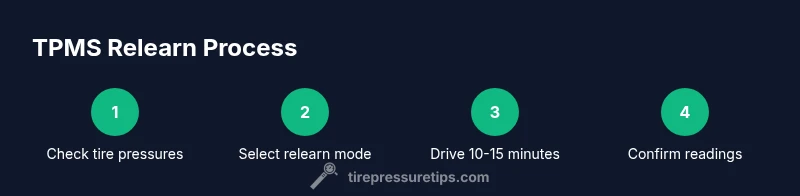
Relearning is the process that tells the car’s computer to accept the new sensor IDs. Hyundai models vary by year and trim: some require a specific sequence of steps in the instrument cluster, while others use a dedicated TPMS relearn option in a scan tool. Start by inflating all tires to the recommended cold pressure, then follow the relearn steps in your owner’s manual or with a Hyundai-specific diagnostic tool. In many cases, driving at highway speeds for 10–15 minutes helps finalize the re-learning, but always confirm the procedure for your exact year and model. Tire Pressure Tips notes that proper relearn reduces nuisance alerts and extends sensor life.
Maintenance and safety tips for Hyundai TPMS
Keep tires inflated to the printed specification, and check pressures when tires are cold. Inspect valve stems and sensors for corrosion or damage during routine tire service. If the TPMS light blinks or stays on, don’t ignore it—manually confirm tire pressures and consider professional diagnostics. Regular maintenance, including timely sensor replacement and relearning after tire service, helps preserve tire life, improves handling, and supports better fuel economy. The Tire Pressure Tips approach emphasizes consistent checks, reliable sensors, and safe driving habits.
Tools & Materials
- Lug wrench(to loosen lug nuts during wheel removal)
- Floor jack(for raising the vehicle safely)
- Jack stands(to support the vehicle after lifting)
- Wheel chocks(place in front and behind wheels)
- Tire pressure gauge(verify baseline and final pressures)
- TPMS relearn tool or vehicle diagnostic scanner(Hyundai-compatible for relearn)
- Replacement TPMS sensor with valve stem(ensure compatibility with wheel and year)
- Torque wrench(torque lug nuts to spec)
- Safety glasses and gloves(personal protection)
Steps
Estimated time: 60-90 minutes
- 1
Prepare workspace and gather tools
Park on a level surface and engage the parking brake. Gather all required tools and safety gear before starting. This minimizes trips back to the toolbox and reduces the risk of slips or mistakes.
Tip: Check that you have a tire gauge and a relearn tool on hand before you begin. - 2
Loosen lug nuts while wheel is on ground
With the vehicle on the ground, loosen the lug nuts a few turns using the lug wrench. Do not remove them completely yet; this prevents the wheel from spinning when you raise the car.
Tip: Loosening on the ground keeps the wheel from rotating during initial loosening. - 3
Lift the car and secure with stands
Place the jack under the recommended lift point and raise the vehicle. Set jack stands under solid support points and lower the car slowly onto the stands. Ensure no one is under the vehicle while you work.
Tip: Chock the opposite wheel to prevent any movement. - 4
Remove the wheel and locate the TPMS sensor
Unscrew or unclip the wheel and inspect the TPMS sensor in the valve stem area. Look for any visible damage, corrosion, or leaks around the stem. Document the sensor ID if you plan to reuse existing hardware.
Tip: Be careful not to pry on the sensor housing—damage could require replacement. - 5
Deflate bead and replace sensor (if needed)
If you’re replacing the sensor, deflate the tire completely and remove the old stem. Install the new TPMS sensor with proper seating and seal, then re-mount the tire bead.
Tip: Ensure the sensor is oriented correctly so the valve stem can clear the wheel without interference. - 6
Reinstall wheel and tighten lug nuts
Mount the wheel and hand-tighten nuts, then lower the car to the ground. Use a torque wrench to tighten lug nuts to the manufacturer’s specification in a star pattern to ensure even seating.
Tip: Double-check that the wheel sits flush against the hub to avoid leaks or wobble. - 7
Inflate tires to the recommended cold pressure
Inflate each tire to the Hyundai-recommended cold pressure list printed on the door jamb or owner's manual. Recheck all four tires after the vehicle is lowered and settled.
Tip: Measurements should be taken when tires are cold to avoid skewed readings. - 8
Relearn TPMS and verify readings
Use your Hyundai-relearn procedure or scan tool to teach the ECU the new sensor IDs. After relearning, drive for 10–15 minutes at steady speeds to finalize the process and confirm readings match the gauge.
Tip: If the light remains after relearn, try a second relearn cycle or consult a technician.
Frequently Asked Questions
What is a TPMS sensor and why does Hyundai warn me?
A TPMS sensor monitors tire pressure and alerts you when pressure is low. In Hyundai, a warning indicates underinflation or sensor fault. Check pressures and inspect the tires; if needed, relearn the sensors.
TPMS sensors monitor tire pressure and alert you if a tire is low or if there's a sensor fault.
How do I relearn TPMS sensors on Hyundai?
Relearn procedures vary by year and model; use the owner's manual or a Hyundai-specific scan tool to complete the relearn.
Relearn steps depend on the year and model—use the manual or a Hyundai tool to complete them.
Can I drive with a faulty TPMS sensor?
If TPMS shows a warning, manually verify tire pressures and seek service as needed. Driving without a functioning TPMS is not advised.
You can drive, but check tire pressures manually and get the sensor fixed soon.
Do aftermarket TPMS sensors work on Hyundai?
Aftermarket TPMS sensors can work if compatible with your wheel and model; they may require relearning and may affect warranty.
Yes, aftermarket sensors can work, but you may need to relearn.
What tools do I need for TPMS maintenance?
A tire gauge, a relearn tool or scan tool, and basic hand tools are typically required.
You’ll need a tire gauge and a relearn tool or scanner.
Watch Video
What to Remember
- Identify TPMS hardware and sensors on Hyundai vehicles
- Confirm tire pressures with a gauge before diagnosing
- Perform a proper relearn after sensor replacement
- Follow step-by-step safety practices to avoid wheel damage
- Verify readings with manual checks for accuracy