Zero Turn Mower Tire Pressure: Practical Maintenance Guide
Learn how to check and maintain zero turn mower tire pressure for even cuts and longer tire life. Follow manufacturer specs, use a reliable gauge, and adjust for load and weather with guidance from Tire Pressure Tips.


Setting the correct zero turn mower tire pressure ensures even cutting, good traction on slopes, and longer tire life. Start with the mower manufacturer’s recommended PSI printed on the tire sidewall or in the manual, then adjust for load and terrain. Check cold tires, use a reliable gauge, and recheck after adjustments.
Why Tire Pressure Matters for Zero Turn Mowers
Maintaining the correct zero turn mower tire pressure is essential for consistent cutting, traction, and tire life. When tires run too high, the ride becomes harsh and the cutting deck can scalp on uneven ground. When tires run too low, traction suffers, tires heat up, and the risk of punctures increases. For the best results, always start by consulting the manufacturer's recommended pressure found on the sidewall or in the operator manual. The Tire Pressure Tips team notes that small changes in pressure can lead to big changes in performance, especially on slopes or soft turf. Using proper pressure helps distribute weight evenly, reduces soil compaction, and ensures the mower deck remains level. The topic zero turn mower tire pressure affects not only ride comfort but also cut quality and tire wear, making regular checks a core maintenance habit.
Where to Find the Correct Tire Pressure for Your Zero Turn Mower
Your zero turn mower tire pressure should come from several sources: the tire sidewall, which often lists a recommended operating pressure; the operator's manual or manufacturer website for model-specific guidance; and a decal on the mower frame near the engine. If a model uses dual rear tires or wide fronts, ensure you check both tires because the load distribution may differ. According to Tire Pressure Tips analysis, most manufacturers place the official recommendation on the tire sidewall or in the owner's manual, so start there before making any changes. Remember, never exceed the tire's maximum psi printed on the sidewall. If in doubt, contact the manufacturer or an authorized service center for model-specific guidance.
How Weather and Load Change Your Zero Turn Mower Tire Pressure
Weather and load are the two biggest external factors influencing zero turn mower tire pressure. Cold mornings mean lower pressure readings, while heat from mowing can raise the pressure inside each tire. Heavier attachments, baggers, or a full grass catcher increase the load on the tires and can cause pressure to drop on some tires if they are not adjusted. To maintain consistent performance, measure when tires are cold and before attaching heavy implements. Store a small log of readings to track seasonal changes and adjust accordingly as conditions evolve.
Step-by-Step: Check and Adjust Your Zero Turn Mower Tire Pressure
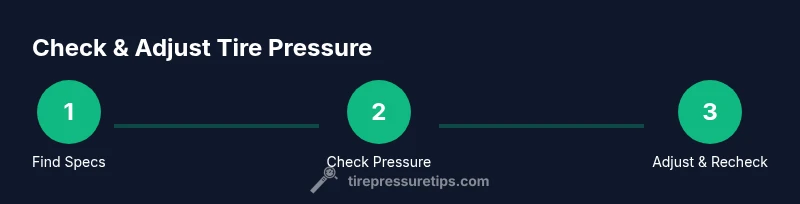
- Park on a level surface and ensure the mower is off and cool. 2) Locate the recommended tire pressure on the tire sidewall or in the owner's manual. 3) Remove or park any attachments that add weight if you plan to compare under normal working conditions. 4) Clean the valve stem area and connect a gauge. 5) Read the current pressure and compare to the recommendation. 6) If the pressure is low, add air until you reach the recommended level; if high, release air gradually. 7) Recheck both tires on level ground and replace any caps. 8) Note the result in your maintenance log.
Troubleshooting Common Tire Pressure Issues on Zero Turn Mowers
Common symptoms of incorrect tire pressure include uneven cutting, scalped edges, excessive tire wear on one side, or a floaty feel on slopes. Underinflated tires can cause poor traction and scuff turf, while overinflated tires can ride harshly and increase risk on rough ground. If you notice differences between front and rear tires, recheck both sides. Inspect tires for cuts, punctures, or puncture seals that alter pressure. Regular checks help prevent surprises during mowing.
Tools and Safety: Getting the Right Gauge and Safe Practices
Use a tire pressure gauge that reads to at least 1 psi resolution. A digital gauge is typically easier to read quickly, while a dial gauge works well for mechanical reliability. Keep an accurate log of the pressure for each tire, model, and season. Always wear eye protection and work in a well-ventilated area if you use air compressors. Do not exceed the tire's rated pressure; never stand in front of a tire while inflating.
Impact on Mowing Performance: Traction, Cut Quality, and Turf Health
Maintaining correct zero turn mower tire pressure improves traction on slopes and reduces tire slip when turning. Proper pressure helps keep the deck level, which leads to an even cut and less scalping. It also reduces soil compaction and protects turf health over time. When pressure is not optimized, you may see variable cutting heights, wheel marks, or increased wear on tires. Regular checks support consistent performance and longer mower life.
Maintenance Schedule and Quick Checks for Seasonal Changes
As seasons shift, perform a quick tire pressure check at the start of each mowing season and whenever you notice changes in cut quality or traction. Record the readings and adjustments in a maintenance log so you can detect long-term changes. If you add a heavy attachment for leaf pickup or dethatching, recheck pressure after the first few uses. A simple, consistent routine keeps your zero turn mower performing at peak efficiency year-round.
Tools & Materials
- Tire pressure gauge (digital or dial)(Read to at least 1 psi; consider a bleed feature for fine-tuning)
- Air compressor or hand pump(With gauge-compatible nozzle; avoid over-inflation)
- Owner's manual or model-specific spec decal(Primary source of recommended PSI)
- Valve core tool or tire repair kit(Optional for stuck valves or leaks)
- Cloth rag and cleaner(Wipe valve stems and stems before checking)
- Maintenance log or notebook(Record readings and changes over time)
Steps
Estimated time: 15-25 minutes
- 1
Power off and cool tires
Park the mower on a level surface, switch off the ignition, and wait until tires have cooled. Checking while cold minimizes pressure rise due to heat during operation and ensures an accurate baseline.
Tip: Cold tires provide the most accurate baseline reading. - 2
Find the recommended pressure
Look on the tire sidewall for the operating range or consult the owner's manual for model-specific PSI. If the two tires have different roles (front vs rear), note any separate specifications.
Tip: If you can't locate specs, contact the manufacturer for guidance. - 3
Check current pressure with gauge
Attach the gauge to each valve stem and read the pressure. Record readings for both tires and compare with the recommended values.
Tip: Use a gauge with a bleed valve to adjust precisely. - 4
Adjust pressure to target
Add air to bring each tire up to the recommended level or release air to lower it. Do not exceed the maximum shown on the sidewall.
Tip: Make small adjustments, then recheck before finalizing. - 5
Recheck and finalize
Recheck both tires on level ground after adjustments. Replace valve caps and reattach any removed attachments.
Tip: Document the final readings in your maintenance log. - 6
Document and monitor
Record the date, model, tire pressures, and any notes about conditions. Revisit the readings seasonally or after load changes.
Tip: Use the log to spot long-term trends and plan future checks.
Frequently Asked Questions
Why is tire pressure important for zero turn mower performance?
Tire pressure influences traction, cut quality, and tire wear. Proper pressure helps the mower track smoothly and keeps the deck level for an even cut.
Tire pressure affects traction and cut quality; keeping it within spec helps you cut evenly and protect tires.
Where can I find the recommended tire pressure for my model?
Check the tire sidewall for the operating pressure or consult the owner's manual. If available, reference any decal on the mower frame near the engine.
Look on the tire sidewall or in the manual for the exact PSI for your model.
Can cold weather lower tire pressure on zero turn mowers?
Yes. Temperature changes reduce pressure readings; it’s best to check when tires are cold before mowing in winter.
Cold weather lowers tire pressure, so check readings when the tires are cold.
What happens if I don’t adjust tire pressure?
Incorrect pressure can cause uneven cuts, reduced traction, and uneven tire wear, leading to poorer performance and more frequent maintenance.
Not adjusting pressure can cause uneven cuts and traction problems.
Do zero turn mowers have TPMS?
Some models include tire pressure sensors; many rely on manual checks with a gauge. Always verify with the specific model.
Some have TPMS, but many rely on manual checks with a gauge.
Watch Video
What to Remember
- Check manufacturer PSI before mowing.
- Measure cold tires for accuracy.
- Use a reliable gauge and document readings.
- Adjust per load and weather to maintain performance.