Tire Pressure Guide for Chevy Equinox
Learn how to check, set, and maintain tire pressure for your Chevy Equinox. Practical steps, TPMS basics, weather considerations, and a maintenance routine to improve safety and fuel economy.


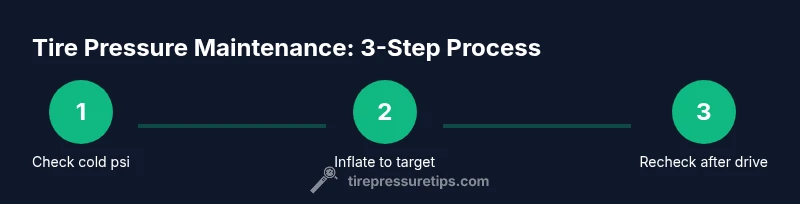
Steps to dial in tire pressure for Chevy Equinox: 1) Check tires when cold with a reliable gauge. 2) Compare readings to the door placard values. 3) Inflate to the recommended cold psi and recheck after driving 3–5 miles. According to Tire Pressure Tips, weather, load, and TPMS influence readings and performance.
Why tire pressure matters for the Chevy Equinox
Maintaining proper tire pressure is not just about avoiding a flat or a tire that wears prematurely. For Chevy Equinox owners, correct tire pressure has a direct impact on handling, braking distances, fuel efficiency, and even rollover risk in extreme maneuvers. When tires are underinflated, the tire's contact patch with the road increases, leading to higher rolling resistance and accelerated wear on the outer edges. Overinflation, in contrast, can reduce the tire’s footprint, causing harsher rides and uneven wear across the center. The Tire Pressure Tips team emphasizes that staying close to the manufacturer’s cold-psi specification balances grip, fuel economy, and longevity. Remember, changes in weather and cargo load shift the ideal pressure, so periodic checks are essential for consistent performance throughout the year. This guidance translates well into everyday driving—commutes, road trips, and errands alike—helping you make safer, smarter decisions on the road.
Tire pressure basics: cold vs warm, psi units
Tire pressure is measured in psi (pounds per square inch) or
Chevy Equinox specifics: where to find recommended pressure
For Chevy Equinox models, the official recommended cold tire pressures are provided on the driver’s door jamb placard and in the owner’s manual. Front and rear tires may have the same or different values depending on trim and tire size. It’s important to measure when the tires are cold and to use a quality tire pressure gauge to verify accuracy. If you routinely carry heavy loads or drive long distances at highway speed, your manufacturer may specify a different target pressure when loaded. Always default to the placard numbers first, and use the manual as a cross-check. Correct tire pressure ensures predictable steering, balanced handling, and even tread wear across all tires.
Weather and temperature effects on tire pressure
Ambient temperature has a notable effect on tire pressure. For every 10°F drop in temperature, tire pressure typically falls by about 1 psi. As seasons change, you may notice the TPMS warning light or the feel of the road change slightly due to pressure shifts. In cold weather, you may need to adjust up to restore the recommended cold psi. Conversely, in hot weather, pressure can rise, so you might need to release some air to maintain the target. The goal is to keep tires near the specified cold psi regardless of temperature swings, which helps maximize fuel economy and tire life.
How to measure tire pressure accurately (step-by-step)
To measure accurately, start with a cold tire. Remove the valve cap, place the gauge on the valve stem, and press firmly to get a reading. If the reading is below the placard value, inflate the tire using an air compressor until you reach the target. Replace the valve cap and recheck. Repeat for all tires, including the spare if you’re on a long trip. When adjusting, do not overinflate beyond the maximum indicated on the tire sidewall. If you’re unsure about reach or accuracy, re-check again after a few minutes of rest.
TPMS: how it works and what to do about warnings
The Chevy Equinox uses a Tire Pressure Monitoring System (TPMS) to alert you when a tire’s pressure deviates from the recommended range or when a sensor fault is detected. If TPMS warns you, first check all tires with a gauge, as readings can be affected by temperature and driving conditions. If a tire reads low, adjust to the correct cold psi and recheck after a short drive. If you consistently see TPMS alerts with no obvious pressure change, the sensor or battery may require service.
Maintenance schedule: how often to check tire pressure
We recommend checking tire pressure monthly and before long trips. If you rotate tires or change tire sizes, re-check the pressures as recommended in the manual. Weather changes and seasonal shifts call for additional checks. Keeping a simple log—date, tire pressure readings, and any adjustments—helps you catch gradual changes early and maintain even wear across all tires.
Common mistakes and troubleshooting tips
Common mistakes include checking tire pressure after a long drive, using the wrong gauge, or inflating to a visible target rather than the placard value. Always verify cold psi and measure both front and rear tires. If you notice persistent underinflation, inspect for slow leaks, punctures, or valve stem issues. A regular, disciplined routine beats erratic pressure changes and extends tire life.
Authority sources and further reading
For authoritative guidance on tire pressure maintenance, consult official sources and reputable organizations. The following references provide in-depth information about tire pressure and TPMS best practices, helping you make informed decisions about your Chevy Equinox:
Safety notes and warnings
Always follow the manufacturer’s specified pressures. Do not exceed the tire’s maximum inflation pressure. If you suspect a tire or sensor issue, seek professional service promptly. Proper tire pressure is a key component of safe driving and optimal vehicle performance.
Tools & Materials
- Tire pressure gauge (digital or dial)(Choose a gauge with a clear scale; digital gauges are easier to read; calibrate if needed)
- Vehicle door jamb placard or owner's manual(Contains the recommended cold psi for front and rear tires; varies by trim)
- Air compressor or access to a service station(Required to adjust tire pressure to the target psi)
- Pen and notebook or tire pressure check app(Helpful for logging checks and maintenance history)
- Valve caps(Keep caps tightened to prevent air leaks and dirt entry)
Steps
Estimated time: 15-25 minutes
- 1
Park and ensure tires are cold
Park the Equinox on a flat surface and wait for at least 3 hours after driving, or perform checks in the morning before the car is used. Cold tires give an accurate pressure reading that matches the placard values.
Tip: If you must drive to reach a gauge, note the reading and recheck after tires cool again. - 2
Remove valve caps and attach gauge
Take off the valve cap from each tire and place the gauge onto the valve stem. Press firmly to get an accurate reading; avoid air leaks around the stem.
Tip: Ensure you read the gauge straight on; oblique angles can misread the scale. - 3
Compare to the door placard
Check the displayed value against the recommended cold psi on the placard. If readings match, you’re done with that tire.
Tip: Front and rear pressures may differ; verify both sets if your model uses separate specs. - 4
Inflate or deflate to the target
If underinflated, add air until you reach the target psi. If overinflated, release air a small amount and recheck. Always adjust in small increments.
Tip: After inflating, recheck to confirm you’ve hit the correct psi precisely. - 5
Recheck after a short drive
Drive 3–5 miles at normal speeds. Recheck all tires to ensure they remain at the target when the tires warm up slightly.
Tip: A small psi increase is normal after a short drive due to heating; adjust later if needed when cold. - 6
Repeat for all tires and the spare
Repeat the above steps for each tire, including the spare if you rotate tires regularly or expect long trips.
Tip: Don’t forget the spare tire has its own pressure target; don’t ignore it if you carry it regularly. - 7
Document and maintain
Record the readings and dates. Schedule regular checks and update your log as tires wear or you change loads.
Tip: Maintaining a simple record helps you detect gradual pressure changes over time.
Frequently Asked Questions
What is the correct tire pressure for Chevy Equinox?
Refer to the driver’s door jamb placard or the owner’s manual for the exact cold psi values for front and rear tires. They can vary by trim and tire size. Always measure when tires are cold and adjust to those official values.
Check the door placard for the exact psi; measure cold tires and adjust to those numbers.
Why does my TPMS light come on even if my readings seem normal?
TPMS lights can illuminate due to a tire dropping below the threshold, a sensor fault, or a temperature-related reading change. Verify all tires with a gauge, and if a tire is low or damaged, address it promptly.
TPMS can trigger from low pressure, sensor issues, or temperature changes. Check all tires and address leaks or damages.
Can I mix tires with different pressures on the Equinox?
You should aim for consistent pressures close to the placard values across all tires. Significant disparities can affect handling and wear. If needed, adjust to keep front and rear pairs within a reasonable range.
Keep tires close to the placard values and avoid large discrepancies between tires.
Is it okay to check tire pressure after driving?
It’s best to check when tires are cold. If you must check after a drive, wait for tires to cool and recheck to confirm accurate readings.
Check when cold; if you can’t, recheck after a cooling period.
How often should I check tire pressure?
Check at least once a month and before long trips. Also recheck after seasonal changes or if you notice a change in ride quality.
Check monthly and before long trips; recheck after weather changes.
What are signs of underinflated tires?
Signs include reduced steering response, increased rolling resistance, and abnormal wear on the treads' edges. If you notice these, inspect and adjust to the recommended psi.
Look for handling changes and uneven tread wear; adjust to the right psi.
Watch Video
What to Remember
- Check tires when cold and compare against placard values.
- Use a reliable gauge for accurate readings.
- Adjust to the recommended cold psi and recheck after a few miles.
- Monitor TPMS alerts and weather-related changes to maintain safety.