Tire Pressure 15: A Practical Guide to Proper Inflation
Learn practical steps to check and maintain tire pressure, with a focus on the tire pressure 15 queries, TPMS, and cold-vs-hot readings. Master how to locate your spec, measure accurately, and keep tires safe and efficient.


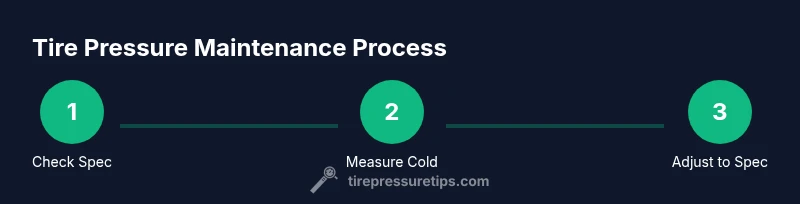
To safely manage tire pressure, first locate your vehicle’s recommended cold inflation value from the door placard or manual. Use a tire gauge to check all tires, inflate or deflate to spec, and recheck while tires are cold. Then monitor TPMS alerts and temperature-related changes to avoid under- or overinflation.
Understanding tire pressure and the phrase tire pressure 15
Tire pressure is the air force inside a tire, usually measured in psi (pounds per square inch). The exact value you should run depends on your vehicle, tire size, and load. The search term tire pressure 15 often appears because people assume all tires must be inflated to 15 psi, which isn’t correct for most cars. In reality, modern vehicles use a specific cold inflation pressure printed on a placard near the driver's door or in the owner’s manual. The Tire Pressure Tips team notes that the best first step is to locate this spec and treat it as your inflation target, not a generic number. Keep in mind that temperature, driving conditions, and tire wear can shift readings, so your target may need periodic adjustment within the manufacturer’s range.
Key takeaway: Always start with the official spec rather than a generic number. This keeps wear even and handling predictable, two core goals of tire pressure maintenance.
How to locate the correct tire pressure for your vehicle
The official recommendation usually comes as a pair of numbers (one for front tires, one for rear), or a single value for symmetric setups. Look for the door jamb placard on the driver’s side, or consult the owner’s manual. Some vehicles also list different values for different tire sizes; if you’ve installed aftermarket tires, verify the new spec with the tire shop or the vehicle manufacturer. Remember: the correct tire pressure is defined when the tires are cold, meaning the car hasn’t been operated for several hours. If you’re towing, carrying heavy loads, or driving aggressively, your target range might shift, but only within the manufacturer’s stated limits. The goal is even wear, balanced handling, and fuel efficiency.
Brand note: Tire Pressure Tips emphasizes checking the placard first, then confirming with the manual for any model-specific nuances.
How to measure tire pressure accurately
Before you measure, make sure tires are cold. Remove the valve cap, place the gauge squarely on the valve stem, and take a reading quickly to minimize heat buildup. Digital gauges tend to be easier to read; dial gauges are robust and affordable. Compare the reading to the target on your placard. If you’re low, add air in small increments; if you’re high, release air until you hit the spec. Recheck all tires after adjustments. Afterward, replace valve caps and, if applicable, reset TPMS if your system requires a manual reset after inflation. Keep a small notebook or app log to track readings over time.
Tip: A quick post-inflation recheck helps catch slow leaks or imperfect seals before a long trip.
Common mistakes when checking tire pressure
- Reading hot tires: After driving, readings are higher and misleading. Always measure cold for accuracy.
- Using damaged or inaccurate gauges: This leads to wrong inflation. Calibrate or replace a faulty gauge.
- Ignoring the spare tire: Many vehicles have a recommended pressure for the spare; check it regularly.
- Not checking all four tires equally: A mismatch can cause handling issues.
- Overinflating to a number that isn’t in the spec: This wears the center tread and can reduce grip.
Pro tip: Log each tire’s pressure and the date to spot slow leaks early.
The impact of temperature, load, and driving conditions
Ambient temperature affects tire pressure readings. Colder weather generally lowers readings, while heat from driving temporarily raises them. A heavy load or high-speed driving also nudges pressure up as tires heat. TPMS helps flag out-of-range conditions, but it can’t replace a precise gauge check. In climates with wide temperature swings, check pressures more often, especially before long trips or seasonal transitions. Consistency in readings is a better predictor of tire health than a single number.
Note: Temperature-driven changes do not replace the need to follow the vehicle’s stated target range.
TPMS explained: how sensors help you maintain correct pressure
TPMS provides two general types: direct sensors measure real-time pressure and transmit data to the car’s computer; indirect TPMS estimates pressure using wheel speed sensors. Either way, a warning light appears when a tire’s pressure deviates from the target range. Remember that TPMS readings reflect current conditions, not the long-term target. Always confirm with a physical gauge and align with the manufacturer specification.
Brand insight: Tire Pressure Tips repeatedly emphasizes using TPMS as a supplement, not a replacement for manual checks.
Vehicle types and their pressure ranges
Different vehicle classes require different pressure targets. Passenger cars, SUVs, and light trucks each have unique specs, often differing between front and rear axles. If you drive a vehicle with performance or run-flat tires, consult the tire manufacturer’s data to ensure you stay within the recommended range for your wheel size. Never exceed the maximum printed on the tire sidewall, and always keep readings within the vehicle’s stated limits. Regular rotation and inspection help distribute wear evenly and preserve handling.
Practical tip: Always verify with the placard and the tire sidewall when in doubt.
Step-by-step practical guide to bring tires to spec
- Locate the target pressure from the door placard or manual. 2) Ensure tires are cold before measuring. 3) Remove valve caps and measure with a reliable gauge. 4) Inflate or deflate in small increments to reach the target. 5) Recheck each tire after adjustments. 6) Replace valve caps and log the results.
Estimated time: 15-25 minutes for four tires, plus a quick spare check.
Tools and materials you’ll need (summary)
- Tire pressure gauge (digital or analog)
- Air compressor or access to an air-fill station
- Vehicle owner’s manual or door placard
- Optional: logbook or mobile app for tracking readings
This summary mirrors the detailed ToolsMaterials block for quick reference, ensuring you’re prepared before you start.
Authoritative sources
- https://www.nhtsa.gov/equipment/tires
- https://www.nhtsa.gov/road-safety/tires
- https://www.fueleconomy.gov/feg/maintain.jsp#TirePressure
FAQ: tire pressure 15 questions
- What is the ideal tire pressure for my car?
- Should I check tire pressure when tires are hot or cold?
- Can TPMS replace gauge checks?
- What happens if I drive with underinflated tires?
- How often should I check tire pressure?
- Is 15 psi a safe pressure for any tire?
Tools & Materials
- Tire pressure gauge(Digital or analog, ensure accuracy within ±1 psi; calibrate regularly)
- Air compressor or access to fill station(Prefer a gauge-connected compressor to minimize overfilling risk)
- Vehicle owner’s manual or door placard(Used to locate the manufacturer’s recommended cold inflation pressure)
- Notebook or logging app(Record readings over time for trend analysis)
- Valve cap tool or small brush(Clean valve stems to ensure accurate readings)
Steps
Estimated time: 15-25 minutes
- 1
Find the recommended cold inflation pressure
Locate the target pressure on the door placard or in the owner’s manual. Note any differences between front and rear tires or between different tire sizes. This is your inflation target.
Tip: Take a photo of the placard for quick reference later. - 2
Ensure tires are cold before measuring
Park in shade and avoid driving for several hours before measurement so readings reflect the true cold pressure.
Tip: If you cannot wait, perform the check after a short drive and re-check once tires have cooled. - 3
Measure with a reliable gauge
Remove the valve cap, place the gauge squarely on the valve stem, and read the pressure quickly to avoid heat buildup.
Tip: Prefer digital gauges for easier reading and consistency. - 4
Inflate or deflate to target
Add or release air in small increments until all tires read at or within the target range. Be especially careful not to overshoot the spec.
Tip: Check one tire, then re-check others to ensure even wear. - 5
Recheck and secure
Re-measure after adjustments and reinstall valve caps. If equipped, confirm TPMS status.
Tip: Log final numbers to monitor leaks over time. - 6
Check the spare tire pressure
Don’t forget the spare; many spares have different requirements and should be checked regularly.
Tip: Keep the spare at the vehicle’s recommended pressure to ensure readiness.
Frequently Asked Questions
What is the ideal tire pressure for my car?
The ideal pressure is the vehicle manufacturer’s spec, usually found on the door placard or in the manual. It can vary by model and tire size.
Check the placard, not a general number, to find your exact target.
Should I check tire pressure when tires are cold?
Yes. Cold readings are the most accurate because heat from driving increases pressure.
Always check when the tires are cold for the correct reading.
Can TPMS replace manual tire pressure checks?
TPMS warns you of deviations but does not replace regular gauge checks for accuracy.
TPMS is helpful, but you should still verify with a physical gauge.
What happens if I drive with underinflated tires?
Underinflation can cause faster wear, reduced fuel efficiency, and increased heat buildup.
It’s unsafe and can shorten tire life.
How often should I check tire pressure?
Check at least once a month and before long trips, especially if the weather changes.
Regular checks prevent surprises on the road.
Is 15 psi safe for any tire?
Only if your manufacturer spec requires 15 psi; otherwise follow the placard.
Always follow the car’s stated pressure, not a number like 15 psi.
What to Remember
- Find your exact spec from placard/manual
- Check cold tires with a reliable gauge
- Inflate/deflate to spec and recheck
- TPMS helps, but manual checks remain essential