Astra Tyre Pressure Guide: Check, Adjust, and Maintain
Learn how to check, adjust, and maintain Astra tyre pressure for safety, fuel efficiency, and longer tire life. Step-by-step guidance, TPMS insights, and practical maintenance tips.


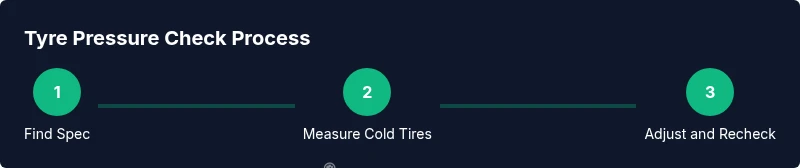
To optimize Astra tyre pressure, start with the recommended PSI shown on the door jamb placard or owner's manual, then verify with a reliable air pressure gauge. Check when tires are cold, adjust for load and seasonal temperature, and recheck after driving. Consistent, correct pressure reduces wear, improves handling, and can boost fuel efficiency.
Understanding Astra Tyre Pressure and Its Impact
Astra tyre pressure refers to the internal air pressure in each tire, typically measured in PSI (pounds per square inch) or bar. Keeping the correct pressure is essential for safety, handling, tire wear, fuel economy, and ride comfort. When a tire is underinflated, the contact patch widens, heat buildup increases, and tread wear becomes uneven. Overinflation can reduce the tire’s footprint, create a harsher ride, and raise the risk of damage from road hazards. For most Astra models, the manufacturer specifies target pressures shown on the door jamb placard and in the owner’s manual; these values usually differ between front and rear tires. Always treat the manufacturer’s spec as the goal, not a hard limit, and adjust for load, driving style, and climate. Regular checks are quick, inexpensive, and a powerful safety and efficiency habit. The Tire Pressure Tips team emphasizes that steady, correct Astra tyre pressure is one of the simplest ways to improve safety and efficiency.
Finding the Right Pressure for Your Astra
To identify the correct pressure for your Astra, start with the door jamb placard on the driver’s door or consult the owner’s manual. The placard shows separate values for front and rear tires, and often includes notes about differences when the vehicle is loaded or when using a full-size spare. In many modern Astra variants, the front tires have one target pressure and the rear tires a slightly different one. Remember: the numbers are for cold tires. If you’ve just driven or parked in the sun, wait for the tires to cool before measuring. When in doubt, use the manufacturer specifications rather than “roughly what feels right.” The Tire Pressure Tips approach is to confirm exact numbers from official sources, then verify in real life with a gauge. Cross-check the spec against TPMS readings as you gain familiarity with your load and driving routine.
Tools and Measurements: Choosing a Gauge and When to Measure
Before you touch a tire, assemble the essentials: a reliable tire pressure gauge, access to an air source (a shop compressor or home unit), and the car’s official PSI specification. Digital gauges provide quick reads; dial gauges are durable and cost-effective. Make sure you’re measuring air pressure when the tires are cold—ideally after the car has been parked for at least a few hours. Keep a small notebook or smartphone note to track readings over time. Use the same gauge for consistency, and calibrate it periodically if possible. For Astra tyre pressure, note that small changes matter: 1–2 PSI can affect traction, wear, and efficiency. Always measure at the valve stem and avoid letting dirt contaminate the reading.
How to Measure Tyre Pressure Accurately
Approach the measurement with a calm, methodical routine. Remove the valve cap from the tire you’re testing, then firmly attach the gauge to the valve stem to obtain an accurate read. If air escapes while attaching, reseat the gauge and try again. Read the value on the gauge and compare it to the recommended pressure on the door jamb placard or in the manual. If the reading is low, inflate gradually until you reach the target; if it’s high, release air in small increments and recheck. Repeat for each tire to verify consistency. Take a minute for each tire to ensure accuracy and avoid over- or under-inflation.
Adjusting Pressure for Load, Speed, and Temperature
Your Astra tyre pressure may need adjustment based on how you drive and how heavily you load the vehicle. If you routinely carry passengers or cargo or plan a long highway trip, you might approach the higher end of the recommended range. Conversely, light loads and city driving may stay near the base spec. Temperature also plays a role: ambient temperature shifts affect the air inside tires, so check and adjust as part of a seasonal routine. Always stay within the manufacturer’s recommended range and avoid inflating to the maximum sidewall value as a habit. After adjusting, recheck all tires to confirm even inflation.
Temperature Effects and Seasonal Changes on Tyre Pressure
Seasonal temperature shifts influence tyre pressure in meaningful ways. Cold mornings can lower readings as air contracts; hot days can raise readings as air expands. The practical takeaway is simple: check pressure when tires are cold and adjust to stay within the recommended range. For drivers in regions with wide temperature swings, plan monthly checks and align readings with TPMS guidance. Consistency matters: a few PSI differences across a season can impact fuel economy, grip, and tread wear. Make Astra tyre pressure maintenance a standing item on your calendar, alongside tread depth checks and wheel alignment.
Safety and Maintenance Routine for Astra Tyre Pressure
Maintaining correct Astra tyre pressure is a core safety and maintenance habit. Regular checks help detect slow leaks from nails, punctures, or valve stem issues before they become costly repairs. If a TPMS warning lights up, take action promptly, as it can indicate underinflation or sensor problems. Use your gauge to verify readings, then adjust if necessary and recheck after a drive to confirm stability. Keep records and set reminders for seasonal checks, especially before winter driving or long road trips. Consistent pressure supports optimal fuel efficiency, even tire wear, and safe handling in all weather conditions.
Tools & Materials
- tire pressure gauge(Choose digital or analog; ensure measurement range covers your vehicle’s PSI range)
- air source (air compressor or access to pump)(Gas station compressor or home unit; ensure it can read in small increments)
- owner's manual or door jamb placard(Used to verify the exact Astra tyre pressure specification per tire)
- notebook or digital log(Optional but helpful for tracking readings and trends over time)
Steps
Estimated time: 15-25 minutes
- 1
Identify the correct pressure specification
Locate the recommended front and rear pressures on the door jamb placard or in the owner’s manual. Note any differences when the car is loaded. Record these targets for reference during your check.
Tip: Use the same source (placard or manual) to avoid confusion between front and rear tires. - 2
Ensure tires are cold before measuring
If you’ve driven recently, wait until the tires cool down (typically several hours). Measuring when hot gives inflated readings that don’t reflect the true cold target.
Tip: Cold readings are more stable and match the manufacturer’s spec. - 3
Remove valve caps and prepare your gauge
Take off the valve cap and keep it in a safe place. Attach your gauge firmly to the valve stem to prevent air leaks during measurement.
Tip: If air leaks during attachment, reseat the gauge and try again for a clean seal. - 4
Read the pressure with your gauge
Read the number on the gauge and compare it to the target. If the reading is off, plan the necessary adjustment before driving again.
Tip: For accuracy, wipe the valve stem and gauge tip to remove dust or moisture. - 5
Inflate or deflate to reach the target
If the tire is low, add air gradually in small increments and recheck after each addition. If it’s high, release air in small amounts and recheck.
Tip: Avoid overinflation in one go; incremental adjustments reduce overshoot risk. - 6
Recheck the inflated tire
After adjustment, recheck the tire to confirm the target is reached. Repeat for any tires that were off.
Tip: Rechecking ensures uniformity across all tires and prevents uneven wear. - 7
Check all four tires
Repeat the process for each tire, including the spare if you regularly drive with it in place. Consistency across all tires matters.
Tip: Don’t neglect the spare; it should be ready for use if needed. - 8
Document readings and schedule next check
Log the final pressures and set a reminder for regular checks, especially before trips or seasonal changes.
Tip: Regular logging helps you spot slow leaks early.
Frequently Asked Questions
What is Astra tyre pressure and why does it matter?
Astra tyre pressure is the air pressure inside each tire, typically measured in PSI or bar. Correct pressure improves safety, handling, wear, and fuel efficiency. Use the manufacturer’s recommended values on the placard or in the manual for best results.
Astra tyre pressure is the air inside your tires. Keep it at the manufacturer’s recommended level for safety and efficiency; check with a gauge and adjust as needed.
Where can I find the Astra tyre pressure specification?
Check the door jamb placard on the driver’s side or refer to the owner's manual. Front and rear tires may have different targets, and measurements are for cold tires.
Find the spec on the door placard or in the manual; note there may be different targets for front and rear tires.
Can TPMS warnings be ignored if tires look fine?
No. A TPMS warning typically signals underinflation or a sensor issue. Check with a gauge and adjust as needed, then recheck after driving.
No. TPMS warnings should be addressed with a check using a gauge and possible service if readings don’t align.
Is it safe to inflate beyond the placard value to improve handling?
No. Do not exceed the manufacturer’s recommended range; overinflation can reduce traction and cause a harsh ride or damage.
No. Stick to the recommended range; overinflating can hurt handling and ride comfort.
How often should I check tire pressure?
Check at least once a month and before long trips, and whenever the weather changes significantly or you notice handling changes.
Check monthly and before long trips, especially when temperatures shift.
What should I do if I can't access a gauge?
Use any available gauge at a service station or visit a tire shop for a quick pressure check. Rely on the placard and manual for the target.
If you can’t gauge pressure, visit a service station or tire shop and compare to the target on the placard.
Does Astra require higher pressure when carrying heavy loads?
Under heavier loads, you may need to be closer to the high end of the recommended range. Do not exceed the upper limit; monitor tires for wear.
A heavier load may push you toward the higher end of the spec, but don’t go beyond the limit.
Should I check tire pressure after a long trip?
Yes. After extended driving, especially on hot days, recheck to ensure the tires have settled at the correct pressure.
Yes—recheck after long trips to ensure readings are stable.
Watch Video
What to Remember
- Check cold tires first to match spec
- Stay within manufacturer PSI range
- Use a reliable gauge for accuracy
- Adjust for load and temperature as needed
- Document readings for trend tracking