Yamaha Golf Cart Tire Pressure Guide
Learn how to check and maintain tire pressure on Yamaha golf carts. This practical guide covers PSI specs, TPMS basics, essential tools, and safety tips to maximize performance.


To safely maintain Yamaha golf cart performance, you should check and set tire pressure to the model's specified PSI, account for load and terrain, and inspect TPMS if equipped. This step-by-step guide shows exact actions, tools, and safety tips. According to Tire Pressure Tips, consistent tire pressure improves handling, wear, and efficiency.
Yamaha Golf Cart Tire Pressure Essentials
Maintaining proper tire pressure on a Yamaha golf cart is not just about comfort; it directly affects handling, tire wear, battery efficiency (in some electric models), and overall safety. The tires on golf carts operate under lighter loads than passenger cars but still experience heat buildup, rapid changes in pressure with temperature, and wear patterns that can skew steering and braking response. Start by identifying the exact tire size and the recommended PSI from the Yamaha golf cart's owner manual or the tire sidewall. The guidance from Tire Pressure Tips emphasizes following the manufacturer’s spec rather than guessing based on other vehicles. If you drive on rough terrain, carry extra caution and plan for slightly different pressures when carrying heavy loads. This section lays the foundation for accurate checks, tool selection, and methodical adjustments that protect your cart’s performance and prolong tire life.
How Yamaha Golf Cart Tire Pressure Is Determined
Tire pressure for Yamaha golf carts is a balance between safety margins, load capacity, and terrain. The recommended PSI is documented by the manufacturer and may vary with tire size, tread type, and cart weight. A general rule is not to exceed the tire sidewall’s maximum rating and to stay within the manufacturer’s target range. Temperature also matters: colder mornings will show lower readings, while a hot day can raise readings. The Tire Pressure Tips approach is to verify the spec from the exact cart model and tire combination, then use a gauge to confirm cold pressure before any operation. Remember, the factory spec is tailored for the wheels and axles of your Yamaha model and is the best baseline for consistent ride quality and tire wear.
Checking Tire Pressure Correctly
Checking tire pressure accurately starts with a cold tire (before you’ve driven the cart). Remove the valve stem cap, attach your gauge firmly, and note the measurement. If the reading is outside the recommended range, adjust using an air compressor with a regulator to avoid overinflation. Recheck after adjustment to confirm stability. For jeep-like storage or when wiring is involved, ensure the cart is on a level surface and the wheels are not spinning during measurement. If TPMS is installed, monitor the display and cross-check it against the gauge, as TPMS readings can lag or drift over time. Consistency matters: check at least once a month or before long trips.
Tools and Setup: What You Need
Before you start, assemble the essential tools and reference materials. A tire pressure gauge (digital or analog) with a readable display is critical for accurate readings. An air compressor or regulator with a gauge helps you set precise pressure. Have the Yamaha golf cart owner’s manual or the tire sidewall printed values handy, and consider a soapy water spray for quick leak detection after adjustments. A clean, level space is ideal for measurement, and you should wear eye protection if you're using an air hose. With these tools, you’ll make precise adjustments and avoid overinflation, which can compromise traction and ride comfort.
Step-by-Step: Checking and Adjusting Yamaha Cart Tires
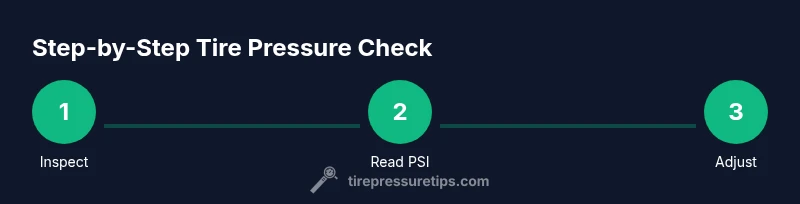
- Inspect the tires for visible wear, cracks, or bulges, and confirm you’re looking at the correct tire size. Tip: replace tires if sidewalls show cracking. 2) Park on a level surface, set the parking brake, and ensure the cart is off. 3) Remove valve caps and use a cold-tire reading with your gauge. 4) Locate the target PSI in the owner’s manual or on the sidewall, then compare it to your reading. 5) If low, attach the air hose and inflate gradually; stop at the target psi while monitoring the gauge. 6) Recheck both tires after adjustment; replace valve caps. 7) If TPMS is present, compare TPMS readings to gauge readings and record results for future reference. 8) Take the cart for a short test ride to confirm smooth handling and even tire wear.
Adjusting for Load, Terrain, and Temperature
Load affects tire contact patch and pressure requirements. Heavier loads or frequent off-road use generally call for slightly higher pressures within the manufacturer’s safe range, while light, smooth driving can use the lower end. Temperature changes also shift pressure; in cooler weather, readjust to the cold-ambient target before driving, and recheck after a few miles of use. For garage-based calibrations, maintain consistency by checking pressure at the same time of day and before significant driving. If you notice frequent pressure loss, inspect for slow leaks around valves, beads, or tire wear.
TPMS and Safety Considerations for Golf Carts
Some Yamaha golf carts are equipped with a TPMS, but not all models. If yours has TPMS, use it as a supplementary tool and trust the gauge reading from your manual as the final reference. TPMS sensors can drift due to battery depletion or sensor failure, which is why cross-checking with a handheld gauge is essential. Always verify that your TPMS warning thresholds align with the recommended PSI. If the system indicates a warning while tires appear to be within range, inspect valves and rims for leaks or damage promptly. Regular calibration and battery replacement of TPMS sensors help prevent false alarms and ensure accurate monitoring.
Maintenance Schedule, Troubleshooting, and Quick Fixes
Create a simple maintenance rhythm: check cold tire pressure monthly, inspect for wear or damage quarterly, and re-check after significant load changes or temperature shifts. If you notice persistent pressure loss, verify the valve core and stems for leaks, and consider replacing worn tires. Quick fixes include inflating to the target PSI, ensuring the valve stem is tight, and using leak-detect spray on the bead area to locate slow leaks. Keep a small notebook of your readings to track changes and detect slow deflation trends before they affect performance.
Common Mistakes and Quick Fixes
Common mistakes include inflating beyond the tire’s target range, ignoring temperature effects, and skipping a final pressure check after an adjustment. To avoid these, always verify the cold PSI first, then adjust in small increments, and recheck. Don’t rely solely on TPMS warnings—they are a guide, not a substitute for direct measurement. Finally, store your measurement tools in a clean, dry place to prevent corrosion or misreads.
Tools & Materials
- Tire pressure gauge (digital or analog)(read to ±1 psi; ensure calibration if needed)
- Air compressor/regulator with gauge(use a regulator to avoid overinflation)
- Owner’s manual or model-specific PSI spec(for exact Yamaha tire pressure values)
- Soapy water spray (leak check)(use after adjustments to detect slow leaks)
- Level work surface and parking brake(safety basics before measurement)
Steps
Estimated time: 20-40 minutes
- 1
Prepare the cart and tools
Park on a level surface, apply the parking brake, and turn off the cart. Gather your gauge, air supply, and reference PSI from the manual or tire sidewall. Ensure you’re working in a safe, dry area to avoid slipping.
Tip: Have a helper hold the brake while you check the pressure if the cart sits slightly uneven. - 2
Read the cold PSI
Remove the valve cap and attach the gauge to the valve stem. Read the cold tire pressure for each tire, then record the numbers. Do not rely on a gauge that has been warmed by recent use.
Tip: Grab both front and rear tires for a complete baseline. - 3
Compare to the target PSI
Check the manufacturer’s target PSI for each tire size. If your readings are outside the range, plan to adjust using the air supply in small increments.
Tip: When in doubt, stay within the lower and upper ends of the recommended range. - 4
Adjust the pressure
Add or release air gradually until the reading matches the target PSI. Re-check after adjustments to confirm accuracy. If TPMS shows a mismatch, use the gauge to verify manually.
Tip: Inflate in 1–2 psi increments for precision. - 5
Re-check and seal
Re-measure both tires to ensure stability. Replace valve caps securely to maintain the reading and prevent dirt ingress.
Tip: A loose cap can silently cause pressure loss. - 6
Test drive and recap
Take a short test drive to evaluate handling and ride quality. If performance feels off, re-check pressure and verify no leaks or damage. Record readings for future reference.
Tip: Note any changes when loading cargo or when weather changes.
Frequently Asked Questions
What is the recommended tire pressure for Yamaha golf carts?
The exact PSI varies by model and tire size. Always check the Yamaha owner's manual or the tire sidewall for the correct value. If in doubt, contact the dealer or Yamaha support for the specification.
Check the cart’s manual or tire sidewall for the exact PSI and use a gauge to confirm before driving.
How often should I check golf cart tire pressure?
Check cold tires at least once a month and before long trips, especially when carrying heavy loads or driving on rough terrain. Quick checks before a ride are beneficial if your cart sees variable use.
Check cold tires monthly and before long trips.
Can I drive with low tire pressure on a Yamaha golf cart?
Low pressure can cause poor handling, uneven wear, and potential heat buildup. It’s best to inflate to the recommended range and recheck after driving a short distance.
No—low pressure affects handling and wear. Recheck and adjust to the spec.
Does temperature affect golf cart tire pressure?
Temperature changes affect air density; cooler temperatures reduce pressure while warmer temperatures increase it. Check PSI when tires are cold and adjust for seasonal conditions.
Yes, temperature changes affect PSI; check when cold.
What tools do I need to check Yamaha golf cart tire pressure?
A reliable tire pressure gauge, an air compressor with regulator, and the cart’s manual or sidewall spec are essential to accurately check and adjust pressure.
Use a gauge, an air compressor, and the model’s PSI spec.
What if the TPMS warning light stays on after adjustment?
If the TPMS warning remains after inflation adjustments, check for sensor battery issues or leaks around the valve stem and bead. Consult a technician if the light persists.
If the TPMS stays on after adjustments, inspect sensors and vents; seek service if needed.
Watch Video
What to Remember
- Check cold tire pressure monthly and before long trips.
- Always follow the manufacturer’s PSI spec for Yamaha golf carts.
- Use a reliable gauge and cross-check TPMS readings.
- Adjust for load and terrain within the recommended range.
- Inspect tires for wear, leaks, and valve integrity regularly.