Tyre Pressure Guide for Citroen C1: Check, Adjust, and Maintain
Learn how to check and maintain tyre pressure on the Citroen C1. This guide covers where to find the official pressures, how to measure accurately, TPMS basics, seasonal considerations, and practical maintenance tips.


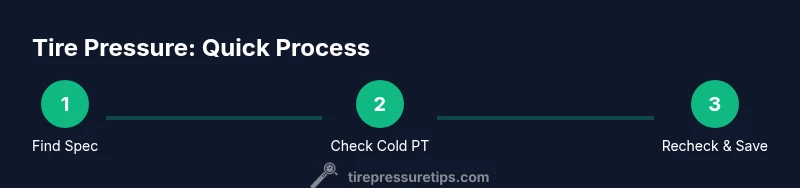
According to Tire Pressure Tips, maintaining correct tyre pressure on a Citroen C1 improves safety, fuel efficiency, and tyre life. This quick guide shows how to locate the recommended pressures, check cold tyres, and adjust using a pump or air compressor, plus TPMS basics so you understand warning lights. You’ll learn where to find the official specs, how to perform a cold-tyre check, and steps to keep pressure correct with simple monthly checks.
Why tyre pressure matters for the Citroen C1
Maintaining correct tyre pressure is more than a daily habit; it directly impacts safety, handling, and efficiency on a Citroen C1. Underinflated tyres wear unevenly and can overheat, increasing the risk of blowouts during city driving or motorway cruising. Overinflation, meanwhile, reduces the contact patch with the road, diminishing grip in wet conditions and making the ride feel harsh. The Tire Pressure Tips team emphasises that proper pressure supports even wear, steadier braking, and predictable cornering, especially when carrying passengers or luggage. In addition, correct pressures help with fuel economy by reducing rolling resistance. Keep in mind that temperature, load, and driving style all influence tyre pressure, so regular checks are essential for consistent performance.
Tools & Materials
- digital tyre pressure gauge(Prefer a gauge with a clear LCD display and PSI/bar units; check both front and rear tires.)
- air compressor or access to an inflator(Allow for precise adjustments; many service stations offer air with built-in gauges.)
- owner’s manual or door placard for Citroen C1(Provides the official cold tyre pressures for front and rear tyres under typical load.)
- rag or cloth(Useful to wipe valve stems and gauge port before taking readings.)
Steps
Estimated time: 15-25 minutes
- 1
Find the official tyre pressures
Begin by locating the Citroen C1’s recommended cold pressures on the driver’s door placard or in the owner’s manual. Note separate values for front and rear tyres and consider higher pressures if you’re carrying a heavy load or planning a long highway trip. Remember, these values are for cold tyres; heat from driving will temporarily raise the reading.
Tip: Read both front and rear numbers and record them for quick reference during checks. - 2
Prepare the car and tools
Park on level ground, engine off, and allow tyres to cool for at least three hours if possible. Gather your gauge and inflator, and have a notebook handy to log readings. If you’re checking in cold weather, expect readings to be lower than summer values.
Tip: Avoid checking immediately after a long drive; hot tyres can give artificially high readings. - 3
Check each tyre’s current pressure
Remove the valve cap from each tyre and firmly press the gauge onto the valve stem to get a reading. Do this on all four tyres, including the spare if you use it regularly. Record each reading in PSI or BAR to compare with the recommended values.
Tip: If you hear leakage from the valve stem, inspect for damage or consider replacing the valve core. - 4
Adjust to the recommended pressures
Using your inflator, bring each tyre to its target pressure, starting with the tyre that’s furthest from the observer’s seat to avoid over-inflating as you move around the car. Recheck after inflation to confirm accuracy.
Tip: Never exceed the maximum pressure printed on the tyre sidewall. - 5
Re-check and verify TPMS status
If your TPMS light was on, inflate to the recommended cold pressure and then drive a short distance to allow the system to recalibrate. If the light remains on after reaching spec, there may be a sensor issue or a slow leak.
Tip: If in doubt, consult your Citroen dealer or a qualified technician for a TPMS diagnosis. - 6
Document and schedule regular checks
Log your readings and set a reminder to repeat the check monthly or before long trips. Seasonal changes, load shifts, and tyre wear can alter optimal pressures over time.
Tip: A quick monthly check saves fuel, extends tyre life, and improves safety.
Frequently Asked Questions
Where can I find the official Citroen C1 tyre pressure recommendations?
The official pressures are listed on the driver’s door placard and in the owner's manual. These values reflect cold tyre conditions and may vary with load.
Check the door placard or your owner’s manual to confirm the correct pressures for your Citroen C1.
Why does my TPMS light come on after inflating?
TPMS may remain on if the system detected a leak, a slow leak, or a sensor issue. After inflating, drive a short distance to allow recalibration; if it stays on, have the system inspected.
If the light stays on, there may be a sensor or leak problem; have it checked by a professional.
Is it safe to drive with low tyre pressure before I inflate?
Driving on underinflated tyres can affect steering, braking, and tyre wear. It’s best to inflate to the recommended level before continuing your journey.
Avoid driving long distances with low pressure; inflate to the recommended amount as soon as you can.
Should I check tyre pressure when tyres are hot or cold?
Always check tyres when they’re cold for the most accurate reading. Heat from driving raises pressure readings temporarily.
Check when tyres are cold for the right numbers.
What should I do if I don’t have a tyre pressure gauge?
Use a local petrol station with an air pump that has a built-in gauge, or ask a mechanic to check the pressures for you. Compare readings to the placard values.
If you don’t have a gauge, go to a gas station or service centre to check the pressures.
Watch Video
What to Remember
- Check the door placard for Citroen C1 pressures before inflating
- Always measure cold tyres for accurate readings
- Inflate to the recommended pressures, not the visual appearance
- Recheck after inflation and maintain a monthly check routine
- Understand TPMS signals and know when to seek professional help