Subaru Forester Tire Pressure Guide
Learn how to check and adjust tire pressure on a Subaru Forester. Practical steps, TPMS tips, and maintenance for safer driving, better fuel economy, and longer tire life.


By the end of this guide, you will confidently check and adjust tire pressures on your Subaru Forester, understand TPMS signals, and maintain correct pressures for safety and efficiency. You’ll locate the recommended PSI on the door placard or owner's manual, use a gauge, and add or release air as needed. No guesswork required.
Why Tire Pressure Matters for the Subaru Forester
Maintaining correct tire pressure is essential for safety, handling, and overall vehicle performance. For a Subaru Forester, properly inflated tires improve fuel economy, reduce uneven wear, and help you maintain optimal grip in varying road conditions. Underinflated tires generate more heat, wear out faster, and can compromise steering response, especially in wet or snowy weather. According to Tire Pressure Tips Analysis, 2026, staying within the manufacturer-recommended range helps maximize efficiency while preserving tread life. In this guide we reference the Subaru Forester’s tire pressure guidance, but the core principles apply to most passenger SUVs. The key is to start with the official spec on the placard and verify any load-specific adjustments when you’re carrying passengers or gear. For many drivers, tire pressure is a quick, repeatable maintenance task that pays dividends in safety and comfort on every trip.
Finding the Correct Pressure for Your Forester
The correct tire pressure for a Subaru Forester is shown on two primary sources: the door jamb placard and the owner’s manual. The placard usually lists separate front and rear pressures and may include a different value for a full load or for seasonal tires. Modern Forester models with TPMS will alert you to pressure changes, but the exact target should be your starting point. If you’ve replaced tires or changed wheel sizes, consult the tire information label located near the fuel door or in the owner’s manual to confirm the correct PSI. Using the manufacturer’s recommended values helps balance ride comfort, tire wear, and handling. Always check the pressures when tires are cold for the most accurate reading, and account for any seasonal or load-related adjustments the placard specifies.
Temperature Effects on Forester Tire Pressure
Tire pressure changes with temperature. For every 10°F change in ambient temperature, tire pressure can change by about 1 psi. In colder months or climates, you’ll typically see a drop in pressure, which can affect steering feel and fuel economy if left uncorrected. When temperature swings are dramatic, check pressures more frequently and adjust to the recommended values after the vehicle has been parked long enough to cool. This practice helps prevent driving with underinflated tires during winter and ensures better fuel efficiency in the shoulder seasons.
Understanding TPMS and Pressure Notifications
TPMS (Tire Pressure Monitoring System) provides real-time feedback about tire pressure, but it doesn’t replace manual checks. A TPMS alert often means at least one tire is below the recommended pressure, but readings can be influenced by recent changes, temperature, or sensor calibration. Use TPMS as a first warning, then verify with a gauge. If the TPMS light stays on after you inflate to the target, there could be a slow leak, a damaged valve stem, or a sensor issue that requires service. Regular manual checks complement TPMS and help you catch slow leaks early.
How to Check and Adjust Pressure Safely
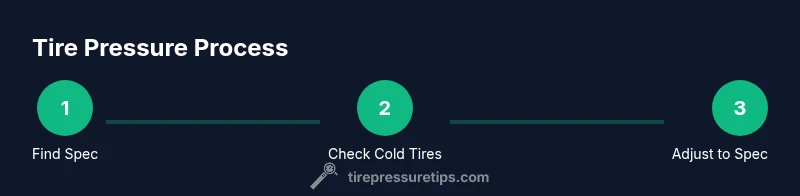
Checking and adjusting tire pressure on a Subaru Forester is a straightforward, repeatable task. Start with cold tires, locate the correct PSI on the placard, use a reliable gauge, and adjust as needed. After inflating, recheck to confirm you’ve reached the target. If you’re unsure, take a few minutes to remeasure after a short drive to let the tires settle back to normal temperature. Proper inflations supports even tread wear, stable handling, and improved efficiency.
Common Scenarios and Troubleshooting
Low tire pressure is common after long road trips or in cold weather, and it can occur unevenly across the four tires. If one tire is consistently low, there may be a slow leak, a faulty valve stem, or a bead seal issue. Ensure the spare tire is also checked periodically; many drivers forget about the spare, but it should be kept within the recommended range for emergencies. If you notice the TPMS warning persists after inflating all tires to spec, consult your dealer or a tire professional to inspect sensors and seals. Regular checks prevent unexpected flats and improve overall safety.
Tools & Materials
- Tire pressure gauge(Digital or dial gauge; reads to at least 0.5 psi for accuracy)
- Air compressor or access to air supply(Prefer a gauge-equipped compressor or an automated station readout)
- Owner's manual or door jamb placard(Primary reference for correct PSI per tire position)
- Valve caps (and removal tool, if needed)(Keep caps tight to prevent leaks; optional tool helps with stubborn caps)
- Notebook or digital log(Record pressures and dates for trend tracking)
Steps
Estimated time: 15-25 minutes
- 1
Find the recommended tire pressure
Locate the Forester’s target PSI on the driver’s door placard or in the owner’s manual; note differences for front/rear and load conditions.
Tip: Write down front and rear values; they may differ for some models. - 2
Check tires when cold
Park for several hours after driving or check first thing in the morning to avoid heated readings.
Tip: Cold readings are the baseline; warm tires show higher pressure. - 3
Remove valve cap and attach gauge
Take off the valve stem cap, place the gauge squarely, and take a reading.
Tip: Ensure the valve stem is clean to avoid inaccurate readings. - 4
Compare reading to the spec
If below spec, add air until you reach the target; if above, release air gradually and recheck.
Tip: Recheck after adjustments to confirm accuracy. - 5
Adjust all tires
Repeat the measurement and adjustment for each tire, including the spare if you routinely drive with it installed.
Tip: Tires can differ front-to-back; use the placard values as your guide. - 6
Replace valve caps and record results
Screw the caps back on snugly and log the pressures for future reference.
Tip: A simple log helps track seasonal changes and pressure drift. - 7
Check TPMS status
If TPMS shows a warning after inflating, perform a final check and consider sensor inspection if it remains active.
Tip: Persistent TPMS warnings may indicate a faulty sensor or leak.
Frequently Asked Questions
Where can I find the recommended tire pressure for my Subaru Forester?
Check the driver’s door jamb placard or the owner’s manual for the official PSI. The placard typically lists front and rear values and may note load adjustments. If you’ve replaced tires or wheels, confirm the spec in the manual.
Look on the door jamb placard or in the manual for the exact PSI values for front and rear tires.
Why is my TPMS warning light on even after inflating to the spec?
TPMS can stay on if a tire has a slow leak, a faulty sensor, or if the system hasn’t calibrated after inflation. Recheck pressures and consider sensor inspection if the light remains.
The TPMS light can stay on due to slow leaks or sensor issues; verify pressures again and check sensors if needed.
How often should I check tire pressure?
Check at least monthly and before long trips, especially when temperature swings are large. Always measure when tires are cold for accuracy.
Aim to check monthly and before trips, especially with seasonal changes.
Can cold weather affect tire pressure?
Yes. Colder temperatures reduce PSI, so pressures tend to drop in winter. Recheck and adjust after temperature shifts to maintain safe levels.
Yes, cold weather lowers tire pressure; check and adjust as needed.
Should I inflate all four tires the same, or can pressures differ?
Follow the placard; front and rear pressures can differ. Some models have different targets depending on load, so default to the spec for your vehicle.
Follow the placard; some cars have different front and rear targets.
What about the spare tire?
Yes—check the spare periodically and ensure it’s inflated to the recommended level or to a safe operating pressure for use if needed.
Don’t forget to check the spare; keep it properly inflated.
Watch Video
What to Remember
- Know the Forester PSI from placard/manual
- Check tires when cold, not after a drive
- Use a gauge to confirm readings
- Address low pressure promptly to protect tires