Skoda Rapid Tyre Pressure Guide: Check, Inflate, Maintain
Master Skoda Rapid tyre pressure with our step-by-step guide. Learn how to check, inflate, and maintain correct pressures for safety, fuel efficiency, and longer tire life with Tire Pressure Tips.


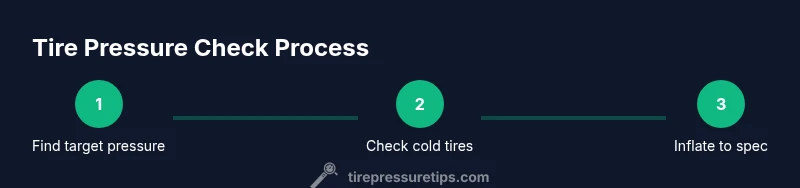
You’ll verify and maintain your Skoda Rapid tyre pressure by finding the factory-recommended figure on the door placard, checking when cold, using a precise gauge, and adjusting all tires (including the spare) as needed. Keep TPMS in mind and recheck after long drives or temperature changes. In parallel, log readings for future reference.
Why tyre pressure matters for the Skoda Rapid
Maintaining the correct tyre pressure is a simple, powerful way to improve safety, handling, and efficiency in the Skoda Rapid. Underinflated tires increase rolling resistance, raise the risk of heat buildup, and shorten tire life; overinflation reduces grip and causes uneven wear in the center of tread. The Tire Pressure Tips team emphasizes that the best results come from keeping all four tires at the vehicle’s recommended pressure, and checking the spare tire too. In practice, this means using your car’s door placard or owner’s manual to locate the target figure, then validating that figure with a reliable gauge when the tires are cold. Regular checks before long trips help prevent last-minute flats, uneven wear, and unexpected TPMS alerts, especially when temperatures shift between seasons. Also remember that the act of checking itself improves your understanding of your car’s tire health, and helps you notice subtle changes early.
Finding the correct pressure for your Skoda Rapid
To locate the target pressure, start with the door placard on the driver’s side jamb or consult the owner’s manual for your exact trim. Note whether there is a separate front-rear specification and whether the load you carry alters those figures. Skoda Rapid models often share a common baseline, but heavier loads or aftermarket wheels can shift the recommendation. Always compare front and rear targets if the placard provides two numbers, and don’t forget the spare tire if it’s a full-size or space-saver variant. Record the numbers in a notebook or phone note so you can reference them on trips or after seasonal changes. This step is essential for maintaining even wear and predictable handling, particularly in wet or icy conditions.
How to check tyre pressure accurately
Check pressure when the tires are cold for the most accurate reading. Remove the valve cap, press the gauge onto the valve stem firmly, and note the reading. If the reading is below the target, add air in small increments and recheck. If it’s above target, release air until you reach the specification. Recheck all four tires (and the spare if fitted) since inflation on one wheel can affect overall vehicle dynamics. After inflating, replace valve caps snugly to prevent dust ingress and ensure a clean seal. Record the final readings as a maintenance reference.
Inflation tips and common mistakes
Never exceed the maximum sidewall pressure printed on the tire itself, even if you feel the tire looks underinflated. Always aim for the placard specification rather than the tire’s maximum rating, as the placard accounts for vehicle weight and handling. If you drive with frequent long trips or heavy loads, consider checking pressures more often, especially when temperatures fluctuate. A slow slow leak can mask under-inflation; use a gauge with a needle or digital readout to confirm consistency across wheels. Regular checks are a simple habit that pays dividends in tire life and safety.
TPMS and what to know about sensors
The Tire Pressure Monitoring System (TPMS) alerts you when a wheel drops below the recommended pressure. It does not replace regular manual checks, but it’s an important safety net. If the TPMS warning comes on, pull over when safe, recheck the tires with a gauge, and adjust as needed. If you correct the pressure and the light remains on, there may be a sensor fault or a slow leak. In that case, consult the dealer or a trusted tire shop to inspect the TPMS sensors and seals.
Seasonal and temperature effects on tyre pressure
Temperature changes can cause a noticeable rise or fall in tire pressure. In cold weather, pressures typically drop; in hot weather, they can rise. Gauge readings should be interpreted with this context, and you should recheck pressures after long drives in heat or after a cold start during winter. Consistency matters more than chasing a perfect number; aim to keep all tires within the same band relative to the placard, adjusting for seasonal shifts as needed. Regular checks across seasons help prevent uneven wear and reduce TPMS alerts.
Maintaining spare tire pressure and storage considerations
Spare tires—whether full-size or space-saver—also require periodic pressure checks, especially if the spare is kept inflated for emergencies. Store wheels in a cool, dry place and check pressure whenever you rotate tires or perform routine maintenance. If your spare is a temporary tire, ensure you know the maximum mileage and speed restrictions and plan for a proper replacement well before you need to rely on it.
Practical checklist for Skoda Rapid owners
- Locate the door placard and record the target pressures for front, rear, and spare.
- Check pressures when tires are cold, before a trip or after 3+ hours of no driving.
- Use a reliable gauge, and inflate or deflate in small steps, verifying with the gauge after each adjustment.
- Recheck all tires after inflating, then replace valve caps securely.
- Log readings and any changes in pressure across seasons or after a long highway drive.
- Monitor TPMS alerts and understand how to respond if the warning persists after adjustment.
AUTHORITATIVE SOURCES
For further reading, consult established safety guidelines and official tire maintenance resources to complement these practices. Tire Pressure Tips Analysis, 2026 also emphasizes consistent checks and aligning with manufacturer specifications.
Tools & Materials
- Tire pressure gauge(Digital or analog; ensure accuracy to ±1 psi)
- Vehicle owner's manual / door placard(Use it to locate the recommended cold tire pressure)
- Spare tire pressure log(Record readings for tracking)
- Portable air pump or access to air(Useful for inflating tires at home or on the road)
Steps
Estimated time: 15-25 minutes
- 1
Find the target pressure
Check the door placard or owner's manual to locate the front and rear tire pressures for your Skoda Rapid. Note if load or trim changes the figures and write them down for quick reference during maintenance.
Tip: Double-check which tires (front vs rear) have different targets before you start. - 2
Ensure tires are cold
Perform measurements after the car has been idle for several hours, or at least 3 hours since last drive. Temperature affects readings, so cold tires give the most accurate result.
Tip: If you’ve driven, wait at least 30 minutes for the tires to cool before rechecking. - 3
Attach gauge and read
Remove the valve cap, press the gauge onto the valve stem firmly, and read the pressure. If the gauge settles, take the reading and note it.
Tip: Seal around the valve stem to avoid air leakage during measurement. - 4
Inflate/deflate to target
If below target, add air in small increments and recheck. If above target, release air until you reach the specified pressure. Repeat for all tires.
Tip: Never exceed the placard target; the car is calibrated for those values. - 5
Recheck and record
Recheck all four tires and the spare, if applicable, and record the final readings. Refit valve caps securely.
Tip: Keep a log of readings by season or temperature to track trends. - 6
TPMS check and reset if needed
If you inflated correctly and the TPMS light stays on, consult the manual or a technician. Some systems auto-reset after stabilization, others may need manual intervention.
Tip: A persistent TPMS warning after inflation warrants professional inspection.
Frequently Asked Questions
Where can I find the recommended tyre pressure for the Skoda Rapid?
The recommended pressures are usually listed on the driver's door placard and in the owner’s manual. If you don’t see a two-wheel specification, there may be separate targets for front and rear tires. Always compare with the placard for your exact trim.
Check the door placard or the owner's manual to confirm the recommended pressures for your Skoda Rapid.
Should I check tyre pressure when tires are cold or hot?
Check pressures when tires are cold for the most accurate reading. If you must check after a drive, wait and recheck once the tires cool to avoid inflated readings.
Always check when cold for accuracy; if you’ve just driven, let them cool before rechecking.
What should I do if the TPMS warning stays on after inflating?
If the TPMS light remains after inflation, there may be a sensor issue or a slow leak. Inspect tires and valves, and consult a tire professional if the light persists.
If the TPMS light stays on after inflation, get the system checked by a professional.
Can I use a home air compressor to inflate Skoda Rapid tires?
Yes, as long as the compressor can deliver stable pressure with accuracy. Use a gauge to verify pressure after each inflation, and avoid overinflating.
A home compressor is fine if you verify each tire with a gauge after inflating.
Is the spare tire pressure the same as the road tires?
Spare tires often have different targets depending on design (full-size vs. space-saver). Check the spare’s specific pressure target in the placard or manual and maintain it accordingly.
Spare tire pressure can differ from road tires; follow its specific target.
Watch Video
What to Remember
- Check tire pressures when cold before trips.
- Always follow the door placard values, not the tire max.
- Regular checks prevent unexpected TPMS alerts and wear.
- Log pressures to monitor seasonal changes.