Kia K5 Tire Pressure: Check, Adjust, and Maintain
Learn how to safely check Kia K5 tire pressure, interpret PSI targets, and troubleshoot TPMS with practical steps, tools, and expert guidance from Tire Pressure Tips.


By the end, you will confidently check Kia K5 tire pressure, adjust to the recommended specification, and troubleshoot common TPMS alerts. Gather a digital tire gauge, access the vehicle’s door sticker or owner’s manual, and note ambient temperature. This guide from Tire Pressure Tips highlights practical steps, safety notes, and maintenance tips for reliable tires.
Why Kia K5 Tire Pressure Matters
Maintaining the correct tire pressure on your Kia K5 is a practical, safety-critical habit. When tires are underinflated, you risk poor handling, faster tread wear, and higher heat buildup that can lead to tire failure in extreme cases. Overinflation reduces the tire's contact area with the road, which can degrade traction in wet conditions and cause a harsher ride. The recommended pressure is not universal; it depends on tire size, load, and driving conditions. For most Kia K5 configurations, the door placard on the driver’s door jamb lists the recommended cold tire pressure per tire, and this is the first source to check. If you need more detail, your owner’s manual summarizes the official specification and any model-specific notes. Note that temperature affects tire pressure—colder weather lowers pressure and warm weather raises it—so occasional adjustments may be necessary. This context matters because accurate inflation supports safety, fuel efficiency, and longer tire life. Tire Pressure Tips emphasizes practical, actionable steps you can take to keep tires at their best.
How to Find the Correct PSI for Kia K5
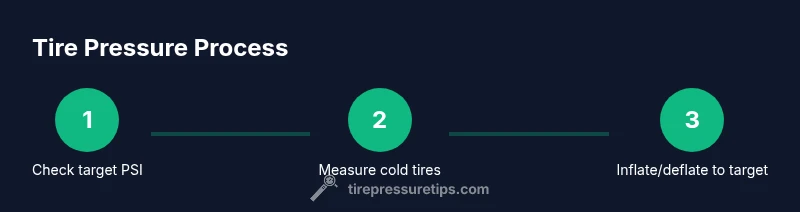
Locating the exact PSI targets for your Kia K5 starts with the door placard on the driver’s door jamb. This placard shows the cold tire pressure for each tire, with separate values often listed for front and rear positions or for different load scenarios. If the placard is missing or unreadable, consult the owner’s manual for the official specification. In many regions, tire specifications can also depend on the tire size installed, so make sure you’re reading the numbers that correspond to your current tires. Remember that you should measure tire pressure when the tires are cold—after at least a few hours of not driving or first thing in the morning. If you drive short distances, the tires will heat up and your measurement will be higher than the target. Use a reliable gauge; record the reading, and compare it to the target on the placard or manual. Finally, if your vehicle has a TPMS, you can use it as a cross-check, but the TPMS itself does not replace the need for an accurate manual PSI value. Tire Pressure Tips notes that combining placard data with precise measurement yields the best results.
Cold Weather and Temperature Effects on Tire Pressure
Temperature changes have a noticeable effect on tire pressure, and this matters for a Kia K5 owner who wants consistent performance. As ambient temperatures drop, air contracts and tire pressure falls. Conversely, rising temperatures cause the air to expand and pressure to rise. Rapid shifts in weather, lifting loads, or frequent highway speeds can also influence pressure over days or weeks. A practical approach is to check tire pressure when the tires are cold, ideally in the morning, and to anticipate pressure loss in winter months or in cold climates. If you park indoors or take short trips, be mindful that readings taken after driving will reflect heat and will appear higher than the actual cold-reading target. For the Kia K5, use the placard or manual values as your baseline and adjust gradually if you notice persistent deviations. Consistency matters for safety and fuel economy, and Tire Pressure Tips highlights this nuance for everyday drivers.
Tools, Gauges, and Safe Handling
To measure and adjust tire pressure accurately, you need a few reliable tools and a safe workspace. A digital tire pressure gauge with a clear readout reduces guesswork and is preferred for consistency. An air compressor or tire inflator with a regulator helps you reach the target pressure without overfilling. Keep the valve stems clean and free of debris; a small amount of corrosion or dirt can affect readings. A copy of the vehicle owner’s manual or the door placard is essential so you can verify the exact PSI for your tires. If you often drive with heavy loads, you may want to monitor load-specific targets; some Kia K5 configurations vary with weight. Have a non-slip surface, parking brake engaged, and adequate lighting if you work in a garage. Following these basics reduces the risk of over- or under-inflating and makes it easier to maintain consistent performance.
Common Mistakes and How to Avoid Them
Many drivers make simple mistakes when checking or adjusting tire pressure. Common errors include reading the pressure after driving, ignoring the differences between front and rear tires, or inflating based on the wrong tire size. Marking readings at the time of day and temperature helps you avoid misinterpretation. Another frequent issue is assuming that the TPMS is always perfectly accurate; TPMS is a monitoring system, not a precise PSI instrument, so use a gauge to verify values. Some drivers inflate to the maximum rating on the tire sidewall, which is not the recommended target for everyday driving. Instead, follow the placard values or the manual and adjust gradually, checking again after each adjustment. Tire Pressure Tips emphasizes the importance of routine checks—ideally monthly or after long trips—and keeping a simple log to track any changes.
Authoritative Sources and Safety Notes
Access to authoritative guidance can help you understand why tire pressure matters and how to do it correctly. The National Highway Traffic Safety Administration offers essential tire maintenance information, including safe inflation practices and TPMS basics. The U.S. Department of Energy provides practical guidance on tire pressure’s impact on fuel economy and maintenance costs. For consumer-focused guidance and practical tips, major publications like Consumer Reports offer how-to information and gear recommendations. Rely on these sources to verify any vehicle-specific numbers and to stay current with recommended practices.
Tools & Materials
- Digital tire pressure gauge(Calibrated within ±1 psi; measure cold tires for accuracy.)
- Air compressor or tire inflator(Regulated output; avoid overfilling.)
- Owner's manual or door placard(Identify the exact PSI targets for your tires.)
- Valve core tool(Helpful for valve maintenance.)
- Thermometer (optional)(Record ambient temperature if tracking effects.)
Steps
Estimated time: 15-25 minutes
- 1
Prepare and locate the PSI target
Park on level ground and locate the correct PSI values on the Kia K5 door placard or in the owner’s manual. Ensure you’re reading the numbers that correspond to your current tire size.
Tip: Have the manual or placard ready before you approach the tires. - 2
Park and cool tires
If the car has been driven recently, wait until the tires have cooled to avoid inflated readings. For most checks, aim for at least a few hours after driving or first thing in the morning.
Tip: Cold tires yield the most accurate readings. - 3
Remove valve caps and inspect
Take off the valve caps and inspect the valve stems for damage or corrosion. Dirt or debris can interfere with the gauge seal and cause incorrect readings.
Tip: Keep caps in a safe place to avoid losing them. - 4
Check current pressure
Attach your gauge firmly to the valve stem and take a stable reading. Record the current psi for each tire on a simple log.
Tip: If readings differ between tires, note both values. - 5
Inflate or deflate toward target
Use an air compressor or inflator to bring each tire to its target PSI. Inflate slowly and recheck after each small adjustment to avoid overinflation.
Tip: Inflate in small increments, then recheck. - 6
Recheck all tires and TPMS
Re-measure all tires after adjustment. If the TPMS warning persists without a matching gauge reading, consult a technician as a safety precaution.
Tip: Ensure valve caps are replaced after measurements. - 7
Document results and monitor
Log the final readings and monitor changes over time, particularly through seasonal temperature shifts. This helps you notice gradual PSI drift.
Tip: Keep a monthly check routine to catch slow leaks.
Frequently Asked Questions
What is the recommended tire pressure for Kia K5?
The recommended PSI is listed on the door placard or owner's manual for your specific trim and tire size. Use that value as the baseline and verify with TPMS as needed.
Check the door placard or owner's manual for the exact PSI. TPMS can help confirm readings.
How often should I check tire pressure?
Check at least once a month and before long trips, especially when temperature changes, and whenever tires have been rotated or replaced.
Aim to check monthly and after temperature shifts or tire changes.
Does TPMS show the exact PSI?
TPMS indicates if a tire is outside acceptable pressure ranges, but it does not provide an exact PSI reading. Use a gauge to verify precise values.
TPMS alerts you to low or high pressure, but you still should measure with a gauge.
Can I drive with underinflated tires?
Driving on underinflated tires is unsafe; it increases heat buildup, compromises handling, and can lead to tire failure. Inflate to the correct PSI as soon as possible.
It's unsafe to drive long on underinflated tires; get them inflated to the right pressure.
How does temperature affect tire pressure?
Temperature changes cause PSI to rise or fall; colder weather lowers pressure while heat raises it. Check and adjust accordingly, especially in seasonal transitions.
Temperature changes can raise or lower PSI; check in different seasons.
Should I adjust pressure when carrying heavy loads?
Yes: heavier loads can require higher PSI per tire. Always refer to the placard or manual and adjust gradually, then recheck.
Yes, load changes may require PSI adjustments; verify with the placard.
Watch Video
What to Remember
- Check cold Kia K5 tires first
- Use the door placard as the PSI baseline
- Inflate in small increments and recheck
- Keep a tire-pressure log for consistency
- TPMS complements, not replaces, direct measurement