Hyundai ix35 Tyre Pressure Guide: Check, Set, and Maintain
Learn how to check Hyundai ix35 tyre pressure, follow factory specs, use TPMS, and maintain correct inflation for safety, fuel efficiency, and tire longevity across seasons.


According to Tire Pressure Tips, this guide helps you confidently check Hyundai ix35 tyre pressure, locate the correct recommendations from the placard and owner’s manual, and use a gauge and TPMS basics. You’ll adjust pressures safely for temperature changes and load, know when to air up or down, and verify accuracy with cold-tire readings.
Why Accurate Tyre Pressure Matters for Hyundai ix35
Maintaining correct tyre pressure is essential for safety, handling, and wear on your Hyundai ix35. Underinflated tyres reduce steering response, increase rolling resistance, and can lead to overheating and tire failure during long drives. Overinflation, on the other hand, creates a harsher ride, reduces traction, and can cause uneven wear or a burred ride over potholes. The right pressure improves fuel economy and braking performance, and it helps TPMS sensors function accurately. For many drivers, the difference in grip and comfort is noticeable when pressures drift a few psi away from the recommended value. According to Tire Pressure Tips, starting with the official cold-tyre specification for your ix35 creates a reliable baseline before load or temperature changes are considered. Always check tyres when they are cold, and avoid inflating after a long drive or highway trip.
Understanding Tyre Pressure Specifications: What the numbers mean
Tyre pressure is expressed in pounds per square inch (psi) in many markets, though some regions use kilopascals (kPa). The key distinction is between cold inflation pressure—the value shown on the placard or in the owner's manual when the tyre is cool—and the maximum pressure printed on the sidewall of the tyre. For the Hyundai ix35, use the cold pressure from the placard (the manufacturer's recommended setting for front and rear tyres). Do not rely on the maximum sidewall pressure as your normal running target; it is the tire’s upper limit for safety, not a recommended operating point. Temperature, load, and driving style also influence the actual reading, so measure when tyres are cold, and adjust toward the official numbers rather than the maximum allowed. When in doubt, consult the owner’s manual or your dealership. This guidance helps maintain consistent handling and tire wear across seasons.
Checking Pressure: Tools and Best Practices
Start with a visual check for obvious signs of underinflation or overinflation, then proceed with a proper measurement. Gather a reliable tyre pressure gauge (digital is often easiest for beginners), the vehicle owner’s manual or door placard to confirm the correct cold pressures, and an inflator or air compressor. Remove the valve caps, press the gauge onto the valve stem, and note the reading. If readings are consistently off, inspect valve stems for damage and ensure the gauge is functioning correctly. Always test when the tires are cold, and recheck after adjustments to confirm accuracy. Keep a small notebook or app entry for each reading to track changes over time.
The Right Pressures for Hyundai ix35: Front vs Rear, Load, and Speed
The exact pressures vary by trim and market, so always reference the official placard on the driver’s door jamb or the owner’s manual for front vs rear specifications. Differences can exist between standard and load-rated configurations. If you regularly carry heavy loads or frequently drive at higher speeds, consult the placard for any adjustments intended for those conditions. Do not base your target on the tire’s maximum inflation rating on the sidewall, which is not a recommended operating pressure. Consistent pressures across all four tyres help maintain balanced handling, even wear, and predictable braking, especially in wet or slippery conditions.
How Temperature Affects Pressure and When to Adjust
Tire pressure increases as temperatures rise and decreases when temperatures fall. A practical rule is that pressure changes about 1 psi for roughly every 10°F (5.5°C) temperature shift, though this can vary with load and driving style. In cold weather, pressures will drop, so check and adjust before driving in cold mornings or after a cold soak. In hot weather or after a long drive, pressures can rise; avoid inflating immediately after driving. The goal is to keep the tires within the manufacturer’s recommended cold-inflation range, then recheck after a few miles of driving in the new conditions.
Using TPMS: What It Warns About and What It Doesn't
TPMS provides a valuable alert when a tyre is clearly underinflated or overinflated, but it isn’t a substitute for regular manual checks. Some TPMS systems trigger after a threshold (often around 25% below the recommended pressure), and readings can be affected by temperature and sensor calibration. If TPMS warns and your gauge confirms a low reading, address the pressure promptly. If the warning persists after inflation, inspect for slow leaks, faulty valves, or damaged sensors and seek professional assessment if necessary.
How to Adjust Tyre Pressure Safely: Step-by-Step Guidance
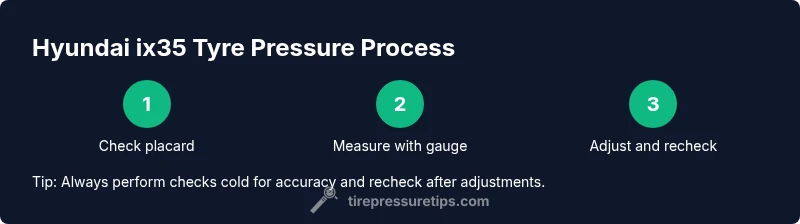
Begin by parking on a level surface and ensuring tyres are cold. Remove each valve cap and attach the gauge to the valve stem to read your current pressure. If underinflated, add air in small increments, rechecking after each increment. If overinflated, release air until you reach the target cold-pressure specification. Recheck all four tyres, paying attention to front/rear differences as listed on the placard. After final adjustments, reinstall valve caps and drive a short distance to verify the TPMS readings settle to expected levels.
Common Mistakes and How to Avoid Them
Common errors include checking when tyres are hot, inflating to the tire’s maximum sidewall pressure, ignoring the front/rear spec differences, and not rechecking after load changes. Always use cold readings as the baseline, and adjust gradually. Avoid relying on a single reading; recheck after a brief drive and log trends. If you’re unsure, consult a professional for a quick pressure audit.
Seasonal and Load Considerations for ix35
Seasonal changes and varying loads affect tyre pressure requirements. In winter, lower temperatures reduce readings; in summer, higher temperatures raise them. If you regularly transport heavy cargo or gear, verify whether your placard includes a load-adjusted pressure. For long trips, it’s wise to check and adjust before departure, ensuring stability across differing terrains and speeds. Consistency matters for wear patterns and overall vehicle behavior.
Maximizing Tire Life and Fuel Efficiency with Correct Pressure
Maintaining the correct tyre pressure reduces rolling resistance, optimizes contact with the road, and minimizes heat buildup. This translates to better fuel economy and longer tire life for your Hyundai ix35. Pair pressure maintenance with regular tire rotation, proper alignment checks, and correct wheel nut torque to maximize lifespan and performance. A simple habit—monthly pressure checks—can yield meaningful savings over time.
Safety Checks: When to Replace or Repair Valves and Sensors
Valves and TPMS sensors can wear out or become damaged. Replace cracked or corroded valve stems, ensure valve caps are present, and replace any malfunctioning TPMS sensors as needed. If you notice slow leaks from the valve stem or suspect sensor failure (false readings, frequent reset requirements), seek professional inspection. Regular maintenance extends sensor life and reduces unexpected tyre issues on the road.
Troubleshooting Low Pressure Readings and Leaks
If readings seem consistently low, perform a quick leak check with soapy water around the valve stem, wheel bead, and valve core. Look for bubbles indicating a leak. Slow leaks require professional diagnosis and potentially tyre repair or reseating. If TPMS readings do not align with gauge measurements, recalibrate or reset the system per the manufacturer guidance and consider a sensor health check.
Tools & Materials
- Tire pressure gauge (digital or analog)(Choose a gauge that reads to at least 1 psi/kPa and works with all four tyres. Digital gauges are often easiest for beginners.)
- Owner’s manual or door placard with tyre pressure specs(Front vs rear values and cold-inflation targets will be specified here.)
- Air compressor or inflator(Prefer a unit with a built-in gauge for accuracy; at a gas station, ensure the outlet is suitable and safe.)
- Valve caps(Keep caps on to prevent dust and leaks; spare caps can save you during a roadside check.)
- Soapy water or leak detector (optional)(Useful for locating slow leaks around stems or bead areas.)
- Notebook or smartphone to log readings(Track pressure over time to spot patterns or gradual leaks.)
- Gloves (optional)(Keeps hands clean and protects from sharp edges during wheel work.)
Steps
Estimated time: 20-30 minutes
- 1
Park on level ground and verify cool tires
Park on a flat surface and wait for tires to cool if they’ve been driven recently. Locate the official cold-pressure spec for the Hyundai ix35 from the placard on the driver’s door jamb or the owner's manual. Note any front/rear differences and the exact psi/kPa values.
Tip: Reading when cold ensures accuracy; hot tires yield higher readings. - 2
Check current pressure with a gauge
Remove the valve cap, firmly press the gauge onto the valve stem, and take a reading. Repeat for all four tyres and record the values. If readings are wildly different from each other, check for leaks or valve issues.
Tip: Use a gauge that stays on the valve without wobbling for a stable reading. - 3
Adjust to the recommended cold pressure
If underinflated, add air in small increments and recheck after each addition. If overinflated, release air gradually until you hit the target. Do not exceed the placard value.
Tip: Make small adjustments and recheck; large swings cause overshoot. - 4
Recheck and balance front and rear
Recheck all tyres after adjustments. Ensure front and rear pressures match the placard values where specified, and note any differences needed for load.
Tip: Spare tyre should also be checked if the vehicle uses a full-size spare with the same wheel size. - 5
Account for load and driving conditions
If you routinely carry heavy loads or drive at higher speeds, consult the placard for load-adjusted pressures and apply the recommended target accordingly.
Tip: Heavier loads usually require higher pressures within the spec range. - 6
Inspect valves and sensors
Check valve stems for damage, corrosion, or leaks; ensure TPMS sensors read correctly after adjustments. Replace worn components as needed.
Tip: Damaged sensors can give incorrect readings; address promptly. - 7
Document readings and plan future checks
Log your pressures and dates to monitor changes, and schedule regular checks (monthly or before long trips).
Tip: A simple log helps detect slow leaks early.
Frequently Asked Questions
What is the recommended tyre pressure for Hyundai ix35?
The exact value varies by model and trim; always check the door placard or owner's manual for the official cold-tyre pressures. Do not rely on the maximum sidewall pressure as a running target.
Check the door placard for the exact cold pressures for your ix35; don’t use the maximum sidewall value as the target.
Should I check tyre pressure when tires are hot or cold?
Always check cold tyres. Hot tyres show inflated readings and can lead to over-inflation if you inflate immediately after driving.
Check tyres when they’re cold to get an accurate reading, and adjust only after they’ve cooled.
How does TPMS relate to tyre pressure?
TPMS provides a warning when pressure is too low, but it’s not a substitute for regular manual checks. Use a gauge to verify and adjust pressures as needed.
TPMS warns you of low pressure, but you should still verify with a gauge and adjust accordingly.
Can overinflated tyres be dangerous?
Yes. Overinflation can reduce grip, increase wear in the center of the tread, and raise the risk of damage from road hazards. Stay within the recommended range.
Overinflation can reduce grip and cause uneven wear; stay within the recommended range.
What should I do if TPMS stays on after inflating?
If the light remains on, check for slow leaks, valve issues, or a faulty sensor. If you cannot resolve it with a quick check, seek professional service.
If TPMS stays on after inflation, check for leaks or sensor problems and seek service if needed.
How often should I check tyre pressure?
Check at least once a month and before long trips, and adjust with seasonal temperature changes in mind. Inspect after any tyre repair or replacement.
Check monthly and before long trips, especially during seasonal changes.
Watch Video
What to Remember
- Check tyres when cold for accuracy
- Follow the placard for front/rear pressures
- Use a reliable gauge and recheck after adjustments
- Monitor TPMS readings as a guide, not a replacement