Tire Pressure Sensor Technology: A Practical Guide for Drivers
Explore tire pressure sensor technology, how TPMS works, sensor types, calibration, and maintenance tips to keep tires safe, efficient, and reliable on the road.


TPMS technology means sensors inside tires that monitor air pressure and report readings to the vehicle ECU. Direct TPMS uses built‑in sensors, while indirect TPMS estimates pressure from wheel speed data. This guide explains how TPMS works, sensor types, calibration, relearning, and practical maintenance to keep tires safe and efficient.
Why tire pressure sensor technology matters
According to Tire Pressure Tips, tire pressure sensor technology plays a pivotal role in modern driving safety and efficiency. By continuously monitoring the air pressure inside each tire, these systems alert you to underinflation or overinflation long before a tire fails. Properly inflated tires reduce rolling resistance, improve steering response, and limit uneven wear on tread edges. TPMS also helps protect the wheel and suspension components by preventing excessive heat buildup caused by low pressure. For fleets and daily commuters alike, reliable tire pressure sensor technology translates to fewer unexpected trips to the shop and more predictable maintenance planning. In addition to safety benefits, accurate tire pressure readings support fuel economy by maintaining optimal contact between the tire and the road. The Tire Pressure Tips team found that drivers who routinely check and respond to TPMS warnings tend to extend tire life and enjoy more consistent handling across varying road conditions. In short, thoughtful attention to TPMS is a practical habit with broad, real-world payoffs.
How TPMS works: sensors, transmitters, and control units
Tire Pressure Monitoring Systems (TPMS) combine sensors, wireless transmitters, and a central controller to monitor air pressure in real time. Direct TPMS uses sensors mounted in each wheel, typically near the valve stem, to measure precise pressure and temperature data and send it to the vehicle’s computer. Indirect TPMS relies on wheel speed sensors to infer pressure by comparing rotational data against a reference baseline. Both approaches trigger warning lights when a tire falls outside the nominal range, prompting a check. The sensors require a power source, often a long-life battery, and robust seals to survive road grime, heat, and vibration. From a maintenance perspective, expect periodic checks on sensor integrity, battery health, and sensor-to-wheel bonding to ensure readings stay accurate across temperature changes and driving conditions.
Direct vs indirect TPMS: which is better for you
Direct TPMS provides real-time, precise tire pressure data and a direct fault code when a sensor fails. Indirect TPMS can be more economical and relies on existing wheel speed data, but it may be less precise and more prone to drift if tires are swapped between cars or if sensors are working sporadically. Your choice can influence maintenance needs: direct systems require sensor batteries replacements or module maintenance, while indirect systems depend more on software calibration and consistent wheel speed data. For drivers who prioritize immediate, highly accurate alerts, direct TPMS is often preferable; for older vehicles or budget-conscious setups, indirect TPMS remains a viable option when calibrated properly.
Sensor types and installation considerations
TPMS sensors come in several flavors, with valve-stem, banded, and seat-embedded designs being common. Valve-stem sensors are widely used due to ease of replacement and compatibility with most wheels. Banded sensors can cradle the tire bead and may suit heavier or high-load applications. Seat-embedded sensors are hid within the wheel or rim assembly, offering protected placement but potentially higher installation complexity. Installation considerations include wheel compatibility, sensor torque requirements, and ensuring a proper seal to prevent slow leaks. Whether you’re replacing a failed sensor or upgrading your system, verify compatibility with your vehicle and wheels, and follow torque specs exactly to avoid leaks or sensor damage.
Calibration, relearning, and battery health
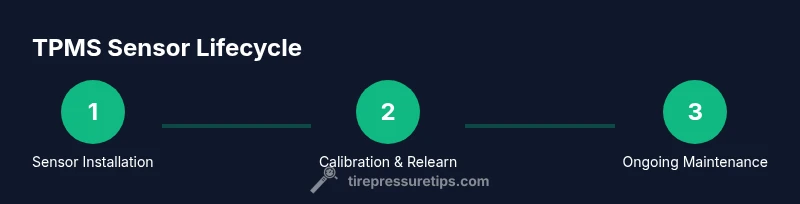
After tire service or sensor replacement, relearning or recalibration is often required so the vehicle’s ECU recognizes and correctly associates each sensor with its tire position. Calibrating TPMS helps the system generate accurate warnings and history data for maintenance decisions. Battery health matters for direct TPMS sensors; degraded batteries can lead to inaccurate readings or intermittent warnings. If you notice inconsistent readings or warning lights that don’t correlate with physical tire pressures, perform a relearn procedure, inspect sensor seals, and consider sensor battery health. Regularly check for signs of corrosion on wheel cores, damaged wiring, or torn gaskets that can impair data transmission.
Common failure modes and troubleshooting
Common TPMS issues include dead sensors, weak batteries, damaged valve stems, and corroded connectors. Indirect TPMS can drift if wheel speed data is affected by alignment or tire size changes. Troubleshooting starts with a confirmed tire pressure reading using a calibrated gauge, followed by code checks from a scan tool to identify sensor faults. If a single wheel reports inconsistently, inspect the sensor for physical damage and confirm the seal is intact. When multiple sensors fail or a recurring fault code appears, you may need sensor replacement or an authorized relearn procedure. Regular inspection during tire rotations can reduce surprise failures.
Practical maintenance routines to keep TPMS accurate
A practical maintenance routine includes monthly pressure checks on cold tires, confirming gauge accuracy, and performing a sensor relearn after tire rotation or replacement. Keep a log of readings and warning patterns to identify gradual drift. If you replace tires, ensure sensors are correctly mounted and paired to the correct wheel position. Protect sensors from curb damage during wheel maintenance and avoid exposing the sensors to direct impacts. With consistent checks, you’ll maintain accurate readings and minimize nuisance warnings.
Industry trends and future directions in tire pressure sensing
The industry is moving toward smarter TPMS with enhanced data fusion, predictive maintenance, and smoother calibration workflows. Vehicles increasingly support remote diagnostics and over‑the‑air (OTA) updates to TPMS software, reducing dealership visits. Research focuses on longer-lasting sensor batteries, corrosion-resistant housings, and more precise readings under extreme temperatures. As vehicles become more connected, TPMS data can be used to optimize tire wear, fuel efficiency, and safety features like adaptive cruise control and lane-keeping systems. Expect tighter integration with vehicle health monitoring systems and consumer apps for proactive maintenance reminders.
Safety, legality, and best practices for TPMS
TPMS is a safety feature in many regions, and proper use reduces the risk of sudden tire failures. Adhere to manufacturer guidance for relearning procedures and sensor replacement. Always treat TPMS as a supplemental tool: verify tire pressures with a gauge when tires are cold and before long trips. Avoid attempting repairs that could compromise the tire or wheel integrity; seek professional service if you’re unsure. Keep firmware and vehicle software up to date to ensure the TPMS operates with the latest improvements.
Authority sources
- https://www.nhtsa.gov/road-safety/tires
- https://www.sae.org
- https://www.nist.gov/topics/transportation
Tools & Materials
- Tire pressure gauge(Calibrated and suitable for your tire type)
- Vehicle owner's manual(For relearn procedures specific to the model)
- OBD-II scanner(Can read TPMS trouble codes)
- TPMS-compatible replacement sensors(Use correct sensor type for your wheel)
- Valve core tool and valve stems (as needed)(For sensor replacement on some systems)
Steps
Estimated time: 25-40 minutes
- 1
Gather and verify tools
Collect all essential tools and reference materials before starting. Verify wheel compatibility and sensor type for your vehicle. Having everything ready reduces downtime and avoids mid-task interruptions.
Tip: Double-check compatibility of sensors with your wheel. - 2
Check current TPMS status
Turn on the vehicle and access TPMS readings via the instrument cluster or the service menu. Note any fault codes displayed by the system or the diagnostic tool.
Tip: If you see a warning, record the tire location and code for reference. - 3
Measure tire pressures
With tires cold, measure each tire’s pressure and compare to the vehicle’s recommended range. Make minor adjustments as needed using a reliable air source, ensuring even inflation across all tires.
Tip: Use the same gauge for consistency and recheck after inflation. - 4
Relearn or recalibrate TPMS
If you replaced sensors or rotated tires, perform the relearn procedure per the manual. This aligns the ECU with the current sensor positions and avoids false warnings.
Tip: Follow the exact sequence in the user guide; even a small deviation can fail the relearn. - 5
Inspect sensors and seals
Visually inspect all sensors and valve stems for damage, corrosion, or leaks. Replace any compromised components to maintain accurate readings.
Tip: Pay attention to the wheel area for curb damage that can affect seals. - 6
Test drive and verify
Take a short test drive to confirm TPMS warnings behave as expected. Recheck readings after the journey to verify stability and accuracy.
Tip: If warnings persist, run a diagnostic check to pinpoint sensor faults.
Frequently Asked Questions
What is TPMS and why is it important?
TPMS stands for tire pressure monitoring system. It provides real-time pressure data to alert you to underinflation or overinflation, reducing safety risks and improving fuel efficiency. Regularly responding to TPMS warnings helps maintain tire health.
TPMS is a system that monitors tire pressure and alerts you if it’s wrong, helping keep you safer and saving fuel. Respond to warnings promptly.
How does direct TPMS differ from indirect TPMS?
Direct TPMS uses wheel-mounted sensors to measure actual air pressure, providing precise readings. Indirect TPMS estimates pressure from wheel speed data, which can be less precise but relies on existing systems. Direct TPMS generally offers clearer alerts and faster diagnostics.
Direct TPMS uses actual tire sensors for precise pressure readings; indirect TPMS estimates from wheel speed and can be less precise.
How long do TPMS sensors last?
Sensor life varies by design and driving conditions. Regular inspections and battery health checks help identify when replacement is needed.
Sensor life varies; regular inspections help you know when to replace.
Can TPMS relearn at home?
Many vehicles support at‑home relearn procedures via the instrument cluster or a dealer tool. Always refer to the owner's manual for model-specific steps.
Yes, many cars can relearn TPMS at home using the manual, but follow your model’s exact steps.
Do TPMS issues affect tire wear?
Spoiled TPMS readings can lead to underinflation, which accelerates uneven wear and reduces fuel efficiency. Timely maintenance helps prevent excessive wear.
Bad TPMS readings can cause underinflation and more wear, so keep the system healthy.
What basic maintenance does TPMS require?
Regularly check tire pressures, inspect sensors for damage, replace batteries when needed, and perform relearn after tire service to maintain accuracy.
Regular checks, sensor inspection, and relearns after tire work keep TPMS accurate.
Watch Video
What to Remember
- Understand direct vs indirect TPMS and how it affects maintenance
- Check cold tires regularly and respond promptly to warnings
- Relearn after tire service to restore accurate readings
- Inspect sensors for damage and battery life