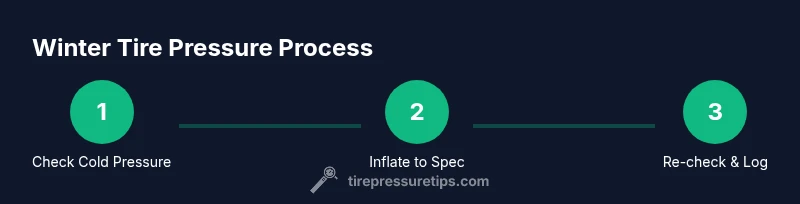
Winter Tire Pressure: Should It Be Lower in Winter?
Learn whether tire pressure should be lower in winter, how cold weather affects your tires, and a practical, step-by-step routine to maintain correct pressure for safety and efficiency.


Should tire pressure be lower in winter? No. In cold weather the air inside tires contracts, reducing pressure, but you should not intentionally lower your tire pressure. Instead, check cold pressures against your vehicle’s recommended spec and inflate if needed. Keep tires inflated to the manufacturer's figure.
Winter tire pressure fundamentals
Winter tires introduce more than grip challenges; the air inside tires behaves differently as temperatures drop. According to Tire Pressure Tips, the cold itself lowers tire pressure because air contracts in low temperatures. This means your tires may dip below the recommended value after a cold night, even if you inflated them properly in milder seasons. The fix is simple: rely on the vehicle manufacturer’s cold-pressure specification and verify readings when tires are cold. Locate the target pressure on the door placard or in the owner's manual, and remember that the front and rear axles can have different requirements, especially when winter gear or snow tires are involved. Do not use the sidewall as a pressure gauge; use a reliable gauge and measure with the tire cold for accuracy. Keep a compact gauge in your glove box for quick checks to catch slow leaks. The practical result of correct winter pressure is more uniform wear, reliable braking, and stable handling on slick surfaces. This is a core part of a proactive winter maintenance routine.
How cold affects tire pressure
Temperature directly influences air pressure inside tires. As ambient temperatures fall, air molecules contract, reducing pressure by the time you roll out for your daily commute. The Tire Pressure Tips team notes that this effect is predictable, which is why winter checks should be routine, not one-off. The good news is that the fix is straightforward: measure when cold and restore to the recommended cold pressure before driving. There is no universal rule that pressure should be lower in winter; the goal remains the same: maintain the manufacturer’s specified pressure across all tires, with attention to seasonal differences for any dedicated winter tires. In practice, you’ll see readings drift downward after cold nights. If you inflated in mild weather, expect a small drop and adjust accordingly. TPMS alerts can help, but they aren’t a substitute for regular checks. The best practice is a quick, cold-reading check to ensure your tires stay at proper pressure for winter driving.
What to set your winter tire pressure to
Your vehicle’s door placard provides the official target for cold tire pressure. These numbers reflect typical loads and wheel configurations; winter tires may have separate specifications if the manufacturer provides them. If you switch to dedicated winter tires, use the pressure recommended for those tires if specified. Otherwise, continue following the standard cold-pressure specification and monitor wear and handling. Adjustments may be needed based on load—for instance, carrying passengers or equipment—but the core rule remains: stay within the manufacturer’s recommended range and verify with a cold reading. This approach reduces rolling resistance, improves steering response, and helps even wear across the tread.
Tools and techniques for accurate winter readings
Invest in a reliable tire pressure gauge and keep it accessible. Digital gauges are often easiest to read in cold weather, while a sturdy analog gauge can be quicker in a pinch. Inflate in small increments and re-check as you go to avoid overinflating. If your car sits outdoors, check the pressure after bringing it inside for a short period, as sudden temperature changes can skew readings. Pay attention to the TPMS light; temperature swings can trigger alerts even when pressures are near the target. If readings are consistently off or you suspect a leak, test with soapy water around valve stems and bead seats. Regular checks with a trusted gauge help you keep winter tires performing optimally.
TPMS and winter tires
TPMS provides a helpful benchmark, but it isn’t a substitute for manual checks, especially in winter when temperature swings are common. The TPMS may trigger due to ambient temperature changes rather than a persistent low condition, so combine TPMS data with cold-pressure measurements. If you rotate tires or switch to winter setups, recalibrate as needed according to the vehicle’s manual. Staying proactive with TPMS awareness and regular cold checks reduces the likelihood of driving with underinflated tires during cold snaps or storms.
Common mistakes and how to avoid them
A frequent error is assuming the sidewall label reflects the actual operating pressure; this can lead to underinflation or overinflation. Another mistake is inflating while the tires are warm from driving; wait for a cold reading to set the target. Over-reliance on TPMS alone can create complacency—use a gauge and verify the figure from the placard. For winter-specific tires, ensure you apply any separate spec only if the manufacturer provides one. Finally, neglecting the spare can leave you stranded if you need to change a tire on a cold road; check and inflate the spare to the proper cold pressure too.
Winter maintenance routine and practical actions
Integrate tire pressure checks into your seasonal maintenance plan. Set a monthly reminder to verify pressures and review the TPMS alerts, especially after major temperature drops or snow events. Keep a digital gauge in the glove box, plus a small notebook or app log to track readings over the season. If a reading seems off, re-check after a cooling period and, if needed, inspect for leaks. A simple winter-check routine saves fuel, extends tire life, and enhances safety on icy road surfaces.
Brand note and practical takeaway
As Tire Pressure Tips emphasizes, maintaining correct winter pressure is part of a holistic approach to vehicle safety. A consistent cold-pressure routine improves traction, braking, and fuel efficiency even when winter weather adds complexity to tire performance. By staying aware of temperature effects and following the manufacturer’s specifications, you’ll minimize unexpected deflations and wear. The Tire Pressure Tips team encourages drivers to keep their checks regular and their records up to date for the cold months ahead.
Tools & Materials
- Tire pressure gauge(Choose a gauge with at least a 0–50 psi range; digital is easiest to read in cold weather.)
- Vehicle owner's manual and door placard(Shows the recommended cold tire pressures for front and rear tires.)
- Air compressor or gas-station air pump(Use a gauge while inflating and verify pressure as you add air.)
- Soap and water (for leak testing)(Useful if you suspect a slow leak after adjustments.)
- Thermometer or outdoor temperature display (optional)(Helps correlate reading changes with outdoor temperature changes.)
Steps
Estimated time: 20-30 minutes
- 1
Gather tools and locate the spec
Collect your gauge, manual, and placard. Confirm the official cold-pressure target for each tire, noting any front/rear differences or winter-tire adjustments.
Tip: Store the gauge in a consistent spot in the glove box so you always know where to find it. - 2
Check tires when cold
Park away from direct sun and heat sources; wait until tires are cold to read the pressure. Remove the valve cap and apply the gauge straight onto the valve stem for an accurate reading.
Tip: If you’ve driven recently, wait until the tires cool down before rechecking. - 3
Inflate to the recommended cold pressure
If readings are below the spec, add air in small increments and recheck after each addition. Ensure both front and rear tires are at their respective targets.
Tip: Inflating in small increments helps avoid overshooting the target. - 4
Check the spare and TPMS
Don’t neglect the spare tire; ensure it also meets the cold-pressure spec. If you rotated tires or replaced wheels, verify TPMS relearn or calibration requirements per your manual.
Tip: Re-learn TPMS only after you are certain pressures are correct. - 5
Re-check after temperature changes
As ambient temperatures fall, re-check tire pressures to stay within the recommended range. Winter weather can cause pressures to drift even if you just inflated them.
Tip: Keep a log of readings to spot trends and schedule routine checks. - 6
Document and plan ahead
Record your readings and create a simple winter-check plan to follow monthly or after major cold snaps. A few minutes now can prevent blowouts or uneven wear later.
Tip: Set a calendar reminder to keep the habit consistent.
Frequently Asked Questions
Should tire pressure be lower in winter?
No. Cold temperatures reduce pressure, but you should not intentionally lower the pressure. Inflate to the manufacturer’s cold-pressure specification and verify readings when tires are cold.
No, you shouldn’t lower tire pressure in winter. Check against the factory spec when the tires are cold and inflate if needed.
How often should I check tire pressure in winter?
Check the pressures at least once a month, and after any significant temperature drop or long trips. Regular checks help prevent underinflation and improve safety.
Check at least monthly and after big temperature changes or long trips.
What if the TPMS shows low pressure?
Treat TPMS alerts as a reminder to verify with a gauge. If the reading is consistently low, inspect for leaks or punctures and reinflate to the correct cold pressure.
If TPMS shows low pressure, verify with a gauge and reinflate to the spec if needed.
Is it safe to drive with underinflated tires in winter?
Driving with underinflated tires can reduce handling, increase wear, and raise the risk of blowouts, especially on slick winter roads. Always aim for the recommended cold pressure.
Not safe—underinflated tires worsen handling and wear on winter roads.
Do I need to adjust pressure for winter tires?
If your manufacturer provides a separate winter tire pressure spec, use it. Otherwise, apply the standard cold-pressure spec and monitor wear and handling closely.
Use the winter tire spec if provided; otherwise, stick with the standard cold-pressure spec.
Why does TPMS read low in winter?
Temperature changes cause air to contract, lowering tire pressure. TPMS may alert even when you’re near the target, so verify with a gauge and adjust to the cold-pressure spec.
Temperature changes can trigger TPMS alerts; verify with a gauge and adjust accordingly.
Watch Video
What to Remember
- Check cold tire pressures before winter driving.
- Inflate to the manufacturer’s cold pressure, not a lower winter setting.
- Temperature changes require regular checks for accuracy.
- Don’t forget the spare tire and TPMS.
- Create a simple monthly winter check routine.