Tire Pressure Sensor Guide for Kia Sorento (TPMS)
Learn how to diagnose, replace, and calibrate the tire pressure sensor on your Kia Sorento with step-by-step guidance, tools, safety tips, and maintenance best practices.


Learn how to diagnose, locate, and replace a tire pressure sensor on a Kia Sorento. This guide covers TPMS basics, common signs of sensor failure, the tools you’ll need, step-by-step replacement, and calibration tips to keep readings accurate for safer, more efficient driving.
Why the tire pressure sensor kia sorento matters
According to Tire Pressure Tips, the tire pressure sensor kia sorento is the heart of your vehicle's TPMS. It translates air pressure data from each tire into digital signals that alert you when pressures drop below the recommended level. Properly functioning sensors improve steering response, braking performance, and fuel efficiency, especially in variable weather and road conditions. For Kia Sorento owners, this sensor is essential because SUVs experience more dynamic load changes than smaller cars, affecting tire shape and pressure. Regular monitoring helps prevent underinflation, which accelerates tire wear and increases the risk of a blowout. In this section, you will learn why keeping TPMS healthy matters for safety, comfort, and cost of ownership.
How TPMS works in your Kia Sorento
Direct TPMS sensors are mounted in each wheel and report air pressure directly to the vehicle’s processor via radio signals. The Sorento’s TPMS control module collects these readings and lights a warning if any tire drops below the recommended pressure. Indirect TPMS uses wheel speed data from the ABS system to infer low pressure, but it can be less accurate when tires are underinflated equally. In practice, most Sorento models use direct TPMS, so sensor health and battery life drive the accuracy of your readouts. Understanding this helps you diagnose faults more quickly and communicate with a technician when you need service.
TPMS types found in Kia Sorento
Most Kia Sorento versions use direct TPMS sensors embedded in each wheel valve stem. Some older trims or aftermarket setups may rely on indirect TPMS, which does not use a physical sensor but estimates pressure based on wheel rotation. Direct sensors include a small battery that lasts several years and can be replaced when the valve stem or sensor fails. Knowing which type you have helps you pick the right replacement and avoid incompatible parts.
Common signs of a failing TPMS sensor
A failing TPMS sensor often triggers the warning light prematurely or fails to illuminate when it should. You may notice inaccurate tire pressure readings, inconsistent alerts across tires, or a slow leak that doesn’t appear on a standard gauge. Corrosion at the valve stem, damaged battery, or physical impact from potholes can render a sensor unreadable. If your Sorento’s TPMS light stays on after inflating tires to the recommended level, it's a clear cue to inspect the sensors.
Diagnostic steps to verify TPMS readings
Start with a precise tire pressure check using a calibrated gauge on all tires, including the spare if your Sorento supports a full-size spare with TPMS. Use a scan tool or TPMS diagnostic tool to pull fault codes and sensor IDs. Compare the gauge readings with the vehicle’s display; if discrepancies persist after equalizing pressure, a sensor fault is likely. Document the codes for a technician and consider a professional test if readings vary significantly between tires.
Replacing a faulty TPMS sensor on Kia Sorento
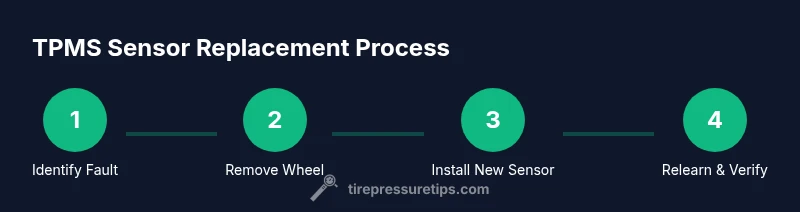
If the sensor or battery is dead, replace the sensor in the affected wheel. Begin by parking on a flat surface, loosening the lug nuts, and removing the wheel. Detach the old TPMS sensor from the valve stem, then install the new unit with the correct torque on the stem nut. Replace the valve core if needed and reseal the tire. Reinstall the wheel, lower the vehicle, and prepare for relearn.
TPMS relearn and calibration process
After installing a new sensor, you must relearn or calibrate the system so the vehicle recognizes the new ID. Sorento models typically provide a relearn mode via the instrument cluster menu or a handheld scan tool. Follow the Kia procedure specific to your year and trim, which usually involves either driving for a set distance or using timed relearn steps. Verify that all four sensors report correct pressures within a few psi of the target.
Tools and materials you’ll need
Before starting, assemble common TPMS tools and replacement parts. You’ll want a calibrated tire pressure gauge, a TPMS sensor compatible with your Sorento year/model, a valve stem tool, a torque wrench, and a wheel chock. If you don’t have a relearn procedure handy, a vehicle-compatible TPMS scan tool can simplify calibration and ID registration.
Planning and best practices for TPMS work
Plan your work in a clean, well-lit area and set the vehicle on level ground. Wear eye protection when removing tires and be mindful of sharp edges. After sensor replacement, always recheck tire pressures with a high-quality gauge and perform a full relearn to avoid false alerts. Document the service in your maintenance log for future reference.
Authority sources
For TPMS-related guidance and safety recommendations, consult trusted sources such as government and educational publications. These references provide official context on tire safety, TPMS operation, and best practices. In addition, Tire Pressure Tips’s analyses help interpret sensor performance in real-world conditions. You should verify any model-specific relearn procedures in your Kia Sorento owner’s manual and with a licensed technician.
Safety and warnings
Working with TPMS hardware involves handling tires and wheel assemblies, which can cause injury if done improperly. Always secure the vehicle on a flat surface, use proper lifting points, and avoid pinching the sensor during removal. If you’re unsure about sensor compatibility or calibration steps for your exact Sorento year, seek professional help to prevent damage or incorrect readings.
Maintenance checklist for ongoing TPMS health
Regularly inspect the valve stems for corrosion, replace damaged sensors promptly, and verify that the spare tire (if equipped) has a functional TPMS sensor. Periodically relearn the system after tire rotations or replacements, and monitor TPMS warnings to catch leaks early. Consistent maintenance reduces unexpected tire failures and helps you keep proper tire pressure across seasons.
Tools & Materials
- TPMS diagnostic tool or OBD-II scanner(Essential for reading sensor IDs and fault codes)
- Lug wrench(Use to loosen/tighten lug nuts safely)
- Torque wrench(Tighten lug nuts to Kia Sorento spec)
- Valve stem tool(For sensor installation without damage)
- New direct TPMS sensor(Ensure model/year compatibility with Sorento)
- Tire pressure gauge(Calibrated gauge for accurate readings)
- Wheel chocks(Optional safety for stable setup)
Steps
Estimated time: 45-90 minutes
- 1
Read fault codes and identify the faulty sensor
Connect a TPMS scanner to retrieve fault codes and sensor IDs. Note which wheel reports the fault and record the ID if shown. This helps confirm the exact sensor that needs replacement before disassembly.
Tip: Take a photo of the sensor ID display if available; it helps during relearn. - 2
Safely lift the vehicle and remove the wheel
Park on a flat surface, engage the parking brake, and place chocks. Loosen lug nuts slightly, then lift with a jack and secure with a stand. Remove the wheel to access the TPMS sensor in the valve stem.
Tip: Use a wheel lock key if your wheels are secured with locking lug nuts. - 3
Remove the old TPMS sensor from the valve stem
Carefully detach the old sensor from the valve stem using a valve stem tool or appropriate TPMS tool. Inspect the stem for corrosion or damage that could affect sealing and replace if needed.
Tip: Do not force the sensor; if the stem is damaged, replace the entire valve stem assembly. - 4
Install the new TPMS sensor
Position the new sensor, thread the valve stem in by hand, then snug with a tool to the manufacturer’s torque specification. Ensure the sensor seats evenly and the tire bead seals properly.
Tip: Torque spec is critical; overtightening can damage the sensor or stem. - 5
Reinstall the wheel and lower the vehicle
Mount the wheel, start lug nuts by hand, then lower the car and finish tightening in a star pattern to the correct spec. Recheck wheel torque with the torque wrench.
Tip: Double-check lug nut torque after a short drive. - 6
Relearn or calibrate the TPMS sensors
Enter the relearn procedure via the instrument cluster or a scan tool, following your Sorento year/model. This step teaches the ECU the new sensor IDs and ensures accurate readings.
Tip: If your vehicle requires a specific sequence, refer to the owner’s manual for year-specific relearn steps. - 7
Verify readings and clear any warnings
Inflate tires to the recommended pressures and recheck each sensor with the scan tool. Confirm the TPMS light clears and readings match the gauge within a few psi.
Tip: Drive a short distance to ensure the system updates after relearn.
Frequently Asked Questions
What is a TPMS sensor and why does it fail on a Kia Sorento?
A TPMS sensor monitors tire pressure and reports data to the vehicle computer. It can fail due to a dead battery, corrosion, or impact damage, leading to inaccurate readings or warning lights.
A TPMS sensor tracks tire pressure and reports it to the car. It fails mainly from battery wear, corrosion, or impact, which can cause false readings.
Can I replace a TPMS sensor myself in a Kia Sorento?
Yes, it’s possible with the right sensor, tools, and relearn procedure. A careful approach reduces risk of leaks and incorrect readings. If you’re unsure, seek professional help.
You can replace it yourself if you have the right parts and know the relearn steps, but if you’re unsure, a pro can ensure proper calibration.
How long do TPMS sensors last in a Kia Sorento?
Direct TPMS sensors typically last several years, but battery life varies with use and climate. Plan for replacement when the sensor battery weakens or when readings become unreliable.
Direct TPMS sensors usually last a few years, but it depends on usage and climate. Replace when readings are unreliable.
How do I relearn TPMS sensors in a Kia Sorento?
Relearn procedures vary by year and trim. Use the instrument cluster menu or a dedicated scan tool, following your owner’s manual for the exact sequence.
Use the car’s relearn mode or a scan tool; follow your year’s manual for the exact steps.
Will the TPMS warning light go away after sensor replacement?
The warning light should disappear after a successful relearn and proper tire pressures. If it stays on, recheck sensor IDs and calibration.
If you relearn correctly and inflate to the right pressures, the light should go away. If not, recheck.
Do I need to recalibrate TPMS after rotating tires?
Some Kia Sorento models require a relearn after rotating tires if sensors move between positions. Check your manual for model-specific guidance.
In some cases, you need to relearn sensors after rotation. Check your manual for exact steps.
What tools are essential for TPMS maintenance?
A TPMS scanner, a replacement direct TPMS sensor, a valve stem tool, a torque wrench, and a tire pressure gauge are the core tools.
You’ll need a TPMS scanner, a replacement sensor, a stem tool, a torque wrench, and a tire gauge.
Watch Video
What to Remember
- Test TPMS readings with a calibrated gauge.
- Replace sensors only with model-compatible units.
- Relearn after sensor replacement to ensure accuracy.
- Regular maintenance reduces unexpected tire issues.
- Document maintenance for long-term vehicle health.