Tire Pressure Monitoring System Guide for Subaru
A comprehensive, step-by-step guide to Subaru TPMS: how it works, checking tire pressures, resetting sensors, and troubleshooting common issues for safer driving.


You will learn how to check, calibrate, and troubleshoot Subaru's tire pressure monitoring system (TPMS). Start by confirming cold tire pressures against Subaru's spec, then use the TPMS reset steps for your model, and finally address common sensor faults or battery issues. This guide helps you stay safe and maintain optimal fuel efficiency.
Why TPMS matters for Subaru
In modern driving, the tire pressure monitoring system subaru is more than a warning light; it is a safety and efficiency tool that helps you maintain optimal performance on every ride. According to Tire Pressure Tips, a well-maintained tire pressure monitoring system subaru reduces tire wear, improves fuel economy, and lowers the risk of sudden flats. Subaru vehicles use sensors and control algorithms to track how each tire is inflated, compare readings to the recommended range, and alert you if a tire drops out of spec. When you understand how TPMS works and what to do when a sensor signals a problem, you’ll spend less time guessing and more time driving confidently. The Tire Pressure Tips team emphasizes that small, consistent checks beat large repairs, and that proactive TPMS maintenance is a cornerstone of tire safety. In this section we set the stage for practical, model-aware guidance tailored for Subaru owners, and we’ll translate general TPMS concepts into concrete steps you can follow this weekend.
How Subaru's TPMS works
Subaru’s tire pressure monitoring system relies on a network of sensors housed in each tire or wheel and a central control module that receives readings as you drive. When pressure deviates from the manufacturer’s specification, the system raises a warning to alert the driver. Some Subaru models use direct TPMS, where each wheel sensor reports pressure data directly via radio frequency, while indirect TPMS uses wheel-speed data to infer pressure changes. Direct TPMS provides precise psi readings and faster warnings, but it depends on healthy battery-powered sensors that must be maintained or replaced over time. Indirect TPMS does not rely on wheel sensors but can be less specific about which tire is underinflated. Understanding which type your Subaru uses will help you plan maintenance, battery replacement, and sensor service more effectively. Consistent readings from TPMS enable safer cornering, better braking, and longer tire life, reinforcing the goal of reliable performance in every season.
Sensor types and replacement considerations
TPMS sensors come in several configurations, often including a sensor body and a valve stem with an attached battery. In Subarus, direct TPMS sensors report actual tire pressure and temperature to the ECU, which then triggers the warning light if necessary. Over time, battery degradation or sensor failure can cause false warnings or missed alerts, especially after winter use or rough roads. Replacement typically involves selecting OEM or quality aftermarket sensors, ensuring correct valve type for the wheel, and performing a sensor relearn or reset so the car recognizes the new unit. When planning replacement, consider whether you need a full sensor replacement at each wheel or a battery-only refresh if the sensor allows it. A careful approach minimizes downtime and keeps your TPMS reliable through fuel-price swings, seasonal tire changes, and vehicle aging.
Reading tire pressures with TPMS active
To interpret TPMS readouts accurately, start with a cold tire check using a certified tire pressure gauge. The door jamb sticker on Subaru models lists the recommended cold PSI for front and rear tires, which is usually different from the maximum sidewall rating. Record each tire’s measurement and compare it with the spec; slight variations can appear due to load, temperature, or recent driving. If readings fall outside the recommended range, adjust the pressure by adding or releasing air until you reach the target values. After adjusting, use the TPMS reset or relearn procedure specific to your model to ensure the system recognizes the new pressures. Always verify readings again after a short drive to account for dispersion and heat buildup under normal use.
Calibrating and resetting TPMS in Subaru models
Resetting or relearning TPMS is model-specific, and Subaru owners should consult the owner’s manual for the exact steps. In many cases, you’ll perform a relearn sequence while the tires are cold, sometimes using a dedicated reset button, a combination of pedal presses, or an OBD-II scanner with TPMS capability. The goal is to synchronize the ECU with the current sensor data so warnings reflect real conditions. If your model requires a dealership tool, schedule a quick visit, but many models allow a home relearn that saves time and money. After the relearn, drive for several miles to confirm that the warning light remains off and the readings stay inside the target range. Consistency matters for precise TPMS operation.
Troubleshooting common TPMS issues and warning lights
Warning lights can be triggered by low pressures, sensor faults, dead batteries, or a reset mismatch. If the TPMS light stays on after you’ve adjusted pressures, inspect each wheel for leaks and check the valve stems for damage or cracks. A dead sensor battery, corrosion in the valve stem, or a wheel with a faulty sensor will require replacement of the sensor or the stem. If you recently rotated tires, make sure the relearn process was completed correctly; misalignment between sensors and the ECU is a frequent cause of persistent warnings. When in doubt, consult the Subaru service manual or a trusted technician to avoid guesswork.
Maintaining TPMS sensors and batteries
Proactive TPMS maintenance focuses on sensor health and battery life. Regular inspections after tire changes or repairs help identify service needs early. In many Subaru models, the sensors’ batteries can degrade gradually, reducing signal strength and range. If sensors appear to be aging, plan battery replacement or sensor refresh before the warning signs become frequent. Use OEM parts or high-quality equivalents that match the wheel’s valve stem type and thread. Proper mounting, corrosion protection, and correct relearn steps extend sensor life and reduce the risk of unexpected warnings during road trips or winter driving.
Temperature effects on tire pressure readings
Temperature changes significantly influence tire pressure readings, with colder conditions reducing psi and heat increasing it. The TPMS interprets these variations relative to the target spec. In cold weather, you may notice a warning that corrects itself after a few miles of driving; in hot weather, pressures can rise, which sometimes triggers a warning if you’re near the upper limit. To avoid false alarms, measure tires when they are cold and account for ambient temperature when planning tire service. Consistent measurement practices and awareness of weather-related fluctuations help you maintain safe pressures year-round.
Practical maintenance schedule for Subaru TPMS
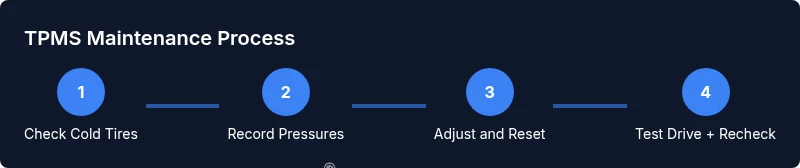
Create a simple maintenance rhythm that you can repeat monthly and around tire rotations or service visits. Start with a cold-pressure check of all four tires, then verify the readings against the Subaru spec on the door jamb sticker. If you rotate tires or replace sensors, relearn the system and perform a short test drive to confirm proper operation. In extreme weather or after long trips, recheck pressures to ensure they have not drifted due to temperature or road conditions. A simple calendar reminder makes TPMS maintenance a habit rather than an afterthought, keeping Subaru drivers safer and more efficient.
Authoritative sources and next steps
For detailed, model-specific guidance, consult authoritative sources. The National Highway Traffic Safety Administration (NHTSA) provides official information on TPMS safety and operation. AAA Driver Support offers practical tire pressure checks and maintenance tips. These sources can guide you through model-specific relearn procedures and sensor maintenance recommendations, while your Subaru owner’s manual will give you model-relevant settings and limits. Remember to keep your TPMS data current and align it with real-world measurements to ensure optimal safety and performance on every trip.
Tools & Materials
- Tire pressure gauge (digital preferred)(Use for precise cold-tire readings; avoid relying on the vehicle gauge)
- Owner's manual or Subaru TPMS section(Guides model-specific relearn/reset steps)
- OBD-II scanner with TPMS capability(Helpful for reading TPMS fault codes if needed)
- Access to a stable, level surface(Safety: engage parking brake and turn off engine)
Steps
Estimated time: 45-60 minutes
- 1
Prepare and park safely
Park on a level surface, engage the parking brake, and turn off the engine. Gather your tools and ensure tires are cool before measurement to avoid heat-inflation errors.
Tip: Keep a small notebook handy to record pressures for all four tires. - 2
Check cold tire pressures
Using a calibrated gauge, measure each tire when cold. Compare readings with the factory spec printed on the door jamb sticker and note any significant deviations.
Tip: If a tire reads more than 3 psi above or below spec, plan to adjust before driving far. - 3
Adjust to factory spec
Add air to tires that are low or release air from tires that are high to reach the target psi. Do not exceed the maximum pressure listed on the tire sidewall.
Tip: Use a steady, measured inflow; if one tire is stubborn, consult your manual before forcing air in. - 4
Reset or relearn the TPMS
Follow your Subaru model’s relearn procedure using the owner’s manual or an OBD-II tool if required. This ensures the ECU recognizes the updated sensor data.
Tip: If your model requires a dealership tool, note any error codes shown during relearn. - 5
Test drive and recheck
Drive a short distance to let sensors settle, then recheck tires to confirm readings align with the target and no warning lights are active.
Tip: If the TPMS light stays on, perform another relearn or inspect sensors for damage. - 6
Document and monitor
Record pressures and any TPMS messages in your maintenance log. Monitor readings over time and recheck after weather changes or long trips.
Tip: Consistency in measurements is key to early detection of slow leaks.
Frequently Asked Questions
What does TPMS do and why is it important on Subaru?
TPMS monitors tire pressure and alerts you to underinflation, improving safety and fuel efficiency. It helps prevent tire damage and reduces the risk of blowouts by ensuring tires stay within the recommended range.
TPMS watches your tire pressure and warns you if a tire gets too low, helping you stay safe and save fuel.
Why won't TPMS stop warning after filling tires?
Warnings can persist due to sensor fault, a leak, or an incomplete relearn after tire service. Verify pressures after a cold start and perform the relearn if required by your model.
If warnings don’t clear after inflating, check for leaks or sensor problems and consider re-learning the system.
Is TPMS battery replaceable?
Some TPMS sensors have replaceable batteries, but many require sensor replacement when the battery reaches end of life. Consult your manual or a technician for options.
Batteries may be replaceable on some sensors, but often you’ll replace the whole unit.
How often should I reset TPMS after tire rotations?
After rotating tires, perform the TPMS relearn procedure described in your manual to ensure the system correctly maps each sensor to the wheel position.
Do a relearn after rotation to keep TPMS accurate.
Can TPMS be manually reset on all Subaru models?
Reset capabilities vary by model and year. Refer to the owner’s manual or dealer tools for exact steps and limitations for your Subaru.
Reset options depend on the model; check the manual or ask a dealer.
Watch Video
What to Remember
- Check cold tires against Subaru spec before driving.
- Calibrate and reset TPMS after rotations or sensor service.
- Use a reliable gauge to avoid false readings.
- Inspect sensor batteries and consider replacement before failure.
- Recheck pressures after 24 hours or a short drive.