How to Fix Tire Pressure Warning Light: A Practical Guide
A comprehensive, step-by-step guide to diagnose and fix the tire pressure warning light. Learn to check cold tire pressures, identify leaks, reset TPMS, and prevent future alerts with practical tips from Tire Pressure Tips.


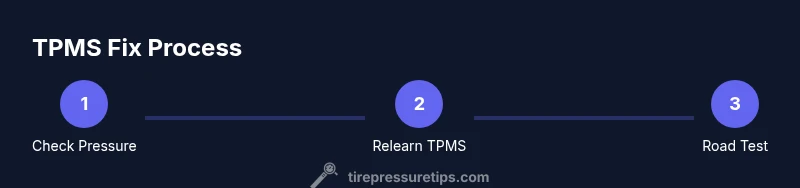
Goal: fix tire pressure warning light by validating tire pressures, addressing leaks, and clearing the TPMS error. Start by checking all tires with a trusted gauge, including the spare if applicable, and compare to the vehicle manufacturer’s cold pressure specs. Correct any underinflation, replace a damaged valve stem if needed, and reset or relearn the TPMS.
Why the Tire Pressure Warning Light Comes On
According to Tire Pressure Tips, the TPMS warning light can illuminate for legitimate reasons (like low tire pressure) or due to sensor faults. Understanding the difference matters because the fix ranges from a simple pressure adjustment to sensor battery replacement. In most cases, the light indicates at least one tire is underinflated by more than a few PSI or the sensor couldn't relearn after inflation changes. Temperature shifts can also trigger the warning, especially in winter. If you routinely drive with underinflated tires, you risk uneven wear, poorer fuel economy, and even a blowout. A proactive check helps prevent roadside problems and improves safety.
A successful fix often starts with a calm diagnosis. By tracing whether the issue is purely pressure-related or sensor-related, you can use the right tools and procedures without guessing. Tire Pressure Tips emphasizes a methodical approach: verify pressures, inspect for leaks, then determine if a relearn is sufficient or if sensor service is needed. This structured approach reduces wasted trips to the shop and keeps you safely on the road.
How TPMS Works and What It Means for You
The TPMS is a tire pressure monitoring system that uses sensors in each wheel to report pressure levels to the vehicle's computer. There are two main types: indirect TPMS, which infers pressure from wheel speed sensors, and direct TPMS, which uses actual pressure readings via wheel-mounted sensors. A warning light appears when the system detects a pressure drop beyond a threshold or a sensor fault. Knowing which type your car has helps you follow the right reset procedure. In modern cars, TPMS is a safety feature; treating it as optional can reduce fuel efficiency, tire wear, and risk of blowouts. Regular checks complement the system and help catch leaks early.
Understanding TPMS types helps you apply the correct reset. Direct TPMS sensors measure real pressure values and are more precise, but they also require battery maintenance and periodic sensor checks. Indirect TPMS relies on wheel speed sensors and ABS data, which can misread small changes in pressure during temperature shifts. Either way, a false alarm is less burdensome than a flat tire on a highway. A consistent maintenance routine keeps the system reliable and your tires at their optimal performance level.
Step 1: Verify Cold Tire Pressures with the Right Tools
Begin with cold tires—before you drive or after at least 3 hours—so readings reflect true pressure. Remove the valve stem cap, attach your gauge, and compare readings to the recommended cold pressures found on the door placard or owner’s manual. If readings differ by more than 1-2 PSI from spec, add or release air accordingly. Remember: the spare wheel may also be part of the TPMS realignment in some vehicles. After inflating, recheck all tires and note any that take a long time to reach spec. A quick check now can save a roadside hassle later.
Tools and technique matter. A reliable digital gauge provides more consistent readings than a cheap dial gauge. Always verify the gas station or compressor’s accuracy before starting, and ensure you recheck after adjustments. This is the foundation for a successful relearn, because the TPMS compares current readings to the vehicle’s stored baselines. If a tire is consistently off spec, don’t ignore it—correct it before continuing.
Step 2: Address Underinflation and Leaks
Inspect each tire for nails, cuts, or punctures that could cause slow leaks. Use soapy water to locate leaks around beads, valve stems, and sidewalls. If you find a puncture, you may patch it or replace the tire; a damaged valve core can be replaced with a valve core tool. If you fix a leak, recheck tire pressure immediately and allow 10-15 minutes for the TPMS to relearn once pressures are correct. If pressures rise or fall abnormally, consider a professional inspection.
Leak detection is often the overlooked hero of TPMS fixes. A tiny bead leak can fool the TPMS into flashing a warning repeatedly. Patch or replace only with the tire at room temperature for the best results. In severe cases, the TPMS may never relearn if the leak is ongoing, which is a sign to replace or repair the tire promptly.
Step 3: Resetting or Relearning the TPMS
Reset or relearn procedures vary by vehicle. Some cars automatically relearn after driving 10-20 minutes at highway speeds; others require a dedicated TPMS reset button or a scan tool. Check the owner’s manual for the exact steps and any cautions about wheel position, as some cars expect the sensors in a specific order. After relearning, drive for 15-20 minutes at a moderate speed to confirm the light stays off. If the light reappears, you may need professional diagnostics to evaluate sensor health.
Not all relearns are the same. Some vehicles require a specific sequence of wheel positions, other vehicles learn automatically after a road test. Document any step you perform and keep a copy of the manual steps for future reference. A precise relearn reduces the chance of a nuisance light returning after a little highway driving.
Block 4: When the Light Stays On: Next Steps
If the warning persists after the tires are properly inflated and relearned, you might have a faulty TPMS sensor, a dead battery in a sensor, or a wiring issue. A slow leak from a tire can also trigger a repeated warning. In these cases, a professional diagnostic is recommended, as tampering with sensors may affect the system’s calibration. If you recently replaced tires, ensure the relearn sequence matched your vehicle's requirements.
In some cases, the light stays on due to sensor hardware aging or calibration drift. A dealership or qualified tire shop can perform a comprehensive TPMS diagnostic, check sensor battery health, and confirm proper mounting torques on wheel sensors. Remember: continuing to drive with a suspected sensor fault can lead to inaccurate readings and potential safety risks.
Maintenance and Prevention to Keep the Light Off
Regular tire pressure checks—monthly and before long trips—help prevent false alarms. Keep a tire pressure log and carry a portable gauge in your glovebox. Have TPMS batteries and sensors inspected during tire changes; many sensors can be replaced individually without dismounting tires. Use a reliable air source and avoid overinflation. Rotating tires at the manufacturer’s recommended intervals also helps maintain even wear and keeps the TPMS functioning correctly. Building a routine reduces the chances of a surprise warning and protects your tires and ride quality.
Tools & Materials
- Digital tire pressure gauge(Prefer a gauge with a range up to 60 PSI and accuracy ±1 PSI)
- Air compressor or access to air pump(Ensure it can set PSI precisely; if using a can, accuracy is limited)
- Valve core tool(Use to replace a faulty valve core)
- Soapy water bottle(For leak detection at beads and valve stems)
- Owner’s manual or vehicle spec sheet(For exact TPMS relearn procedure)
- Tire repair kit or spare tire(Only if you suspect a puncture; sometimes a patch or replacement is required)
Steps
Estimated time: 60-75 minutes
- 1
Prepare tools and safety
Park on a flat surface, engage the parking brake, and gather all tools. Ensure the vehicle is off and the wheels are cool before you begin any measurement. If you have a helper, have them manage the gauges and note readings to avoid mistakes.
Tip: Double-check that you are using the correct tire pressure specification for cold tires. - 2
Check and record cold pressures
Read each tire’s pressure with the gauge and compare to the vehicle’s recommended cold pressure. Write down readings and note any tire that is off by more than 1-2 PSI. If a tire is low, adjust it before moving to the next step.
Tip: Always test when tires are cold; hot tires will overstate true pressure. - 3
Inflate or deflate to spec
Add air to tires that are low or release air from tires that are high to reach the exact cold-pressure spec. Recheck after inflation to confirm accuracy.
Tip: Do not exceed the maximum pressure listed on the tire sidewall. - 4
Inspect for leaks and repair
Look for punctures, cracks, or bead leaks. Use a soapy solution to identify slow leaks around beads and valve stems. Patch or replace damaged tires or components as needed and recheck pressures after repairs.
Tip: If a leak is detected, address it before attempting a TPMS relearn. - 5
Reset/Relearn TPMS and road test
Follow your vehicle’s manual to perform a TPMS relearn. Some cars auto-relearn after a drive; others require a button or tool. After relearn, drive 15-20 minutes to verify the light stays off.
Tip: Keep a note of the exact relearn steps for your model for future maintenance.
Frequently Asked Questions
What does a TPMS warning light mean?
A TPMS warning signals that at least one tire may be underinflated or there is a sensor fault. It’s a safety feature designed to prevent underinflation driving hazards.
A TPMS warning means a tire could be underinflated or there’s a sensor issue—check your pressures and reset if needed.
How do I reset TPMS after inflating tires?
Most vehicles have a relearn procedure in the owner’s manual. Some cars relearn automatically after driving, others require a reset button or tool. Follow the model-specific steps to ensure the system recognizes the new pressures.
Look up your model’s TPMS relearn steps; some cars auto relearn after a drive, others need a manual reset.
Can I drive with a TPMS warning on?
If you’ve verified all tires are at the correct cold pressure and the light remains off after relearning, it’s generally safe to drive. If the light stays on, pull over and inspect or seek help.
If tires are at the right pressure and the light is off after relearning, you can drive. If it stays on, get it checked.
Why does the TPMS light come back after reset?
Possible causes include a slow tire leak, a faulty sensor, or a degraded sensor battery. Recheck all tires and consider a diagnostic if the light persists.
If the light comes back, there could be a leak or sensor issue; get a diagnostic if needed.
Do all tires get monitored by TPMS?
Direct TPMS systems monitor each wheel’s pressure; indirect systems infer pressure via ABS data. Your manual will confirm which type your car uses.
Some cars monitor all tires directly, others infer from ABS data. Check your manual.
Should I replace the spare if TPMS triggers?
Some vehicles monitor the spare; others do not. Check your owner’s manual to see if the spare is included in TPMS checks and relearns.
It depends on your car—check the manual to know if the spare is monitored.
Watch Video
What to Remember
- Check cold pressures first and fix underinflation.
- Inspect for leaks and repair before TPMS relearn.
- Follow exact relearn steps per vehicle manual.
- Regular maintenance prevents false TPMS alarms.