How Often Do TPMS Sensors Need Replacement? A Practical Guide
Learn how often TPMS sensors should be replaced, what drives sensor life, and practical steps to extend lifespan. A Tire Pressure Tips guide on direct vs indirect systems, replacement triggers, and budgeting.


Direct TPMS sensors and their batteries determine replacement frequency. In short, how often do tire pressure sensors need to be replaced depends on battery life, sensor damage, and tire service events. According to Tire Pressure Tips, most direct TPMS sensors last several years, but replacement is common when tires are changed or links fail. Understanding these factors helps you budget for maintenance.
Why TPMS sensors matter
According to Tire Pressure Tips, TPMS sensors matter because they provide a direct signal when tire pressure falls outside safe ranges, helping drivers avoid underinflation, uneven wear, and potential tire failure. In modern vehicles, direct TPMS sensors are mounted inside each wheel and continuously monitor air pressure, sending real-time data to the vehicle’s computer. Indirect TPMS, by contrast, uses wheel speed data to infer pressure changes. Both systems are designed to prevent unsafe driving conditions, but their durability and maintenance needs differ. Brand reliability and field data show that the life span of sensors is influenced by how well the system is cared for, the quality of the wheels, and how often tires are serviced. As you plan maintenance, keep in mind that TPMS is not a one-time fix but a recurring part of vehicle health. A proactive approach reduces unexpected warnings and keeps tire performance consistent.
How long TPMS sensors last
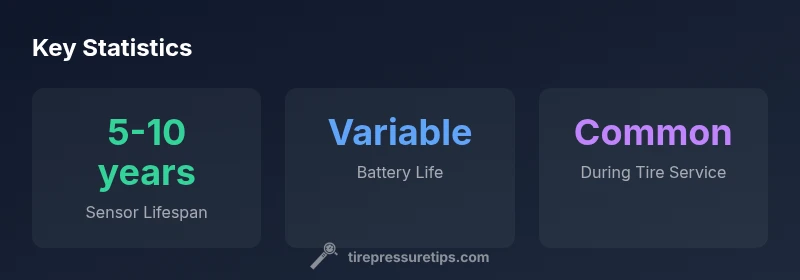
Direct TPMS sensors typically rely on a sealed battery that powers the transceiver. Real-world life spans range from five to ten years, with many factors shaping the actual duration. Vehicle design, climate exposure, road salt, and driving style all influence battery longevity and housing integrity. Indirect TPMS does not depend on a wheel-mounted sensor battery in the same way; instead, it uses sensor data from ABS/ESP systems to infer pressure changes. Regardless of type, the recommended practice is to inspect sensors during tire changes and perform a relearn or reset if the system requires it. The Tire Pressure Tips team notes that while some cars seem to outlast others, the general rule remains: treat sensor health as part of a broader tire maintenance plan. If readings become erratic or a TPMS warning persists despite proper inflation, it’s time for a sensor check or replacement.
What triggers sensor replacement
Sensor replacement is usually triggered by battery failure, damaged housing, or moisture ingress that compromises signal integrity. Wheel impacts, curb collisions, or harsh driving conditions can crack sensor housings or corrode components, accelerating failure. Tire service events often prompt sensor replacement, especially if the tire is removed or replaced. Mislearned sensors after a tire change can also lead to inaccurate readings, requiring relearn procedures or new sensors. In some cases, a sensor can be reprogrammed to a new wheel position, but the battery remains a limiting factor; most scenarios end with replacing the sensor as a unit rather than attempting a battery repair. These triggers underscore why proactive checks during routine maintenance are essential.
Replacing vs repairing
In most modern TPMS deployments, the sensor is a sealed unit, and the battery is not serviceable. This means repairs are rarely feasible, and replacement is the standard path. When replacing, technicians must ensure the new unit is compatible with the vehicle’s TPMS protocol and that it is properly relearned to the car’s system. Position-specific relearn procedures can vary by make and model, so a dealership or trained tire shop with the appropriate scan tool is recommended. Purchases often bundle the sensor with a new valve stem, which helps prevent leaks around the stem area. While replacement adds expense, it minimizes risk of inaccurate readings and preserves tire performance over time.
Direct TPMS vs indirect TPMS: Lifespan and maintenance
Direct TPMS sensors tend to be more durable than older indirect systems in terms of consistent pressure readings, but their lifespan is strongly tied to the battery and seal integrity. Indirect TPMS relies on vehicle sensors and software thresholds, which means there are no wheel-mounted batteries to fail; however, it can be less precise and slower to react to pressure changes. From a maintenance perspective, direct TPMS often requires sensor swaps during tire changes or if the battery degrades, while indirect systems may be recalibrated through software updates or wheel rotations. Both systems benefit from periodic checks and a consistent service schedule. Tire Pressure Tips emphasizes that understanding your system type helps you anticipate replacement needs and budget accordingly.
Extending sensor life and best practices
Extending TPMS sensor life starts with careful handling during tire changes and avoiding harsh impacts that can crack housings. Use quality sensors and compatible valve stems when replacing tires. Keep tire pressures within the recommended range and check them regularly with a gauge, especially during extreme weather or after long trips. If you frequently drive on rough roads or in areas with heavy road salt, consider more frequent TPMS inspections. Avoid over-tightening valve cores during maintenance, and ensure the relearn procedure is completed on every sensor replacement to prevent incorrect readings. Regular inspection and early replacement of worn components can significantly extend the overall life of your TPMS system.
Costs, warranties, and practical budgeting
Sensor replacement costs vary by vehicle and sensor type. While exact prices depend on labor rates and parts, you should expect to budget for a replacement cycle that aligns with your vehicle’s service schedule. Warranties on sensors or TPMS-related components can provide some protection against unexpected failures, particularly for newer vehicles or extended service plans. Planning around typical tire changes and annual inspections helps avoid surprises and ensures you maintain safe, accurate tire pressure readings. The goal is to balance proactive maintenance with practical budgeting so you aren’t caught off guard by sensor failures during critical times.
Sensor lifespan and replacement triggers
| Topic | Direct TPMS Lifespan | Replacement Trigger | Notes |
|---|---|---|---|
| Sensor Battery Life | 5-10 years | Battery failure | Direct TPMS sensors rely on sealed batteries; failure ends life |
| Housing/Seal Damage | Varies | Physical damage | Impact, corrosion, moisture ingress |
| Tire Service Impact | Common at tire changes | Tire replacement or stem failure | Sensors often replaced with tires |
Frequently Asked Questions
Do TPMS sensors fail often?
Sensor failure is uncommon but possible due to battery drain, moisture ingress, or physical damage. Regular inspections, especially during tire service, help catch early signs before a warning becomes a nuisance.
TPMS sensors don’t usually fail quickly, but battery issues and damage do happen. Regular checks during tire work help you catch problems early.
Is it necessary to replace TPMS sensors with new tires?
If the sensors are old or damaged, replacement is commonly done during tire service. New tires and sensors ensure reliable readings and can prevent misdiagnoses.
If your sensors are worn or damaged, plan to replace them when you install new tires.
Can you replace only the sensor battery?
Most TPMS sensors are sealed units and do not have serviceable batteries. Replacing the entire sensor is the standard practice.
Usually you replace the whole sensor because the battery isn’t serviceable.
How can I tell if a sensor is bad?
Common signs include a persistent TPMS light, inconsistent readings, or readings that change after inflation. A diagnostic scan confirms whether a sensor or calibration issue exists.
If the light stays on or readings jump around, get a diagnostic check to confirm sensor health.
Does a warning light always mean a bad sensor?
Not always. A warning can indicate low tire pressure, a faulty valve stem, or a calibration issue. Check tire pressures first and then run a TPMS diagnostic if needed.
Warnings often point to pressure issues, not just sensor failure—a quick check helps you rule out obvious causes.
“TPMS sensors are built for reliability, but their batteries are the limiting factor; expect replacement when battery health degrades or after tire service.”
What to Remember
- Inspect TPMS sensors during tire service and after any wheel impact
- Direct TPMS lifespan typically spans several years; battery health is a key limiter
- Replace sensors as a unit when damaged or battery-degraded; repairs are uncommon
- Direct vs indirect TPMS differ in structure and maintenance needs; plan accordingly
- Budget for sensor replacement alongside tire changes to maintain accurate readings