Toyota Highlander Tire Pressure: Check, Inflate, and Maintain
Learn how to check and maintain tire pressure on your Toyota Highlander using placard specs, TPMS guidance, and safe inflation practices for safety and mileage.


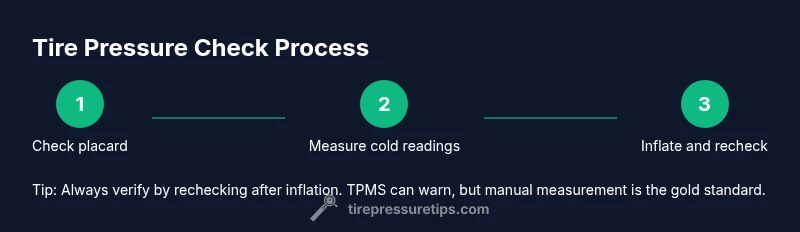
You can safely check and adjust tire pressure on a Toyota Highlander by using a reliable gauge, inflating to the vehicle placard value when the tires are cold, and rechecking after driving. Use TPMS alerts as a guide, inspect for uneven wear, and keep spare tire pressure in spec. Regular checks every month help prevent flats and improve mileage.
Why tire pressure matters for Toyota Highlander
Tire pressure isn’t just a number on the door placard; it affects handling, braking, tire wear, load capacity, and even fuel economy. The Highlander’s weight distribution, all-wheel-drive system, and common family-load scenarios make correct inflation particularly important for safety and performance. According to Tire Pressure Tips, maintaining proper tire pressure helps your Highlander respond predictably in emergency maneuvers, reduces rolling resistance, and prolongs tire life by avoiding underinflation and overinflation. The Tire Pressure Tips team found that drivers who regularly monitor tire pressure report fewer flat tires and lower risk of blowouts. Start with the placard values on the door jamb and treat those as the baseline for most driving conditions. Seasonal changes, load, and tire wear can shift the ideal pressure slightly, so plan to recheck periodically and adjust as needed.
Understanding the Highlander placard and tire pressure targets
Every Highlander comes with a tire pressure placard, usually located on the driver's door jamb or in the owner's manual. This placard lists the recommended cold-inflation pressures for front and rear tires, and often provides a separate figure for the spare. The exact numbers vary by trim, tire size, and model year, so always verify against your specific vehicle. Unlike speed or horsepower specs, tire pressure targets are practical guidelines tied to load and tire size. The placard values reflect the tire's maximum contact with the road at normal temperatures—not the maximum air pressure you should pump into the tires under any circumstance. If you rely on TPMS alone, you risk missing gradual leaks or incorrect readings once the system is triggered; TPMS serves as a warning, not a substitute for regular manual checks. For Highlander owners, a quick review of the placard each season helps maintain consistent performance.
Tools and supplies to check Highlander tire pressure
To check and adjust Highlander tire pressure accurately, assemble a simple toolkit. You should have a reliable tire pressure gauge (digital preferred for speed and accuracy), access to a source of clean, dry air (an on-site air pump or nearby service station), the vehicle's owner's manual and the door placard, and a notebook or app to log readings. If you plan to adjust pressures frequently, consider a portable air compressor that plugs into the 12V outlet for convenience when away from service stations. A nylon tire brush and soapy water bottle are helpful for quick leaks checks around valve stems, beads, and wheels. Finally, keep a spare valve core and pliers or a valve-core removal tool in your kit; these small items make fine adjustments easier and quicker.
How to check tire pressure when tires are cold
Begin with a cold tire check, ideally after the vehicle has rested for at least three hours or after driving less than a mile. Warm tires can show inflated readings that are artificially high, leading to overinflation if you inflate after use. Remove the valve cap from the tire valve, place the gauge on the valve stem, and note the reading. If your Highlander has separate front and rear targets, record both numbers. Refit the valve cap to prevent grit entry and store your gauge where it won't be damaged by road dust. If readings differ significantly between tires on the same axle, inspect for punctures, slow leaks, or damaged rims. Underinflation produces handling quirks and excessive heat, while overinflation can lead to a harsher ride and uneven wear.
How to inflate and adjust - step-by-step guidance
If a tire reads below the recommended cold pressure, use an air source to bring it up to spec. Attach the gauge to the valve and add air in small increments, checking after each addition. If you reach the target quickly, recheck to confirm the reading hasn't fluctuated; temperature and ambient conditions can cause small shifts. After inflating, reseal the valve cap and wipe away any moisture. Repeat for each tire, including the spare if you rotate regularly. If you routinely transport heavy loads or tow, consider rechecking pressures after loading to maintain correct contact with the road. Finally, keep track of your readings over time to catch slow leaks early.
Dealing with TPMS alerts and sensor considerations
Tire-Pressure Monitoring Systems (TPMS) provide early warnings when a tire's pressure drops, but they do not replace manual checks. Learn how the TPMS operates in your Highlander: a low-pressure warning typically occurs when a sensor reads a drop of a certain percentage below the placard value, which can differ by model year. Remember that TPMS activation requires a certain temperature and driving cycle, so a cold check remains essential for accuracy. Some wheels may delay sensor readings if the valve stem is damaged or the sensor is failing; if your TPMS light stays on after you adjust pressures, consult a professional to inspect sensors, hoses, or the battery in the sensor itself.
Seasonal factors: temperature, altitude, and load
Seasonal temperature changes have a practical effect on tire pressure because air expands with heat and contracts when cold. In colder months, pressures drop, so you may need to add air to maintain the placard values. Heavier loads, towing, or driving on rough roads can also influence pressure and tire wear; you may need to adjust slightly within the placard's permissible range. Altitude can cause the ambient pressure to shift; mountainous drives might feel the difference more. Always recheck after long trips, after loading the cargo, or after changing seasons. The Highlander benefits from a proactive approach to maintaining consistent inflation to minimize rolling resistance and maintain safe handling.
Common mistakes and how to avoid them
Common mistakes include inflating from a hot tire, relying on visual estimates, and using the maximum sidewall pressure as a target. Always check when cold, use the placard as the guide, and avoid overinflation which can cause tire damage or a harsher ride. Don’t overlook the spare tire; spare pressures often differ from road tires and failing to check it can lead to unexpected flats. Finally, integrate regular checks into your maintenance routine so tiny leaks are caught early and tires wear evenly across the tread.
Maintaining tire pressure for safety and mileage
Regular tire pressure maintenance is a cornerstone of safe driving, better fuel economy, and extended tire life for your Highlander. Adopting a routine—check on a cold tire, record readings, adjust to placard targets, and recheck after any load changes—helps prevent unsafe conditions. Pair tire pressure checks with other routine maintenance like tread depth inspection and wheel alignment to improve overall handling and mileage. The simple habit of keeping tires inflated to spec reduces rolling resistance and heat buildup, which translates to a safer drive, longer tire life, and consistent performance across weather and road conditions.
Tools & Materials
- Tire pressure gauge (digital preferred)(Ensure calibration before use)
- Owner's manual and door placard(Location usually on driver's door jamb)
- Air source (compressor or service station pump)(Prefer cold tires; avoid using overly hot stations)
- Notebook or app to log readings(Record date, tire, and reading)
- Valve core tool and spare valve cores(Useful for leaks and adjustments)
- Soap solution or leak spray(Check for slow leaks around valve stems)
Steps
Estimated time: 15-25 minutes
- 1
Gather tools and locate placard
Collect a reliable gauge, air source, and the Highlander placard. Confirm the front and rear tire targets from the placard and note any trim-specific differences. Having everything ready reduces trips back to the garage and keeps you efficient.
Tip: Double-check that the tires are cold before starting. - 2
Check tires when cold
Park on a level surface and wait for the tires to cool. Remove the valve cap, attach the gauge, and read the pressure. Record readings for each tire and compare with the placard targets.
Tip: If a reading is far from target, inspect for leaks or damage before adjusting. - 3
Inflate or deflate to target
Add air in small increments, then recheck after each addition. Avoid overinflation by stopping when you reach the target. Refit the valve cap after finishing.
Tip: Temperatures can influence readings; if you’re near target, recheck after a few minutes of rest. - 4
Check all tires, including spare
Repeat the process for each tire, including the spare if you rotate regularly. Spares can differ in recommended pressure, so verify before storage.
Tip: Keep a small log showing the date and psi for quick monitoring. - 5
Inspect for leaks and sensor status
Look for slow leaks around valve stems and rims. If a TPMS warning persists after adjusting, consult a professional to inspect sensors and related components.
Tip: Use soap solution on the valves to catch leaks you can’t see. - 6
Document and schedule follow-up
Note the readings and schedule the next check as part of regular maintenance. Seasonal changes may require adjustments, especially before long trips or when loading is expected.
Tip: Link checks to your tire rotation schedule for efficiency.
Frequently Asked Questions
Where can I find the recommended tire pressure for my Highlander?
Check the driver door jamb placard and the owner's manual; they specify front and rear pressures. TPMS does not replace placard values.
Look at the door jamb placard or owner's manual for Highlander tire pressures; TPMS should alert you if a tire is underinflated.
Should I check tire pressure when tires are hot or cold?
Always check when tires are cold for the most accurate reading. Checking hot tires can lead to overinflation if you add air after driving.
Check when tires are cold for accuracy; avoid inflating after a hot drive.
What if the TPMS shows a warning but all tires look fine?
A TPMS warning can indicate a slow leak or sensor issue. Verify with a manual check and inspect sensors if readings don’t align with the placard values.
If the TPMS warns but readings seem normal, double-check with a gauge and inspect sensors if discrepancies persist.
Is it okay to inflate tires to the maximum sidewall pressure?
No. Do not inflate to the tire’s maximum sidewall pressure. Use the placard target and adjust based on load and conditions.
Avoid inflating to the max; follow the placard, adjusting for load and driving conditions.
How often should I check Highlander tire pressure?
Check at least monthly and before long trips, after heavy loading, or when weather changes significantly.
Check monthly, plus before long trips and after loading or temperature changes.
Does tire pressure vary by trim or tire size on the Highlander?
Yes, the placard values can differ by tire size and trim. Always use the placard values specific to your vehicle’s tires.
Pressure targets can differ by tire size; use the placard specific to your Highlander.
Watch Video
What to Remember
- Check tires when cold for accuracy.
- Always follow the placard values for Highlander tires.
- Use TPMS as a warning, not a replacement for checks.
- Regular monitoring saves fuel and extends tire life.