Tire Pressure Guide for the Kawasaki Z900RS
A practical how-to guide for Kawasaki Z900RS owners on checking, adjusting, and maintaining tire pressures for safety and performance. Learn cold-vs-hot pressures, the right targets, and step-by-step procedures.


You can safely check and adjust tire pressures on your Kawasaki Z900RS to improve handling, safety, and tire life. Start with the bike cold, use a reliable gauge, and follow the manufacturer’s cold-psi targets for front and rear. Always inspect tires for wear, check TPMS if equipped, and reset gauges as needed.
Why tire pressure matters for the Z900RS
The Kawasaki Z900RS is a nimble motorcycle that rewards precise setup and attention to detail. Tire pressure is one of the most impactful adjustments you can make with minimal tools and time. Correct pressures help the tire maintain the intended contact patch, improving grip in dry conditions and giving predictable behavior in corners and under braking. For riders who frequently carry gear or a passenger, or who ride aggressively, load distribution shifts the required pressures. As Tire Pressure Tips notes, maintaining proper tire pressure is linked to better grip, safer braking, and longer tire life. This is not just about numbers; it’s about consistent performance ride after ride.
In practice, small changes in pressure can translate to meaningful differences in stability and steering effort. Underinflation causes the tires to deform more at the edges, generate excess heat, and wear the shoulders faster. Overinflation reduces the contact patch and can lead to a harsher ride, reduced grip, and uneven wear. On the Z900RS, where handling confidence matters, starting from the manufacturer’s target (cold) pressures and adjusting for load is a reliable approach. The Tire Pressure Tips team emphasizes that consistency matters more than chasing a perfect number on every ride.
Note: Always verify pressures with a calibrated gauge, and understand that ambient temperature affects readings. Colder days reduce the measured pressure, while heat from riding increases it. By adopting a routine, you’ll keep track of changes due to weather, seasons, and a rider’s evolving load.
Understanding cold vs hot tire pressures
Tire pressure is not a fixed value; it changes with temperature. The official targets you read on the Z900RS’s tire placard or in the owner’s manual are “cold” pressures. After a ride, tires heat up, and the pressure rises. If you inflate a warm tire to the cold target, you’ll overinflate once it cools, reducing grip and increasing wear. For accurate maintenance, measure when the tires are cold—ideally after the bike has been parked for at least three hours and before the first ride of the day.
When a tire is hot, the air inside expands, and measurements can be misleading. A practical rule is to always measure cold and, if you must check after a ride, only compare the delta to your prior, cold measurements. Consistency in measurement timing leads to more reliable decisions about adjustments. Tire Pressure Tips emphasizes that riders should develop a cold-check habit to avoid misreading targets and misjudging the air needed for the next ride.
Vehicle-specific pressure: locating the targets for your Z900RS
Your Z900RS’s exact tire pressures are specified by the manufacturer and can vary by tire model, load, and riding conditions. Start by locating the official targets on the tire placard near the swingarm or inside the owner’s manual. If you’re unsure where to find them, contact a dealer or consult the Kawasaki literature. Remember that the front and rear pressures are often different, and affecting factors include solo riding, luggage, and pillion use. If the vehicle is equipped with TPMS, a warning should prompt inspection, but you should still verify pressures manually with a gauge.
Where possible, use the recommended cold-psi targets as your baseline. For many sport-tandard bikes similar to the Z900RS, riders adjust pressures within a safe range that preserves grip and tire life, balancing handling with ride comfort. Always validate any suggested range against your specific tire type (brand, model, and size) and intended riding style. As Tire Pressure Tips analysis suggests, small, consistent adjustments can yield noticeable improvements in stability and wear patterns.
Tools you’ll need for accurate measurement
To measure tire pressure accurately on the Z900RS, you need a few reliable tools and accessories. Gather a calibrated tire pressure gauge (digital is preferred for its precision and ease of use), the bike’s owner’s manual or tire placard for the exact cold pressures, and a way to stabilize the bike (center stand or a paddock stand if available). A small spray bottle with soapy water is handy for quickly checking for slow leaks at valve stems or a damaged tire bead. Keep a notebook or phone note to record your readings after each check, so you can track changes over time.
Pro tip: choose a gauge that includes a bleed function so you can precisely reach the target pressure without overshooting. Regular calibration of your gauge is also essential to ensure readings stay accurate over months of use.
Step-by-step: how to check tire pressure on a Z900RS
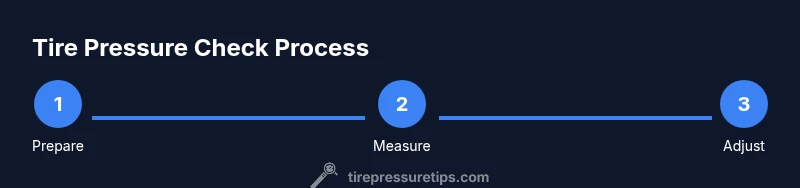
Checklists help keep this simple. The steps below are designed for a thorough, safe check.
-
Prepare and level the bike Description: Park on a level surface, turn off the engine, and allow the bike to cool. If you use a center stand, raise the bike to keep both wheels accessible. Remove valve caps and keep them in a safe place. Tip: Do not work on a hot tire; heat can skew readings and mask real underinflation.
-
Locate the target pressures Description: Retrieve the cold-pressure values from the owner’s manual or the tire placard. Front and rear pressures may differ, and some tires have different targets based on load and riding style. Tip: If you don’t see a placard, confirm with your local Kawasaki dealership or official service manual.
-
Attach the gauge and read the front tire Description: With the gauge on the valve stem, press firmly and read the measurement. If you see a significant difference from the target, prepare to adjust. Tip: If you’re at a route where you can bleed air, use the gauge’s bleed feature to fine-tune in small increments.
-
Adjust the front tire to the target pressure Description: If underinflated, add air until you reach the target. If overinflated, carefully release air in small amounts until you match exactly. Tip: Avoid overshoot by measuring after each adjustment; a single deflation or inflation can throw you off if you rush.
-
Read and adjust the rear tire Description: Repeat the process on the rear tire. Ground clearance and weight distribution often cause different pressures than the front. Tip: Re-check both tires after adjusting to ensure the readings align with the targets.
-
Re-cap and record results Description: Reinstall valve caps, wipe any spilled air, and note the pressures, the ambient temperature, and any riding changes (e.g., new tires or luggage). Tip: A short log improves future decisions and helps catch gradual changes over time.
EstimatedTime: 20-40 minutes
Tools & Materials
- Tire pressure gauge (digital preferred)(Calibrated; read in PSI; use gauge with a bleed function)
- Owner's manual or tire placard(Front/rear cold pressures; model-specific targets)
- Valve caps(Keep on hand; replace if damaged)
- Soapy water spray(For quick leak checks at valve stems)
- Notebook or digital log(Track readings over time)
Steps
Estimated time: 20-40 minutes
- 1
Gather tools and locate targets
Collect your gauge, the manual/placard, and a clean work area. Confirm the exact cold pressures for the Z900RS front and rear before you start, noting any load-specific adjustments.
Tip: Having the targets written down reduces guesswork and speeds up the check. - 2
Park and prepare the bike
Place the bike on a level surface or center stand. Ensure the ambient temperature is stable and the tires are cold before you begin reading.
Tip: A stable, level setup minimizes measurement errors. - 3
Read the front tire pressure
Attach the gauge to the front valve stem and read the pressure. If it’s below target, prepare to inflate; if above, plan to bleed air.
Tip: Use the bleed function for precise adjustments. - 4
Adjust the front pressure to target
Inflate or deflate in small increments until the gauge shows the exact target pressure. Recheck after any adjustment.
Tip: Make adjustments in small steps to avoid overshooting. - 5
Read the rear tire pressure
Repeat the measurement process on the rear tire and compare against the rear target.
Tip: Rear pressures can differ from the front based on load. - 6
Adjust the rear pressure to target
Fine-tune the rear pressure to match the recommended value. Re-check both tires to confirm accuracy.
Tip: Consistency across both tires improves stability. - 7
Document and finish
Reattach valve caps, wipe off any residue, and record the readings and ambient conditions for future reference.
Tip: A simple log helps track changes over time.
Frequently Asked Questions
Why should I check tire pressure when the bike is cold?
Cold tires reflect true pressure without the heat inflating the air and skewing readings. Checking cold ensures you set pressures accurately for grip and wear.
Check the tires when they’re cold for an accurate reading and safer adjustments.
How often should I check tire pressure on a Z900RS?
Check before long rides and at least weekly for daily use. If you ride with luggage or a passenger, verify more often.
Check weekly or before long trips to stay safe.
What if my TPMS warns about low pressure on a motorcycle?
TPMS on motorcycles is less common; use the manual gauge to verify, then inspect for leaks or damage if readings don’t match.
If the TPMS warning comes on, double-check with a gauge and inspect the tire.
Can I adjust tire pressure for track days or sport riding?
Yes, but stay within the manufacturer’s recommended range and adjust based on tire type and load. Consult the manual for any track-specific guidance.
Track days may need different targets; check the manual.
What are signs of underinflation or overinflation in tires?
Underinflation makes the sidewalls flex and wear on the edges; overinflation reduces contact patch and grip. If handling feels off, recheck pressures.
Look for odd handling or abnormal wear and verify pressure.
How do I verify tire pressures consistently?
Use a reliable gauge, measure cold, and calibrate the gauge regularly. Keep a log of readings with dates and temperatures.
Use a good gauge and track readings over time.
Watch Video
What to Remember
- Check cold tire pressures before rides
- Use a calibrated gauge and bleed to target accurately
- Match front and rear pressures to load and riding style
- Record readings to track changes over time
- Confirm targets in the owner manual or placard