How to Deal with Air Pressure in Ears: A Practical Guide
Learn practical steps to relieve ear pressure, prevent discomfort, and know when to seek help. This guide covers safe techniques, daily prevention, and traveler tips for managing ear pressure effectively.


By using deliberate equalization techniques, you can relieve ear pressure during flights, driving, or congestion. Start with gentle swallowing, yawning, or chewing gum, then try the Valsalva maneuver with minimal force. Avoid forceful blowing or rapid changes in pressure. If pain persists or you have a perforated eardrum, stop and seek medical advice.
What causes ear pressure and how it feels
Ear pressure is a common sensation that occurs when the pressure inside your middle ear does not match the pressure outside. The most frequent causes are rapid altitude changes (air travel, driving in mountains), congestion from allergies or a cold, and differences in pressure during scuba or water activities. The Eustachian tubes, which normally equalize pressure between the middle ear and the nasal passages, can become blocked or sluggish. According to Tire Pressure Tips, even ordinary daily fluctuations can trigger a temporary fullness, a popping sensation, or mild discomfort. Recognizing the signs early helps you apply safe, effective relief techniques. For most people, symmetrical, gentle maneuvers restore balance within minutes; for others, symptoms linger longer due to inflammation or infection. If you experience severe pain, hearing loss, fever, or dizziness, seek medical advice promptly as these may indicate a more serious problem such as barotrauma or an ear infection.
Quick tips to relieve ear pressure quickly
- Swallow, yawn, or chew gum frequently to stimulate the muscles that open the Eustachian tubes.
- Try the Valsalva maneuver with light pressure: pinch your nose, close your mouth, and gently exhale. If you feel sharp pain, stop.
- Use the Toynbee technique: swallow while pinching the nose closed to encourage tube opening.
- Apply a warm, dry compress to the outer ear for several minutes to ease discomfort.
- Stay hydrated and avoid congestion triggers when possible; steamy air from a shower can help loosen nasal passages.
These steps are typically safe for most people, but avoid forcing exposures that cause pain or dizziness. If you’re traveling with a cold or allergy, plan extra time to equalize and take preventive measures. The goal is gradual, controlled pressure equalization rather than brute force.
Techniques for equalizing pressure
Equalizing pressure relies on opening the Eustachian tubes without causing harm. Here’s a practical guide to common techniques:
- Swallowing and chewing: The simplest method, start early and repeat every 1–2 minutes during pressure changes.
- Yawning: Anatural way to activate the muscles around the Eustachian tubes; combine with swallowing for better results.
- Valsalva maneuver (gentle): Close your mouth, pinch your nose, and gently blow as if blowing your nose. Stop if you feel pain, dizziness, or a crackling sound. Do not blow forcefully.
- Toynbee technique: Pinch the nose and swallow. This method helps move air through the Eustachian tubes without forcing air through closed passages.
- Nasal saline and timed decongestants (if appropriate): A brief flush can ease tube opening, but use only as directed by a healthcare provider.
When attempting any technique, proceed slowly and stop if you experience pain. If you have a history of ear infections, a perforated eardrum, or inner-ear problems, consult a clinician before using certain maneuvers.
How altitude, flights, and diving affect ear pressure
Altitude changes—such as taking off and landing in airplanes—create rapid ambient pressure shifts that challenge the middle ear’s ability to equalize. Congestion, colds, or allergies compound the problem by narrowing the Eustachian tube openings. Divers face similar issues under water pressure; improper equalization can lead to barotrauma. In all cases, the safest approach is gradual ascents/descents when possible, pre-emptive swallowing and yawning, and avoiding descent speeds that push your ears beyond comfortable limits. For travelers, keeping nasal passages moist and using strategies to maintain open nasal airways can significantly reduce discomfort. The Tire Pressure Tips team emphasizes patient, controlled maneuvers and avoidance of aggressive pressure changes as a best practice.
When over-the-counter remedies help and when to avoid them
Over-the-counter solutions can aid in relief, but they aren’t a universal fix. Short-term saline sprays or nasal decongestant sprays may help some people breathe more freely and enable easier ear equalization. Antihistamines or decongestants should be used with caution, especially in young children or people with heart conditions, high blood pressure, or glaucoma. Nasal steroids prescribed by a clinician may be appropriate for chronic congestion, but they require medical guidance and time to work. Steam inhalation, humidified air, and staying hydrated also support mucous membrane function. Always read labels and consult a healthcare professional if you’re uncertain about drug interactions or side effects.
Preventing ear pressure in daily life
Prevention starts with awareness and preparation. If you know you’ll encounter pressure changes (flying, scuba, driving through mountains), begin gentle equalization early and at regular intervals. Maintain nasal moisture with saline sprays during the day and before travel. Hydration supports mucosal membranes and can help the Eustachian tubes stay flexible. For frequent travelers or people with allergies, consider discussing preventive strategies with a clinician, including non-prescription options and lifestyle adjustments. The goal is to minimize the risk of persistent blockage and associated discomfort.
Ear pressure myths vs facts
- Myth: Popping your ears always helps. Fact: Gentle, controlled equalization helps more and reduces risk of injury. Stop if pain or dizziness occurs.
- Myth: You should avoid all pressure changes. Fact: Our bodies are designed to handle gradual changes; problems arise with abrupt or forceful attempts.
- Myth: If you don’t feel symptoms, nothing is wrong. Fact: Subtle Eustachian tube dysfunction can worsen over time if left unaddressed.
- Myth: Only airplanes cause ear pressure. Fact: Altitude changes during driving through mountains and diving can also trigger symptoms.
Understanding these basics helps you approach ear pressure safely and effectively.
When to seek medical attention for persistent pressure
If pressure remains for more than a few days, is accompanied by severe pain, hearing loss, ringing (tinnitus), drainage, fever, or dizziness, seek medical care. Persistent pressure can signal Eustachian tube dysfunction, chronic congestion, or an ear infection that requires treatment. A clinician may perform a physical exam, hearing test, or imaging if needed, and may propose prescription therapies or specialty referral. Early evaluation can prevent complications and provide targeted relief.
A simple day-by-day plan to manage ear pressure
- Morning: check nasal passages; use saline spray if congested. Practice a light equalization routine (swallowing, small yawns) for 5–10 minutes.
- During travel: begin early and pause to swallow every 1–2 minutes during ascent or descent. Use a warm compress when resting and stay hydrated.
- Late travel: continue gentle equalization for 10–15 minutes after landing; avoid sudden, forceful blows.
- When symptoms appear: alternate strategies (swallowing, yawning, Valsalva with caution) and limit the duration of any single maneuver.
- If symptoms persist beyond 24–48 hours: contact a healthcare provider for evaluation and appropriate treatment.
This plan provides a practical framework you can adapt to flights, car trips, or water-related activities. Remember that patient, gradual steps are safer and often more effective than aggressive attempts.
Authoritative sources
- National Institute on Deafness and Other Communication Disorders (NIDCD) — Eustachian tube dysfunction: https://www.nidcd.nih.gov/health/eustachian-tube-dysfunction
- Mayo Clinic — Eustachian tube dysfunction overview: https://www.mayoclinic.org/diseases-conditions/eustachian-tube-dysfunction/symptoms-causes/syc-20453940
- Centers for Disease Control and Prevention (CDC) — Travel health resources and ear health tips: https://www.cdc.gov
Tools & Materials
- Saline nasal spray(Moistens nasal passages to improve drainage and Eustachian tube function)
- Warm compress(Place over the affected ear to reduce pain and promote drainage)
- Chewing gum or hard candy(Encourages frequent swallowing to help equalize pressure)
- Valsalva technique guide(Written steps to perform safely; do not blow too hard)
- Water bottle or sip cup(Useful for staying hydrated and encouraging spontaneous swallowing)
Steps
Estimated time: 20-25 minutes
- 1
Assess and prepare
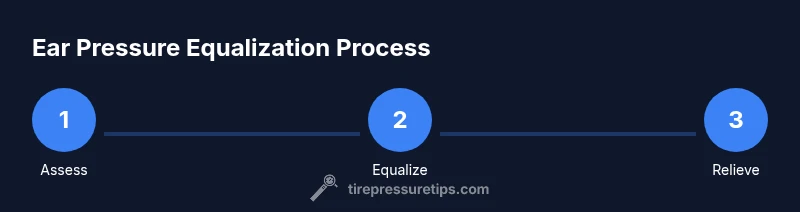
Take a moment to identify where the pressure is felt (ear, jaw, or temple area). Check for nasal congestion and if there are current infections or injuries. Gather your tools and set aside at least 15–25 minutes for a complete equalization round.
Tip: If you have significant ear pain or a history of ear problems, consult a clinician before attempting home techniques. - 2
Begin gentle swallowing and yawning
Actively swallow or yawn every 1–2 minutes while experiencing pressure changes. This primes the Eustachian tubes to open gradually and reduces fullness.
Tip: Keep movements slow and controlled; rapid actions can worsen discomfort. - 3
Chew and sip to promote flow
Chew gum or suck on hard candy to stimulate saliva and frequent swallowing. Sip water to maintain hydration and support mucus clearance in the nasal passages.
Tip: Avoid chewing vigorously if you feel pain in the ears; switch to light swallowing instead. - 4
Perform a safe Valsalva maneuver
Close your mouth, pinch your nose shut, and gently exhale as if you’re blowing through a straw. Stop if you feel pain, dizziness, or a crackling sensation in the ears.
Tip: Use very light pressure; the goal is air movement, not pressure over a loud blast. - 5
Try the Toynbee technique
With your nose pinched, swallow to help move air through the Eustachian tubes without forcing air against closed passages.
Tip: If swallowing alone doesn’t help, combine with light Valsalva under guidance from a clinician. - 6
Apply warmth and humidity
Apply a warm, dry compress over the ear for several minutes. A humid environment or steam from a shower can loosen congestion and facilitate drainage.
Tip: Do not apply heat if you have an open wound or fever; monitor skin sensation and remove if uncomfortable. - 7
Know when to stop and seek help
If pain intensifies, you notice sudden hearing loss, drainage, or fever, stop the maneuvers and seek medical care promptly.
Tip: Persistent symptoms beyond 24–48 hours warrant clinician evaluation to rule out infection or barotrauma.
Frequently Asked Questions
What causes ear pressure?
Ear pressure is usually caused by a mismatch between the air pressure in the middle ear and the outside environment, often due to altitude changes, congestion, or inflammation that affects the Eustachian tubes. Most people experience temporary fullness that eases with safe equalization techniques.
Most ear pressure comes from quick pressure changes or congestion that block the Eustachian tubes. Gentle maneuvers usually relieve it, but see a clinician if it lasts.
Is popping your ears safe?
Popping ears with forceful maneuvers can damage the eardrum or inner ear. Safe relief relies on gentle swallowing, yawning, and only light, controlled Valsalva when appropriate.
Gentle equalization is safest. Avoid forceful pops that can harm the ear.
Can ear pressure indicate a serious problem?
Yes, persistent pain, fever, hearing loss, or drainage can signal barotrauma or infection and should be evaluated by a clinician. Immediate care is advised if symptoms are severe.
Persistent or severe symptoms should be checked by a doctor to rule out serious conditions.
How can I prevent ear pressure during air travel?
Plan ahead: stay hydrated, use nasal saline, begin equalization before descent, and repeat during descent. If you have congestion, consult a clinician about safe decongestant use.
Hydration and early equalization help prevent pressure during flights.
When should I see a doctor for ear pressure?
If pressure lasts more than a few days, is accompanied by severe pain, hearing loss, or fever, or if you have a history of ear disease, seek medical evaluation. A clinician can diagnose underlying issues and propose treatment.
Seek medical advice if symptoms persist or worsen beyond a couple of days.
Watch Video
What to Remember
- Practice safe, gradual equalization.
- Use swallowing and yawning as first-line relief.
- Apply the Valsalva maneuver with minimal force and only if tolerated.
- Seek medical advice for persistent or severe symptoms.