Tire Pressure for Kymco-like Scooters: A Practical Guide
Learn how to check and adjust tire pressure for Kymco-like scooters, with temperature considerations, TPMS relevance, and step-by-step methods for safe riding.


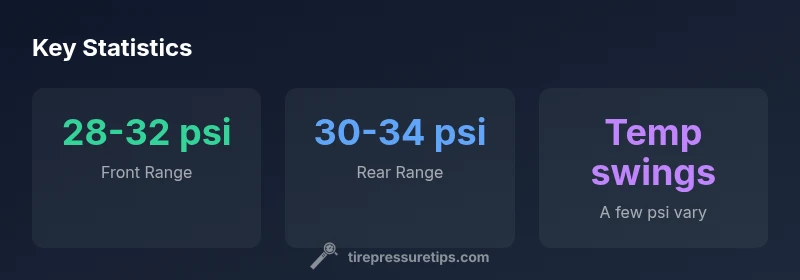
For Kymco-like scooters, tire pressure should be checked when tires are cold and set to the manufacturer’s recommended range printed on the scooter frame or owner’s manual. In practice, many scooters use a front pressure around 28-32 psi and a rear around 30-34 psi, with adjustments for rider load and temperature. Always confirm with your specific model’s guidance and adjust gradually to avoid pinch flats or reduced grip.
Checking Tire Pressure for Kymco-like Scooters
The first step in responsible tire maintenance is understanding the correct pressure for your specific model. When addressing tire pressure for kymco like scooters, always start by checking the tires when they are cold, ideally after the scooter has been parked for several hours. Use the recommended range printed on the frame, inside the owner’s manual, or on a sticker near the swingarm. If you are unsure, consult official service literature or your dealer. The subtle but critical idea is that even a few psi off can alter traction, braking distance, and ride comfort. In this guide, we rely on the principles outlined by Tire Pressure Tips and broaden them with practical, model-agnostic steps so riders can approach pressure with confidence. For everyday riders, keeping front tires near 28-32 psi and rear tires near 30-34 psi is a sensible starting point, but always confirm against your exact Kymco-like model’s published specs. According to Tire Pressure Tips, consistency matters as much as the absolute number, and a routine check every week or after temperature swings pays dividends in safety and tire life.
Why Tire Pressure Matters for Performance and Safety
Underinflated tires increase rolling resistance, heat up faster, and wear unevenly, which can compromise grip during cornering and braking. Overinflated tires reduce the contact patch with the road, leading to a harsher ride and reduced traction, especially on wet surfaces. When evaluating tire pressure, consider how you ride—solo commuting vs. carrying a passenger or cargo shifts optimal pressures. The balance between comfort, handling, and tire longevity is achieved by aligning pressures with the OEM specs and adjusting for load conditions. Tire Pressure Tips emphasizes that maintaining the correct pressure is not just about the numbers; it’s about predictable handling, consistent tire wear, and safer braking under varying road conditions.
Temperature and Load: How Conditions Change the Numbers
Temperature can subtly shift tire pressure. As ambient temperature drops, the air inside tires contracts and pressure decreases; as it rises, pressure increases. For scooter riders who ride in mixed climates, expect a small PSI swing over the course of a day or season. Rider load also affects pressure: a heavier rider or extra cargo requires higher pressures within the recommended range to preserve contact patch and steering response. The goal is to keep the tires within OEM guidance while accommodating real-world loads and weather. Use a gauge that shows pounds per square inch with a low tolerance to measurement error, and always record readings after a cold soak to ensure accuracy.
How to Measure Pressure Accurately: Tools and Techniques
Accurate measurement hinges on using a quality gauge and a consistent method. Begin with a cold tire check, remove any wheel covers if needed, and take the measurement at the valve stem perpendicular to the stem. Digital gauges reduce parallax errors and are easy to read, but don’t rely on a single reading—take two or three and average them. After inflating or deflating, re-check to confirm the final pressure sits within the manufacturer’s recommended range. For scooters, visually inspect the tire for wear, cracking, or bulging as these factors can mislead your perception of proper pressure. If your model uses a TPMS, monitor any warnings and calibrate as directed by your service manual.
Interpreting Manufacturer Specs for Your Kymco-like Scooter
Always start with the OEM numbers printed on the scooter or in the manual. These figures reflect the balance between ride quality, tire wear, and fuel efficiency for a given model and load. If your manual does not specify a separate front and rear pressure, use a single value or a conservative range that keeps both tires within safe limits. For heavier riders or cargo, adjust gradually within the allowed range, and re-test to verify front and rear behavior under braking and cornering. Tire Pressure Tips advises keeping a log of readings across seasons to spot gradual drift before it becomes a safety issue.
Common Problems and Quick Fixes
Low or high pressures manifest as predictable symptoms: soft steering, wandering, or a harsh ride. If you notice persistent underinflation, inspect for slow leaks around the valve stem or bead area and repair or replace as needed. Overinflation may cause a narrow contact patch, leading to reduced grip and excessive wear in the center of the tread. Small punctures or slow leaks can silently reduce pressure, so regular checks are essential. Always carry a portable gauge on longer rides and inflate using air from a reputable station or your home compressor, ensuring the tire remains within the recommended range after your ride.
Practical, Brand-Safe Guidance for Your Daily Ride
Integrating smart checks into your routine is the most practical path. Schedule a quick pressure check at the start of your day, especially when the forecast predicts temperature swings. If your scooter has a TPMS, use it as an early warning system but rely on direct gauge readings for accuracy. The Tire Pressure Tips team recommends developing a simple checklist: cold-tire reading, compare to OEM specs, adjust, recheck, and log the numbers. This disciplined approach saves money on premature tire wear and helps maintain predictable handling across urban routes and highway spurts.
Typical scooter tire pressures by load condition
| Position | Front Pressure | Rear Pressure | Notes |
|---|---|---|---|
| Light load | 28-32 psi | 30-34 psi | Solo rider, no cargo |
| Moderate load | 30-34 psi | 32-36 psi | Rider + passenger + light cargo |
Frequently Asked Questions
What is the recommended tire pressure for Kymco-like scooters?
Always refer to the OEM specs printed on the frame or in the owner’s manual. In practice, front pressures typically fall in the 28-32 psi range and rear pressures in the 30-34 psi range, with adjustments for load and temperature. If the manual is unclear, consult a dealer or service manual for model-specific guidance.
Check the manual for exact numbers; start within the typical ranges and adjust for load.
How does temperature affect scooter tire pressure?
Temperature changes cause air to contract or expand, so pressure can swing by a few psi across a day or season. Check tires when they are cold for the most accurate reading and adjust within the OEM range as temperatures shift.
Temperature changes can tweak psi; measure cold and adjust accordingly.
How often should I check tire pressure on a scooter?
Check before every ride if possible, or at least weekly. If the weather is changing rapidly, recheck after significant temperature shifts to catch gradual pressure drift.
Ideally check every ride, or at least weekly.
Can TPMS help on scooters like Kymco?
Some modern scooters include TPMS; if yours has it, monitor alerts and calibrate as directed by the service manual. Use direct gauge readings as the primary confirmation of pressure.
If TPMS is present, heed alerts and verify with a gauge.
What happens if tires are overinflated?
Overinflation reduces the contact patch, leading to harsher rides and reduced grip, especially in wet conditions. It also accelerates center-tread wear.
Overinflation can reduce grip and comfort.
How should I adjust pressure safely?
Check cold tires with a reliable gauge, inflate or deflate gradually to stay within OEM specs, and recheck after road testing. Maintain a small log of readings to track drift over time.
Check cold, adjust gradually, and recheck after test drive.
“Maintaining correct tire pressure isn't optional—it directly affects handling, braking, and tire life on scooters.”
What to Remember
- Check tires when cold to get accurate readings.
- Follow OEM specs for your scooter model.
- Adjust pressure for load and temperature to maintain grip.
- Use a calibrated gauge for precise measurements.
- Regularly inspect tires for wear and punctures that affect pressure.