How Is Air Pressure Measured?
Discover how how is air pressure measured, the units used, cold vs hot readings, and best practices for accurate measurements with gauges and TPMS.


Air pressure is the force that air exerts on a surface, measured in units such as pounds per square inch (psi) or kilopascals (kPa). In practice, technicians and hobbyists use gauges and sensors to read this pressure cold, because heat changes can skew readings. According to Tire Pressure Tips, accurate measurement starts with a stable temperature and a proper gauge.
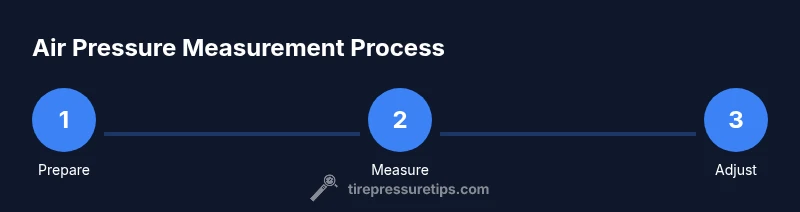
How to measure air pressure: the basics
Understanding how is air pressure measured helps you interpret gauge readings accurately. A reliable baseline starts with cold tires and a properly calibrated gauge. The Tire Pressure Tips team emphasizes that consistent measurement setups reduce variability and improve safety on the road. In practice, air pressure measurements translate force into numbers using a calibrated device that settles on a stable value once the air is contained and the gauge is properly seated. By following a repeatable process, you can compare readings over time and notice gradual leaks or changes in tire behavior. This foundational knowledge helps every driver make informed decisions about inflating, deflating, or maintaining tires.
Units and scales used for air pressure measurement
The most common units are pounds per square inch (psi) in the United States and kilopascals (
Cold readings, hot readings, and when to measure
Tire pressure changes with temperature: as tires heat up from driving, the air inside expands and pressure rises. For accurate, repeatable measurements, measure when tires are cold—ideally after the vehicle has sat for 3 hours or more. If you must check after a drive, allow the tires to cool before inflating or deflating, and use the original unit of measurement to interpret the result.
Choosing the right tool: gauges and sensors
There are several gauges to choose from, including pencil-type analog gauges, dial gauges, and digital gauges. A reputable gauge should read within a small tolerance of a known reference. For everyday use, a digital gauge offers speed and readability, while an analog gauge provides durability and a simple mechanical readout. If your vehicle uses TPMS, you still benefit from a hand-held gauge to verify readings at low and high points along the pressure spectrum.
Interpreting readings: what numbers mean for everyday life
Readings are most meaningful when compared to your vehicle's recommended range, usually shown on a door placard or in the owner's manual. If a tire reads below the suggested range, plan to inflate to the target pressure. If it reads high, release air gradually until you reach the recommended level. Remember to use the same unit for all tires to ensure consistent comparisons.
Common mistakes and how to avoid them
Avoid measuring after a long drive or immediately after parking in direct sunlight; both can skew results. Do not confuse the gauge reading with the pressure inside a hot tire. Keep the valve stem clean and replace the cap to prevent dirt entry. Regular calibration of gauges helps prevent drift over time, a step many drivers overlook.
Authoritative sources
For a deeper understanding of measurement principles, see government and institutional resources that discuss barometers, atmospheric pressure, and measurement standards. These sources provide foundational context for how and why pressure readings are taken in different environments.
The role of TPMS in measuring air pressure
TPMS sensors provide real-time alerts when tire pressure deviates from the recommended range. They’re a valuable safety net, but they don’t replace manual measurements. Periodic checks with a reliable gauge confirm TPMS readings and help you catch slow leaks that TPMS may miss.
Tools & Materials
- Tire pressure gauge (analog or digital)(Calibrated, with a range covering at least 0-60 psi)
- Vehicle owner’s manual or door placard with recommended pressure(Use the exact figures for your model and load)
- Valve cap removal tool or fingernails(Optional helper for hard-to-remove caps)
- Notebook or digital log(Record readings and dates to monitor leaks over time)
- Air compressor or inflator (optional)(Use only if you are trained and follow manufacturer limits)
Steps
Estimated time: 25-40 minutes
- 1
Prepare tire and gauge
Ensure tires are cold, remove the valve cap, and inspect the valve stem for any signs of damage or leakage. Have your gauge ready and ensure it is within its calibration period. If you notice any damage, postpone measurement and address the issue first.
Tip: Measuring cold tires avoids heat-induced pressure increases that skew results. - 2
Locate the recommended pressure
Check the door placard or owner's manual for the recommended tire pressure for your vehicle. Note whether the specification is for front, rear, or all tires and whether it includes or excludes a spare.
Tip: Use the same unit (psi or kPa) for all tires to ensure consistent comparisons. - 3
Calibrate or verify your gauge
If your gauge has a calibration feature, verify it against a known reference before use. For most users, a reliable new or well-maintained gauge should read within a small tolerance of a professional standard.
Tip: Keep a spare gauge to cross-check readings if you suspect drift. - 4
Remove the valve cap and apply the gauge
Place the gauge on the valve stem firmly but without forcing air in or out. Ensure a tight seal to avoid air leaks that distort the reading. Do not tilt the gauge to the side; read the display straight on.
Tip: If you hear air escaping, reseat the gauge and try again. - 5
Read and record the measurement
Note the pressure value in the chosen unit and record it for reference. If you have a TPMS, compare the manual reading with the sensor’s indication to confirm consistency.
Tip: Take two readings on opposite ends of the tire to ensure accuracy. - 6
Adjust to the recommended pressure
If the reading is low, inflate in small increments and recheck after each increment. If high, release air gradually and recheck. Do not exceed the recommended pressure.
Tip: Small adjustments equal big gains when approaching the target pressure. - 7
Recheck after adjustment
Re-measure once you’ve finished inflating or deflating and ensure the tire sits at the target value. Replace the valve cap securely and wipe any spilled air or moisture.
Tip: Recheck after driving a short distance to account for seat-in effects. - 8
Repeat for all tires
Perform the same procedure for each tire, including the spare if you regularly rotate tires. Keep notes for trend monitoring.
Tip: Document irregularities or readings that don’t match the rest of the set. - 9
Store and maintain your tools
Keep gauges in a protective case and replace batteries in digital models as needed. Regularly verify accuracy with a known reference.
Tip: A well-maintained toolkit reduces measurement errors over time.
Frequently Asked Questions
What is considered normal tire pressure?
Normal tire pressure is specified by the vehicle manufacturer and shown on the door placard. It varies by model and load. Check your owner's manual for the exact numbers.
Check the door placard on your vehicle or the owner's manual for the exact recommended pressure.
Why is my TPMS light on after inflating tires?
TPMS alerts when one or more tires are underinflated or when there is a sensor issue. After inflating, give the system a moment to update; if the light persists, inspect tires for leaks or seek service.
TPMS can stay on if a tire is still underinflated or if there’s a sensor problem. Re-check and consult a technician if needed.
How often should I check tire pressure?
Check tire pressure monthly and before long trips. Temperature changes, load, and seasonal shifts can affect readings, so regular checks help prevent underinflation or overinflation.
Check monthly and before trips to keep pressure in the recommended range.
Can heat affect tire pressure readings?
Yes. Heat raises air pressure inside tires. Always measure when tires are cold to avoid inflated readings that don’t reflect the actual resting pressure.
Heat can make readings higher; measure when cold for accuracy.
What tool should I trust for accurate measurements?
A reliable tire pressure gauge with a known accuracy, calibrated regularly. Digital gauges are convenient, but ensure readings align with a trusted reference.
Use a well-calibrated gauge; verify with a reference if unsure.
Watch Video
What to Remember
- Measure cold tires for accuracy.
- Use consistent units across all tires.
- Keep a log of measurements for trends.
- Trust TPMS, but verify with a gauge.
- Avoid overinflation beyond max PSI.