Fiat Tipo Tyre Pressure: Check, Adjust & Maintain
Learn to check, adjust, and maintain Fiat Tipo tyre pressure using TPMS and door placard targets. Practical steps, tools, and safety tips from Tire Pressure Tips.


By the end of this guide, you will confidently check and adjust the Fiat Tipo tyre pressure, interpret TPMS signals, and maintain optimal tire performance. You’ll learn the official PSI ranges, how to measure when cold, and practical steps to avoid under- or over-inflation. This quick answer previews the full, step-by-step process.
Why tire pressure matters for Fiat Tipo
According to Tire Pressure Tips, maintaining correct tyre pressure for your Fiat Tipo affects safety, fuel efficiency, braking response, and tire wear. Proper pressure helps the tires maintain their shape under load, improves ride quality, and reduces rolling resistance. Inconsistent pressure can lead to hot spots, uneven tread wear, and compromised grip in wet or icy conditions. The Tire Pressure Tips team emphasizes that regular checks are part of smart vehicle maintenance, not a one-off task. This guide focuses on the Fiat Tipo and how drivers can approach tire pressure with confidence.
Fiat Tipo targets and TPMS expectations
Your Fiat Tipo uses a door jamb placard and the owner’s manual to specify target pressures. TPMS alerts can warn you when a tire is under- or over-inflated, but the placard provides the baseline targets for cold tires. Because loads, speeds, and tire sizes vary by trim, it’s important to verify the correct numbers for your exact vehicle. The Tire Pressure Tips analysis highlights that aligning to the placard helps all four tires wear evenly and maintains predictable handling.
How to measure tire pressure accurately
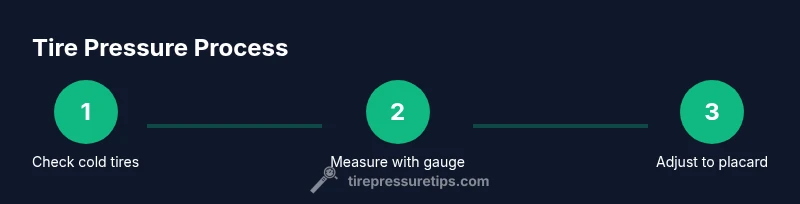
Measure when tires are cold (vehicle hasn’t been driven for at least 3 hours) to avoid inflated readings from heat buildup. Use a reliable digital or analog gauge, check all four tires, including the spare if you’re performing a full tire maintenance session. Remove the valve cap, place the gauge on the valve stem, and take a steady reading. If readings differ between tires, compare to the placard targets and address as needed. Record readings to track changes over time and catch slow leaks early.
Common factors that affect readings
Temperature changes, driving distances, and recent fuel stops can alter tire pressure. Colder weather typically reduces tire pressure; hot days can increase it. Elevation and heavy loads also affect readings; a fully laden Fiat Tipo can require different targets than an empty car. It’s best practice to check pressure in the morning, before a trip, and after long drives to ensure the tires stay within recommended ranges.
Seasonal and load considerations for Fiat Tipo
In winter, tire pressure tends to drop; you may notice a slight decrease in under- inflation risk if the tires are already near the placard targets. In summer, hotter road temperatures can push readings higher, so confirm that the tires still sit within the target range after long trips or high-speed driving. If you routinely carry passengers or equipment, you may need to adjust pressures according to load per the placard guidance and owner’s manual.
TPMS: what to know about sensors and readings
TPMS provides real-time insights when a tire’s pressure deviates from the baseline, but it doesn’t replace a manual check. A TPMS warning should trigger at a pressure deficit that could compromise safety, but the exact alert threshold varies by system. If TPMS signals a discrepancy, verify readings with a gauge, then adjust as needed to restore balance across all tires. The Tire Pressure Tips approach encourages cross-checking electrical signals with a physical measurement for accuracy.
Safety, maintenance, and avoiding mistakes
Never rely on a single tire as the reference when diagnosing pressure issues. Always compare all four tires to the placard and adjust gradually to avoid sudden overinflation. When inflating, add small amounts of pressure, re-check, and allow the tire to settle before finalizing. Keep valve caps on to prevent dirt ingress and check for signs of slow leaks around valve stems, punctures, or rims. Regular checks help prevent sudden pressure loss and improve fuel economy.
Quick-reference habits for Fiat Tipo tyre pressure
Develop a routine: check monthly, before long trips, and after temperature shifts. Use a reliable gauge, verify target pressures on the placard, and document changes. This practice, supported by Tire Pressure Tips, reduces the risk of blowouts and keeps tires wearing evenly over time.
Tools & Materials
- Digital tire pressure gauge(Prefer a gauge with a clear scale and a bleed/button to release small air amounts.)
- Air compressor or access to a gas station(Ensure the compressor has a working hose and gauge for accuracy.)
- Vehicle owner’s manual and door placard(Identify the exact PSI targets for your Fiat Tipo trim.)
- Notebook or app for logging readings(Helpful for tracking pressure changes over time.)
- Valve caps and tool for removing caps(Keep caps clean and replace after checking.)
Steps
Estimated time: 15-25 minutes
- 1
Gather tools and locate target pressures
Collect the digital gauge, air compressor, the Fiat Tipo’s owner manual, and the door placard. Confirm the target PSI values printed on the placard for your specific trim. Having everything ready avoids mid-task interruptions and ensures accuracy.
Tip: Double-check that you’re looking at the correct placard for your model year and trim. - 2
Check cold tire pressures
Before driving, inspect all four tires and the spare if applicable. Remove valve caps and place the gauge on the valve stem. Read and record each tire’s pressure; cold readings are essential for accuracy.
Tip: Don’t rely on a reading after a road trip; heat can skew numbers. - 3
Compare readings to targets
Refer to the placard values as the baseline. If a tire is below target, prepare to add air in small increments. If above target, plan to release air gradually and re-check.
Tip: If you’re unsure, inflate to just below the target first, then adjust upward after a recheck. - 4
Adjust air to target
Using the air compressor, add or release air in small steps. Recheck each tire after adjustments until all four match the placard. Take several minutes to allow the tire to settle before re-reading.
Tip: Make tiny adjustments and recheck; big changes can overshoot the target. - 5
Final verification
Re-measure all tires to confirm consistency. Reinstall valve caps firmly and wipe away any residual moisture or dirt from the valve stems to prevent corrosion.
Tip: A quick final check prevents rework later. - 6
Record results and plan follow-up
Log the final readings and the date. Scheduling a routine monthly check or before long trips helps catch slow leaks early and maintains performance.
Tip: Set a calendar reminder to maintain consistency.
Frequently Asked Questions
What is the correct tyre pressure for Fiat Tipo?
Refer to the Fiat Tipo door placard and the owner’s manual for the exact targets. Pressures vary by trim, load, and axle. Always validate readings with a gauge when tires are cold.
Check the placard on the door jamb for the exact target, then verify with a handheld gauge when tires are cold.
How often should I check tyre pressure on a Fiat Tipo?
Check at least once a month and before long trips. Temperature changes and load can affect readings, so regular checks help prevent unsafe pressures.
Aim for a monthly check and before any long drive to stay safe.
What should I do if the TPMS warning light stays on after inflating?
If the TPMS stays on after inflating to the placard, recheck all tires for leaks, inspect valves and rims, and consider a professional diagnosis if the light persists.
If the light won’t turn off after inflation, recheck every tire and check for leaks; seek help if it remains.
Can I use nitrogen in Fiat Tipo tires?
Nitrogen can be used, but it is not required. The key is to maintain the correct pressure, regardless of gas type.
Nitrogen is optional; just keep the tires at the recommended pressure.
How does temperature affect tyre pressure in Fiat Tipo?
Temperature changes can cause pressure to rise with heat and drop when cold. Check pressures when tires are cold for the most accurate readings.
Temp changes can move the numbers; check when cold for accuracy.
What if I have a slow air leak?
A slow leak will gradually reduce pressure. Inspect for punctures, valve faults, or bead leaks and seal or repair as needed.
If you notice slow loss, inspect for leaks and get it fixed to prevent sudden pressure drops.
Watch Video
What to Remember
- Check cold tires before inflating
- Use placard targets as your guide
- Inflate/deflate in small increments
- Verify all four tires after adjustments
- Maintain a regular pressure check routine